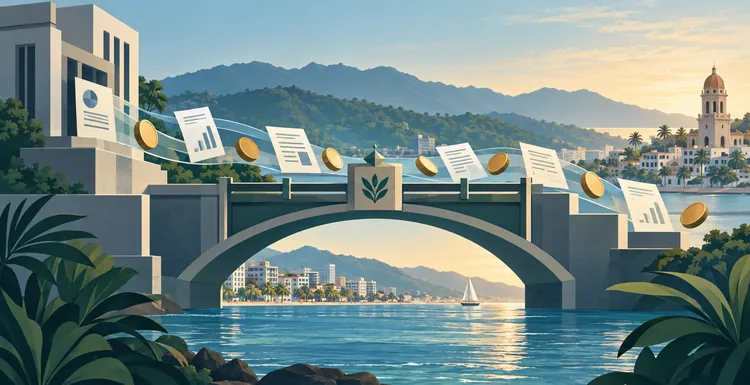






Puerto Vallarta's March schedule of 14 cruise arrivals, covered in our main piece, raises a question that port statistics alone do not answer: what is each arrival actually worth to the local economy, and how is that value distributed? The economic contribution of cruise tourism is frequently cited in aggregate terms by port authorities and tourism promoters, but the distribution of that contribution across different segments of the local economy is less often examined and is essential for understanding which businesses and workers are most exposed to schedule disruptions.

Puerto Vallarta's March schedule of 14 cruise arrivals, covered in our main piece, reflects its position within a specific regional maritime network: the Mexican Pacific cruise corridor, primarily served by vessels homeporting in Los Angeles, San Francisco, and Seattle. Understanding the structure of that network, how Puerto Vallarta relates to other ports on the circuit, and what drives cruise line decisions about itinerary composition provides context for assessing the port's medium-term recovery trajectory.

Puerto Vallarta's February 24 formalisation of its Diversity Council, covered in our main piece, takes place within a national landscape of highly uneven LGBTQ+ legal protections across Mexico's 32 states and thousands of municipalities. Understanding where Puerto Vallarta's reform sits on that spectrum, and what the distribution of protections looks like across the country, provides context for assessing the significance of the municipal action.

On February 24, Puerto Vallarta's City Council approved two structural reforms related to LGBTQ+ inclusion. The first formally establishes the Diversity Council, the Municipal Council for Sexual and Gender Diversity, as a regulated body with defined composition, operating rules, and a mandate to propose, review, and monitor public policies through a human rights lens. The second creates an annual citizen participation process to be held on May 17, the International Day Against Homophobia, Transphobia, and Biphobia, institutionalising a regular forum through which the LGBTQ+ community can engage with municipal government.

Puerto Vallarta is moving with speed and institutional coherence to restore economic activity following the operational disruptions of late February. The municipal government, state authorities, and the city's private sector have aligned behind a structured recovery programme combining direct financial relief for affected businesses, streamlined administrative procedures, and a coordinated promotional campaign aimed at protecting the destination's reputation as one of Mexico's premier tourism markets.

Good morning, Puerto Vallarta. As we approach the weekend, the city continues its steady path toward normalcy following the historic events of earlier this week. While federal security operations remain active in parts of Jalisco, the local atmosphere is turning back toward the art, music, and community spirit that defines our high season.

On select Friday evenings each winter, the Romantic Zone shifts into a walkable cultural corridor as galleries, studios, and small businesses open simultaneously for the South Side Shuffle, one of the city’s longest-running creative gatherings.

Rather than a one-night festival, the Shuffle operates as a seasonal rhythm, returning every two weeks and drawing steady foot traffic into one of Vallarta’s most artist-driven neighborhoods.

The weekly Art Walk in the historic center continues to serve as one of the most reliable cultural fixtures of the season. While headlines have recently focused on security narratives across the region, the city’s long-running gallery circuit is quietly reinforcing a different story, one of continuity, creativity, and community presence.

As Guadalajara prepares to host four high-octane matches for the FIFA World Cup 2026, a fascinating logistical trend has emerged among international spectators. Rather than battling the 100% occupancy and "event-surge" pricing of the host city, a new wave of "Tactical Travelers" is choosing Puerto Vallarta as their official match-base.

Here is the real-time insight into why the coast is becoming the World Cup’s most strategic "Satellite" hub

More Articles …