





Beyond the headline visitor count, the way people travel to Mexico is changing in ways that benefit hotel operators and destination planners. SiteMinder's analysis of more than 130 million global hotel reservations shows shifts in stay length, reservation lead times, and seasonal demand distribution that together describe a market maturing toward more stable, predictable demand patterns.

Mexico received 47.8 million international tourists in 2025, a 6 percent increase from the previous year, according to the Ministry of Tourism. Total international visitors including same-day border crossings reached 98.2 million, up 13.6 percent year over year. Tourism revenue exceeded $34.99 billion, a 6.2 percent increase. The country is now operating 6 percent above its 2019 pre-pandemic baseline, outperforming the United States and Canada, which have not yet returned to those levels.

Mexico's growth outpaced both the global average of 4 percent and the Americas regional average of 1 percent. A country growing at 6 percent in a region expanding at 1 percent is capturing market share, not merely keeping pace with the tide.

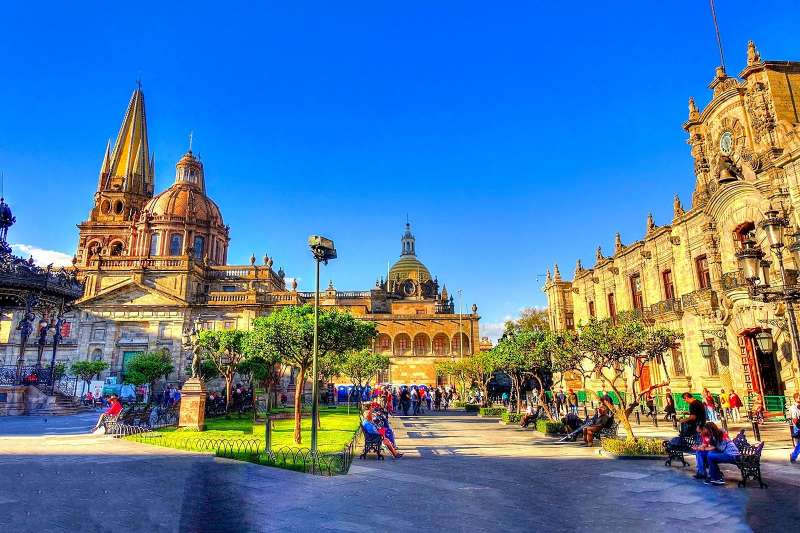
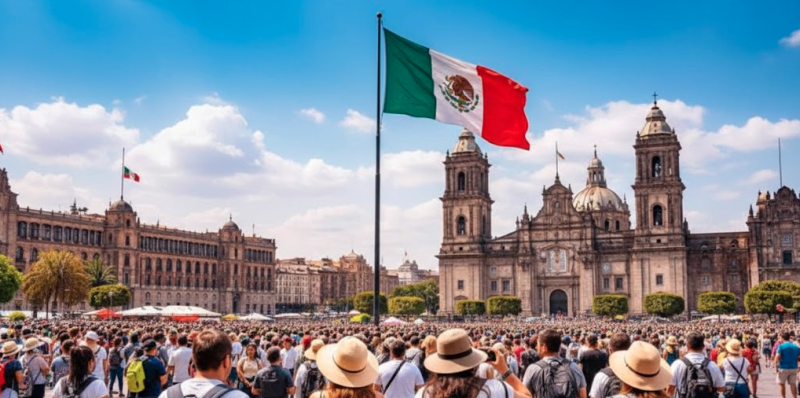
With FIFA's full confidence in Mexico as a World Cup host confirmed, covered in our main piece, the practical question for the hundreds of thousands of visitors planning to attend matches in Guadalajara and Mexico City is: how do you actually do this well? Both cities are world-class destinations with deep hospitality infrastructure, but they are also large, complex urban environments with their own logistics, culture, and rhythms. This guide addresses the essentials for first-time visitors planning around the tournament.

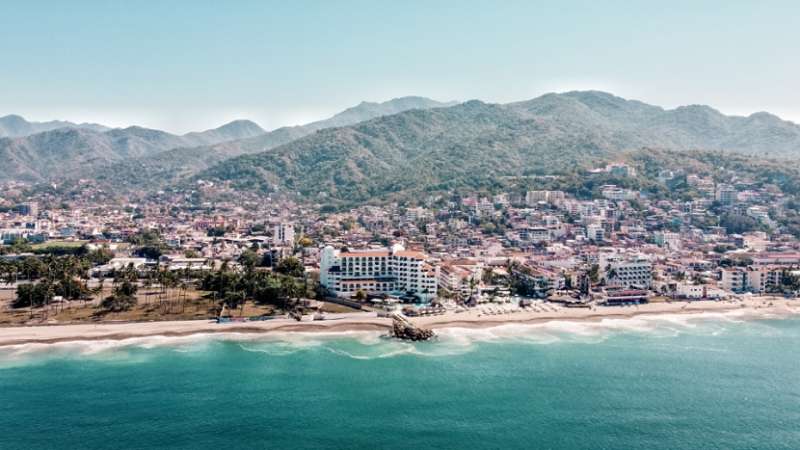
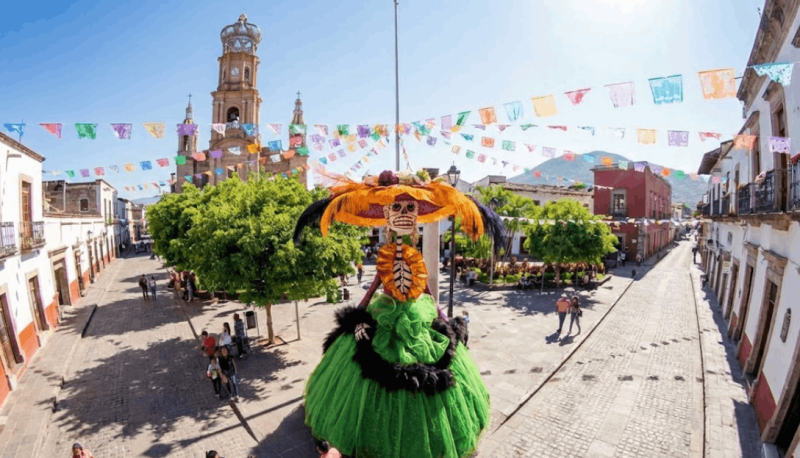
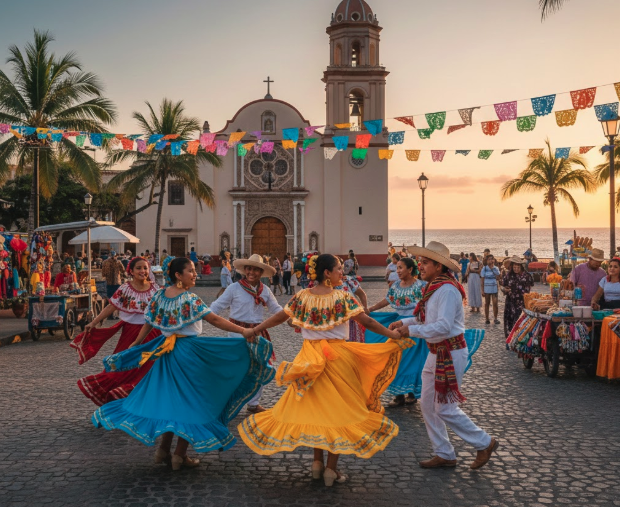
Puerto Vallarta’s winter high season is entering its final stretch, but the city’s cultural calendar shows little sign of slowing. From weekly gallery nights to weekend markets and waterfront gatherings, the rhythm of events continues to draw both visitors and residents into public spaces across the historic center and Romantic Zone.

Rather than tapering off after the holidays, many of the city’s signature cultural activities are scheduled to continue through late spring, reinforcing the destination’s identity as both a resort and an arts hub.

Security, diversification, and the race for the next generation of travelers

Mexico’s tourism strategy is entering a new phase. After years of security concerns, cartel violence headlines, and uneven regional growth, the country is repositioning itself not just as a beach destination, but as a diversified, digitally connected, and infrastructure-driven tourism powerhouse.

Rather than reacting to crises, authorities are attempting to redesign the system itself: from airports to digital nomads, from mass tourism to regional dispersal.

Here is how the shift is unfolding.

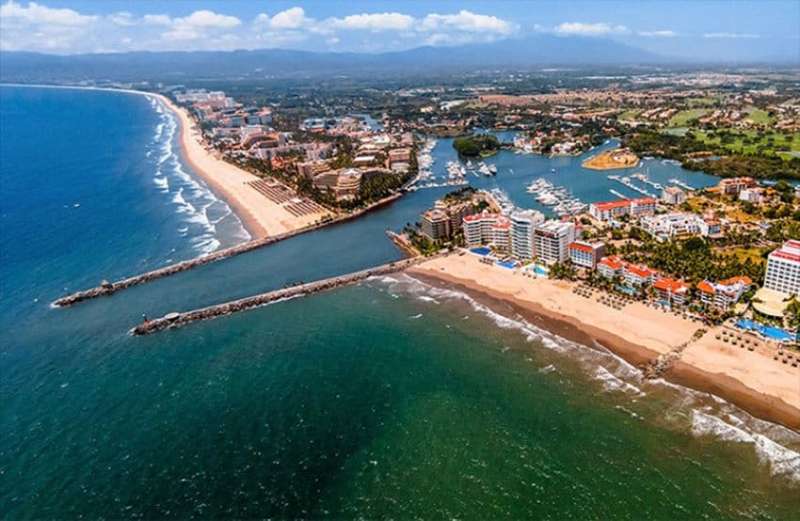
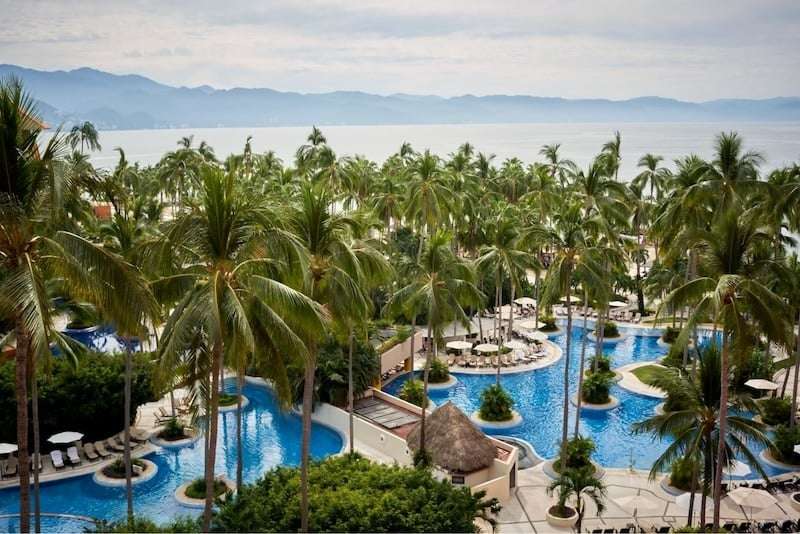
While the infrastructure at PVR Airport builds the foundation for Puerto Vallarta’s future, the hospitality sector is undergoing an equally radical transformation. The Marina Vallarta district, long known for its classic luxury and yacht-filled docks, is currently the epicenter of a "Premium All-Inclusive" revolution. At the heart of this shift is the multi-million dollar conversion of a local icon into The Westin Playa Vallarta, an All-Inclusive Resort.

As Puerto Vallarta spearheads Mexico’s record-breaking tourism surge this season, the sheer volume of arrivals - projected at over 300,000 - has transformed the city from a casual getaway into a high-stakes destination. With occupancy rates in the Zona Romántica and 5 de Diciembre neighborhoods currently hovering near 100%, travelers can no longer rely on spontaneity.

To navigate this unprecedented "renaissance" season, industry experts have identified a critical roadmap for the 2025-2026 holiday window. This guide details the essential 5-day infrastructure for an elite visitor experience and the tactical maneuvers required to bypass the crowds.

634108669 2187632332042692 6679566746514941417 n

The Insider Infrastructure: A 5-Day Tactical Itinerary

This schedule is designed to leverage the city’s unique geography, utilizing the "Sierra Madre Shield" to access secluded zones while the main Malecón reaches peak density.

Day 1: Arrival and Tactical Positioning

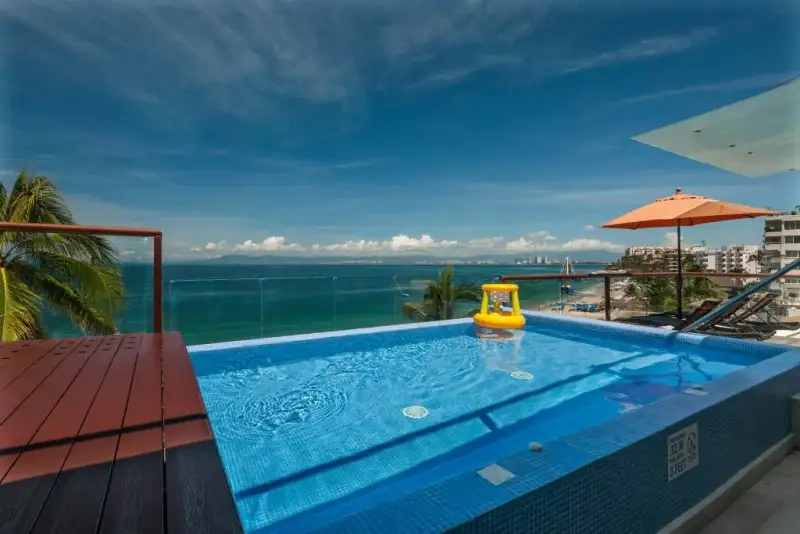
Afternoon: Logistics check-in at Lomas de Rodriguez. This elevated district offers a strategic vantage point over the Bay of Banderas, bypassing the noise of the lower hotel zones.

Evening: Orientation at the Zona Romántica. Secure a table at Marisma Specialty Tacos. In a season of 5-star dining, this specific street-side operation remains the gold standard for fresh Pacific seafood.

Day 2: The Southern Corridor Escape

Morning: Early departure to Boca de Tomatlán. As the main city beaches hit capacity, the jungle trail to Colomitos Beach offers a necessary reprieve. This emerald cove remains accessible only by foot or panga.

Lunch: Shoreline dining at Playa Las Animas. The recommendation for the 2025 season remains the Pescado Zarandeado at Los Conos, prepared with catch-of-the-day transparency.

Day 3: Architectural Heritage and Elevation

Afternoon: Historical reconnaissance in Gringo Gulch. The preservation of 19th-century architecture in this district provides a stark, tranquil contrast to the modernized resort corridors.

Sunset: Ascent to the Cerro de la Cruz Lookout. This is the primary location for a 360-degree topographical view of the Pacific without the commercial interference of beachfront bars.

Day 4: The Northern Outlier – San Pancho

Full Day: Deployment to San Francisco (San Pancho). As Sayulita experiences peak commercialization this year, San Pancho has emerged as the preferred "insider" alternative. It maintains a lower density and a more authentic artistic demographic.

Day 5: Marine Logistics and Grand Finale

Morning: Eco-centric whale watching. With gray and humpback migrations peaking in early 2026, small-vessel tours like Ocean Friendly are prioritized to ensure proximity without the disruption caused by larger party fleets.

Dinner: Culinary closing at Café des Artistes. Given the projected 2.175 billion peso economic impact this season, the "Enchanted Garden" seating must be confirmed weeks in advance.

5 Critical Planning Mandates for the 2025-2026 Surge

Data from the Puerto Vallarta International Airport (PVR) and local hospitality unions suggest that this season requires a different operational approach than previous years.

  1. The 21-Day Reservation Lead: Total revenue projections indicate that top-tier gastronomy is no longer "walk-in" accessible. Experts recommend a minimum 3-week lead time for any establishment in the top 10% of TripAdvisor or Michelin-tier rankings.

  2. Digital Transit Advantage: While traditional taxis are abundant, Uber remains the superior choice for the 2026 season due to GPS-backed pricing and the ability to bypass the manual negotiation common during holiday surges.

  3. Liquidity Management: Despite the city’s digital modernization, the most authentic "hidden gems" in neighborhoods like 5 de Diciembre remain cash-only. Visitors are advised to maintain a reserve of Pesos for local markets and jungle transit.

  4. Real-Time Climate Awareness: The local microclimate remains exceptionally stable. While Northern Mexico may face erratic winter fronts this year, the Bay of Banderas is maintaining a consistent 24°C to 30°C, negating the need for heavy winter attire.

  5. The Blue Hour Protocol: To capture the iconic architecture of the Parish of Our Lady of Guadalupe, photographers should utilize the "Blue Hour" immediately following sunset. This is when the crown’s illumination system is synchronized with the city’s new 2026 energy-efficient lighting grid.

More Articles …