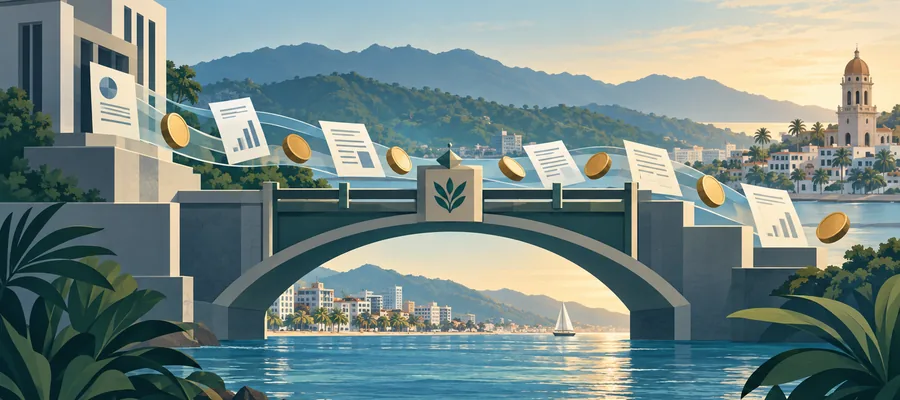









Puerto Vallarta's Historic Center serves multiple simultaneous functions: it is a commercial and residential district for the city's residents, a tourism destination in its own right, and the primary carrier of the city's architectural identity. These functions create overlapping pressures on the built environment that a facade restoration programme addresses at one level while leaving others unresolved.
Tourism Pressure on the Built Environment
The commercial success of Puerto Vallarta's Historic Center as a tourism destination creates economic pressure on its physical fabric. High visitor volumes increase wear on public infrastructure: pavements, street furniture, drainage systems, and the facades of buildings fronting the most-trafficked streets. The revenue generated by the tourism economy in the area does not automatically flow back into maintenance budgets at the rate that wear accrues.
Property values in the Historic Center have also risen with the city's tourism growth. Rising values create incentive for owners to convert residential uses to short-term rentals and commercial operations. This conversion changes the demographic composition of the area: a district with fewer permanent residents has less social infrastructure, and the community fabric that supports neighbourhood-level maintenance practices becomes harder to sustain.
The Enchulemos programme addresses the visible outcome of these pressures, deteriorating building exteriors, without changing the underlying conditions that produce deterioration.
What Maintenance Gaps Look Like Beyond the Facade
Facade condition is one indicator of a building's maintenance state. It is the most visible indicator, which is why government renovation programmes target it. Behind maintained facades, buildings in historic districts frequently carry deferred maintenance in structural elements, plumbing and electrical systems, and interior spaces.
In Puerto Vallarta's Historic Center, where many buildings are older construction adapted to contemporary commercial and residential uses, the gap between facade presentation and interior condition can be significant. A building whose exterior has been freshly painted through Enchulemos may simultaneously have drainage issues, outdated wiring, or structural elements requiring attention that the programme does not cover.
This is not a criticism of the programme's design: facade restoration serves a legitimate and documentable public interest in the visual quality of the public realm. It is a description of the scope mismatch between what a facade programme can achieve and the full maintenance challenge that historic centre buildings present.
Preservation as Ongoing Practice
Jesús Palacio Bernal of the Citizen Council described the Enchulemos work as a first step rather than a completed project, a framing that reflects how preservation specialists typically describe historic district management. The visual quality achieved by a facade restoration programme degrades over time without ongoing maintenance. Paint weathers. Buildings continue to be modified. New commercial uses introduce signage and interventions that alter the streetscape the restoration created.
Sustaining the Historic Center's character requires a continuous programme rather than a one-time intervention. The Enchulemos completion provides a baseline from which that continuous management can operate, but the baseline requires active upkeep rather than passive preservation.
Frequently Asked Questions (FAQs)
Q: What multiple roles does Puerto Vallarta's Historic Center serve?
A: The Historic Center functions simultaneously as a residential and commercial district for city residents, a tourism destination in its own right, and the primary carrier of the city's architectural identity. These overlapping functions create different and sometimes competing pressures on the area's built environment and public spaces.
Q: How does tourism pressure affect building maintenance in the Historic Center?
A: High visitor volumes increase wear on public infrastructure and building facades. Rising property values driven by tourism create incentive for owners to convert residential uses to short-term rentals and commercial operations, reducing the permanent resident population and the community fabric that supports neighbourhood-level maintenance practices.
Q: Why does a renovated facade not fully solve a building's maintenance condition?
A: Facade condition is the most visible indicator of a building's maintenance state but not the most complete one. Behind renovated exteriors, buildings often carry deferred maintenance in structural elements, plumbing, electrical systems, and interior spaces. Enchulemos addresses the public realm's visual quality without covering the interior and structural maintenance challenges that many Historic Center buildings face.
Q: What did Jesús Palacio Bernal mean by describing Enchulemos as a first step?
A: His framing reflects the standard preservation understanding that maintaining a historic district's visual quality requires ongoing management rather than one-time intervention. Paint weathers, buildings get modified, and commercial signage alters the streetscape over time. A facade restoration establishes a baseline that requires continuous upkeep to sustain rather than remaining static after the initial work.
Q: What is the Citizen Council of the Historic Center?
A: The Citizen Council of the Historic Center is a community organisation representing residents and property owners in Puerto Vallarta's Historic Center. Jesús Palacio Bernal, its president, also heads the Union of Urban Property Owners. The council participated in the Enchulemos review walkthrough and represents the community voice in ongoing discussions about the area's management and development.