







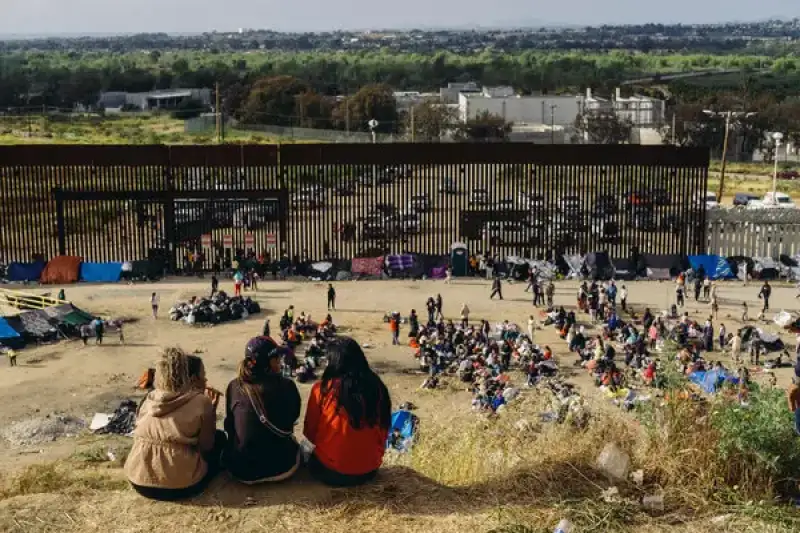
US Customs and Border Protection data shows a sharp decline in encounters at the southern border following Donald Trump's return to the presidency in January 2026. The decline began in the weeks before the inauguration as news of the incoming administration's enforcement posture spread among migrant populations and smuggling networks in Central America and Mexico.
The Numbers Before and After January
Border encounter figures, which measure the number of migrants stopped or encountered by CBP at or between ports of entry, peaked in 2023 and declined through 2024. The decline accelerated sharply in late 2024 and continued into early 2026 as the new administration's deportation operations and border enforcement posture became operational.
Monthly encounter figures in the weeks following inauguration reached levels not seen since 2020. The reduction reflects a combination of deterrence effects among potential migrants who chose not to attempt the crossing, disruption to smuggling networks that adjusted their operations in response to heightened enforcement, and the practical impact of deportation flights that returned migrants to their countries of origin more rapidly than previous processing cycles.
Veracruz Deputy Government Secretary Pozos described the March truck discovery as the first major encounter in months in his state, consistent with the broader decline in northbound migration through Mexico's transit corridors.
Why the Drop Does Not Mean Migration Has Stopped
A significant reduction in CBP encounters does not mean migration has ceased. It means that the observable migration flow, the portion that results in encounters with US or Mexican enforcement, has decreased. Some portion of the reduction reflects successful clandestine crossings that did not result in an encounter. Another portion reflects migrants remaining in Mexico rather than attempting the US border.
The economic and security conditions that drive migration from Central America, Honduras, Guatemala, El Salvador, and increasingly Venezuela and other countries, have not changed materially. Poverty, gang violence, drought-related agricultural collapse, and lack of formal employment remain the primary push factors. A decline in crossing attempts reflects a shift in risk calculation rather than a change in the conditions that generate migration in the first place.
Historically, periods of high enforcement at the US border have produced temporary reductions in encounter numbers followed by adaptation: new routes, new methods, and resumed flows once smuggling networks have adjusted to the changed enforcement environment.
Mexico's Position in This Shift
Mexico's government under President Claudia Sheinbaum has maintained its own enforcement operations on northbound migration routes, partially in response to US pressure and partially as an expression of its own migration management priorities. The number of migrants detained by Mexican authorities has also declined as northbound flows decreased.
The Veracruz discovery, if it does represent an early sign of resumed migration activity as Pozos suggested, places it at the beginning of what could be a recovery period in migration flows. That recovery would occur against a backdrop of sustained US enforcement pressure and a Mexican government managing its migration posture partly in relation to the US-Mexico relationship's other dimensions, including trade and the ongoing USMCA review.
Frequently Asked Questions (FAQs)
Q: How much has migration to the US declined since Trump's return to office?
A: US CBP data shows a sharp decline in border encounters following Donald Trump's return to the presidency in January 2026. Monthly encounter figures in the weeks after inauguration reached levels not seen since 2020. The decline began before inauguration as the incoming administration's enforcement posture became known among migrant populations and smuggling networks.
Q: Why has northbound migration through Mexico declined?
A: The decline reflects a combination of deterrence effects among potential migrants reassessing crossing risk, disruption to smuggling networks adjusting to heightened enforcement, and the practical impact of deportation flights returning migrants more rapidly than previous processing cycles. The underlying economic and security conditions driving migration have not materially changed.
Q: Does a decline in CBP encounters mean migration has stopped?
A: No. Reduced encounters measure the observable portion of migration that results in enforcement contact. Some reduction reflects successful clandestine crossings. Some reflects migrants choosing to remain in Mexico rather than attempt the US border. The push factors driving migration, including poverty, gang violence, and lack of employment in Central America, remain in place.
Q: What does Mexico's government do about northbound migration?
A: Mexico's government under President Claudia Sheinbaum has maintained enforcement operations on northbound migration routes, partially in response to US pressure and partially as its own migration management policy. The number of migrants detained by Mexican authorities has also declined alongside the reduced northbound flows.
Q: Why did Veracruz's deputy government secretary describe the truck discovery as significant?
A: José Manuel Pozos described it as the first such major encounter in months in Veracruz, framing it as a potential indicator of resumed migration activity following the sharp decline since Trump's return to office. If accurate, it would represent an early sign that migration flows are beginning to recover as smuggling networks adapt to the changed enforcement environment.