







Facade restoration programmes in Mexican historic districts operate within a layered regulatory and institutional environment. Federal heritage protection, state historic preservation guidelines, and municipal urban development rules all apply simultaneously in designated historic zones. Coordinating interventions across hundreds of individual privately-owned buildings requires mechanisms that go beyond what any single level of government can manage alone.
INAH and Federal Historic Zone Designations
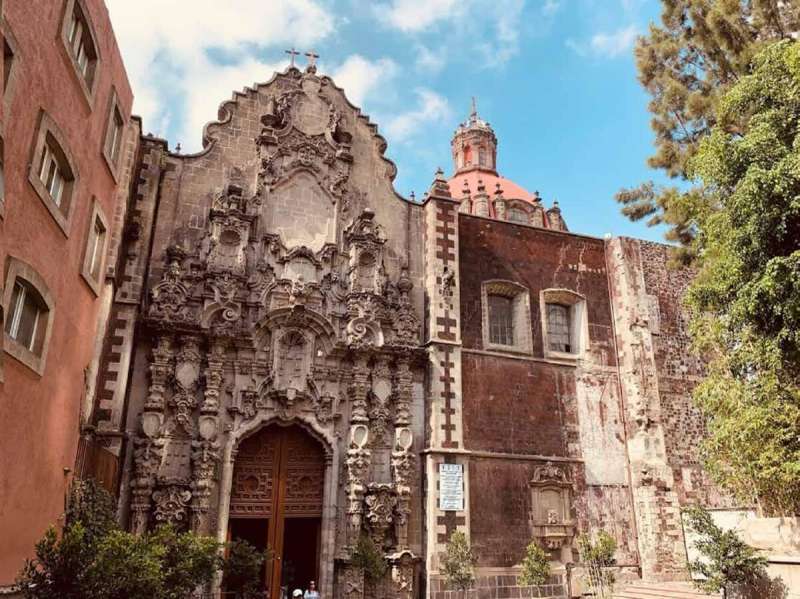
Mexico's National Institute of Anthropology and History, known as INAH, has authority over designated zones of historic and cultural significance. In cities with federal historic zone designations, any intervention to the exterior of a building requires INAH approval to ensure the work is compatible with the zone's protected architectural character.
Puerto Vallarta's Historic Center has its own heritage significance, though it differs from the pre-Hispanic and colonial heritage that dominates INAH's federal zone designations in cities like Oaxaca, Guanajuato, or Mexico City. The area's architecture reflects primarily the late nineteenth and early twentieth century construction that gave Puerto Vallarta its distinctive whitewashed, tile-roofed character. State and municipal heritage protections govern its preservation more than federal INAH authority.
This regulatory distinction affects how quickly and at what cost interventions can be approved. Federal INAH zones require multi-stage approval processes. State and municipal frameworks can operate more quickly, which explains the scale at which Enchulemos was able to complete 363 facades within a manageable project timeline.
Coordinating With Private Property Owners
The majority of buildings in any commercial historic center are privately owned. A facade restoration programme targeting hundreds of buildings must therefore secure the participation of hundreds of individual property owners, each with their own financial situation, maintenance priorities, and interest in the programme.
Standard mechanisms for securing participation include:
- Direct subsidy: the government pays for materials and labour, the owner provides access
- Cost-sharing: the owner contributes a portion, the programme covers the rest
- Regulatory incentives: participation in the programme provides approval pathways for other building works
- Community pressure: neighbourhood associations and citizen councils create social expectation of participation
Enchulemos used community participation as a coordination mechanism alongside the state-municipal partnership structure. Gabriel Altamirano Hernández of the Corazón Urbano Foundation's involvement suggests that civil society organisations played a liaison role between the programme administrators and individual property owners.
Standardised Palettes and Pre-Approved Treatments
Completing 363 facades in a defined project period requires standardised materials, a coordinated contractor pool, and an approval process that does not create bottlenecks at the individual building level. Large-scale programmes typically use pre-approved paint colours and surface treatments consistent across the zone, allowing buildings to be processed without bespoke design decisions for each one.
Pre-approval of a defined palette also accelerates the permit process. Rather than evaluating each building's proposed colours individually against heritage guidelines, authorities can confirm compliance with a single decision that applies across the entire project scope.
Consistency Versus Visual Diversity
The standardisation that makes scale operationally possible is also a potential limitation. A uniform palette applied across hundreds of buildings creates visual consistency but may flatten the individual variation that gives historic districts their organic character.
How Enchulemos balanced standardisation against preservation of visual diversity is reflected in the on-the-ground results. The review walkthrough by officials and civil society representatives was partly intended to assess that balance directly rather than rely on the headline figure of completed facades.
Frequently Asked Questions (FAQs)
Q: What role does INAH play in building restorations in Mexican historic zones?
A: INAH, Mexico's National Institute of Anthropology and History, has authority over designated federal historic zones and requires approval for exterior interventions to ensure compatibility with the zone's protected architectural character. Puerto Vallarta's Historic Center falls primarily under state and municipal heritage protections rather than federal INAH authority, which allows for faster approval processes and explains the scale at which Enchulemos operated.
Q: How do facade programmes secure participation from private property owners?
A: Standard mechanisms include direct government subsidy covering materials and labour, cost-sharing arrangements, regulatory incentives that link participation to approval pathways for other works, and community pressure through neighbourhood associations. Enchulemos used a combination of the state-municipal partnership structure and community participation coordinated through civil society organisations.
Q: Why can Enchulemos operate faster than federal INAH-regulated programmes?
A: Federal INAH zone designations require multi-stage approval processes that add time and cost to each intervention. Puerto Vallarta's Historic Center falls under state and municipal heritage frameworks that can operate more quickly. This regulatory distinction is a key factor in how the programme completed 363 facades within a defined project timeline.
Q: What is a standardised colour palette in historic district restoration?
A: Large-scale facade programmes typically pre-approve a set of paint colours and surface treatments architecturally consistent with the zone's character. This allows individual buildings to be processed without bespoke design decisions for each one, making scale operationally possible. The tradeoff is that standardisation can reduce the individual visual variation that contributes to a historic district's organic character.
Q: What does community participation mean in the context of Enchulemos?
A: Community participation in Enchulemos involved coordination between civil society organisations, including the Corazón Urbano Foundation and the Citizen Council of the Historic Center, and individual property owners. These organisations acted as liaison between programme administrators and private building owners, facilitating the access and cooperation needed to complete work across 363 privately-owned buildings.