






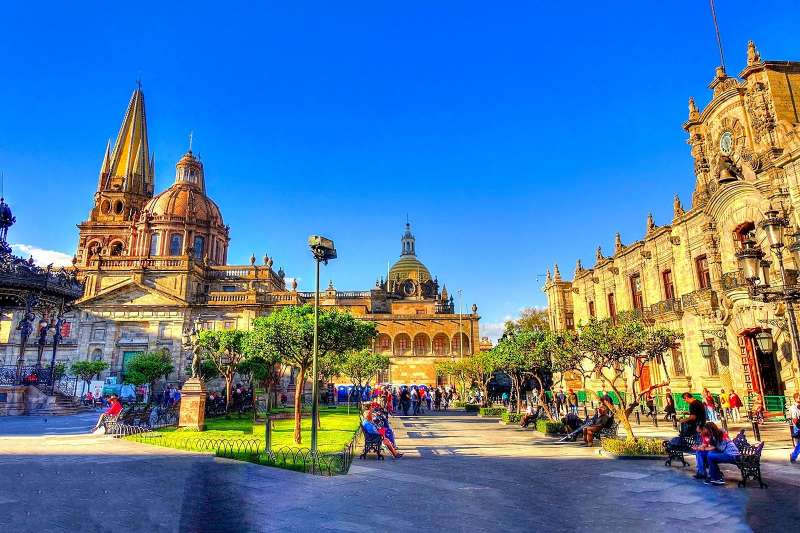
With FIFA's full confidence in Mexico as a World Cup host confirmed, covered in our main piece, the practical question for the hundreds of thousands of visitors planning to attend matches in Guadalajara and Mexico City is: how do you actually do this well? Both cities are world-class destinations with deep hospitality infrastructure, but they are also large, complex urban environments with their own logistics, culture, and rhythms. This guide addresses the essentials for first-time visitors planning around the tournament.
Guadalajara, Mexico's Second City and Its World Cup Heartbeat
Guadalajara is Mexico's second-largest metropolitan area and the capital of Jalisco state, home to tequila, mariachi, and one of Mexico's most passionate football cultures. The city's Estadio Akron, located in the Zapopan district northwest of the city centre, is a modern 46,000-seat venue with strong transport links to the broader metropolitan area. Visitors attending matches at Estadio Akron should plan accommodation either in central Guadalajara, well-served by the city's light rail system, or in Zapopan itself, which offers proximity to the stadium.
Guadalajara's historic centre, including the Plaza de Armas, the Guadalajara Cathedral, and the Hospicio Cabañas (a UNESCO World Heritage Site), is genuinely worth exploring. The city's restaurant scene, particularly around the Chapultepec and Américas neighbourhoods, is among Mexico's best, with a strong local food culture centred on birria, tortas ahogadas, and regional Jalisco cuisine that visitors will not find at the same quality anywhere else.
Getting around Guadalajara during World Cup match periods will require planning. The city's Mi Tren light rail system connects central Guadalajara to key zones, and additional shuttle services are expected between the city centre and Estadio Akron on match days. Ride-sharing services operate widely throughout the metropolitan area. Visitors should allow significant extra time for ground transport on match days and avoid driving rental cars to the stadium, where parking is limited.
Mexico City, The Azteca, the Altitude, and the City That Never Stops
Mexico City is one of the world's great megalopolises, a city of more than 20 million people with an extraordinary concentration of museums, restaurants, markets, parks, and neighbourhoods that reward exploration. Estadio Azteca is located in the south of the city in the Coyoacán-adjacent Xochimilco district, accessible by the city's Metro system (Line 2 to General Anaya station, then a short taxi or bus ride) or by taxi and ride-sharing from across the metropolitan area.
Visitors should be aware of Mexico City's altitude: at approximately 2,240 metres above sea level, the city is significantly higher than most major international cities. First-time visitors sometimes experience mild altitude-related symptoms, headaches, fatigue, shortness of breath, in the first 24 to 48 hours. Staying hydrated, avoiding alcohol in excess on arrival days, and allowing time to acclimatise before match day will make the experience considerably more comfortable.
The Roma and Condesa neighbourhoods, adjacent to each other in the western part of the city, are the most established bases for international visitors, with a concentration of hotels, restaurants, cafés, and bars within walking distance of each other. Polanco offers a more upscale option with luxury hotel brands and high-end dining. Both areas are well-connected to the Estadio Azteca by taxi and ride-sharing, though match-day traffic should be factored into travel time estimates.
Practical Essentials for Both Cities
Currency: The Mexican peso is the local currency. US dollars are widely accepted in tourist areas but at less favourable rates than using ATMs or exchanging at banks. Most major hotels, restaurants, and shops accept international credit and debit cards. Carry some cash for street food, markets, and smaller venues.
Language: Spanish is the primary language in both cities. In international hotels, major restaurants, and tourist-facing businesses, English is widely spoken. Away from tourist zones, English proficiency is less consistent, and a basic knowledge of Spanish words and phrases will significantly improve the experience. Translation apps are useful supplements.
Safety and practical tips: Both Guadalajara and Mexico City are large urban environments that reward attentiveness. Keeping valuables out of view, using established taxi services or ride-sharing apps rather than hailing taxis on the street, and staying aware of surroundings in busy areas are standard precautions that apply in major cities worldwide. Both cities have extensive tourist infrastructure and millions of international visitors annually.
Frequently Asked Questions
Q: Do I need a visa to visit Mexico for the World Cup?
A: Visa requirements for Mexico vary by nationality. Citizens of the United States, Canada, the European Union, the United Kingdom, Australia, and many other countries can enter Mexico visa-free for stays of up to 180 days as tourists. Visitors should verify current requirements with Mexico's official immigration authority (INM) or their home country's foreign ministry well in advance of travel.
Q: Where should I stay in Guadalajara for the World Cup?
A: Central Guadalajara, particularly around the historic centre and the Chapultepec corridor, offers the best combination of accommodation options, restaurants, and public transport access to Estadio Akron. Zapopan, the municipality where the stadium is located, offers proximity to the venue. Booking accommodation well in advance is essential, Guadalajara's hotel capacity will be stretched during match weekends.
Q: How do I get from Mexico City's airport to the World Cup venues?
A: Mexico City has two airports: Benito Juárez International Airport (AICM), the established hub, and Felipe Ángeles International Airport (AIFA), the newer facility northeast of the city. From AICM, the Metro (Line 5 to Terminal Aérea) and taxis are the primary options. From AIFA, a dedicated rail service connects to the Buenavista terminal in central Mexico City. From either, Estadio Azteca is best reached by taxi or ride-sharing.
Q: What is the best time to book flights and accommodation for Mexico's World Cup matches?
A: For group-stage matches in June 2026, accommodation in Guadalajara and Mexico City should be booked as early as possible, ideally 6 to 12 months in advance, as the best options at reasonable rates will fill quickly once the match schedule and group assignments are confirmed. Flight prices tend to peak in the weeks immediately before major tournament phases and are generally more reasonable when booked well in advance.
Q: What should I eat and drink in Guadalajara and Mexico City during the World Cup?
A: In Guadalajara, the essential local experience is birria, slow-cooked spiced meat served in a consommé broth, along with tortas ahogadas (a chilli-soaked sandwich), tequila from the nearby Jalisco highlands, and a craft beer scene that has expanded significantly in recent years. In Mexico City, the options are almost limitless, but tacos al pastor, tamales, chiles en nogada (if in season), and mezcal are among the capital's most celebrated culinary offerings.