







FOEDEN stands for the State Natural Disaster Fund, a Jalisco state government mechanism for channelling financial aid to individuals and communities affected by natural disasters. The fund operates as a complement to the federal FONDEN system, addressing disaster impacts at the state and municipal level when federal activation criteria are not met or when federal resources are insufficient.
How FOEDEN Works
FOEDEN is activated following a natural disaster event, typically after a formal declaration by the state government acknowledging the disaster's impact. The declaration triggers an assessment process in which affected households register their losses with municipal authorities.
The assessment produces a list of eligible beneficiaries and the level of aid each household qualifies for. Aid is calculated based on documented losses rather than a flat payment. Factors typically considered include:
- Damage to household goods and personal property
- Damage to housing structure
- Loss of productive assets for small farmers or informal workers
Once the beneficiary list is approved at the state level, municipalities are responsible for coordinating distribution. Distribution typically takes the form of direct cheque payments or bank transfers, depending on the municipality's logistical capacity and the beneficiary's banking access.
The Gap Between Event and Distribution
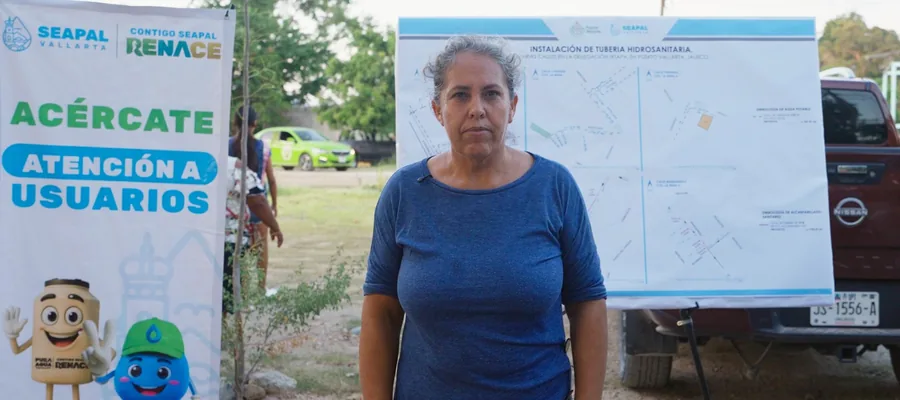
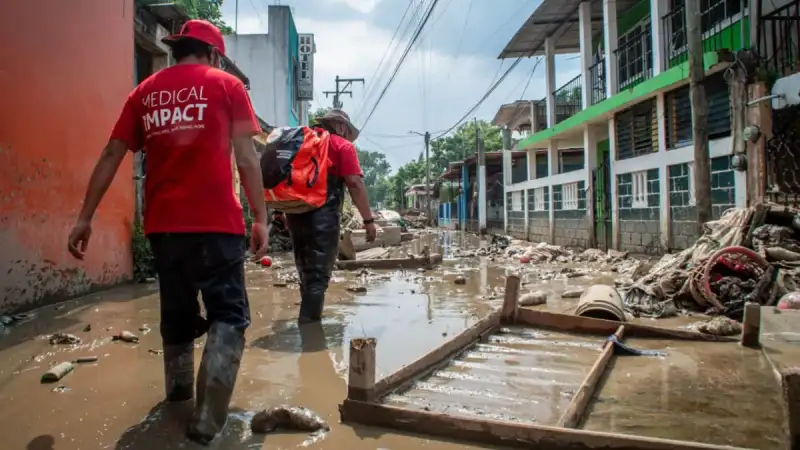
The most common point of friction in disaster aid systems is the gap between the event itself and the arrival of funds. The Las Mojoneras announcement illustrates this pattern. The flooding that generated the FOEDEN claims occurred prior to the mayor's visit in March 2026, meaning the assessment and approval process has been running for some period before distribution is imminent.
This gap is inherent to the administrative structure. Assessment requires time, documentation, and inter-agency coordination between municipal authorities, the state civil protection office, and the fund administrators. Errors in registration or missing documentation create additional delays for individual households.
From the recipient household's perspective, the gap can be financially damaging, particularly for families whose damage included productive assets or housing that cannot be repaired without the aid money. The municipal government's role in accelerating documentation and registration is therefore meaningful beyond its bureaucratic function.
FOEDEN Versus FONDEN
Mexico's federal natural disaster fund, FONDEN, operated at a larger scale and was formally dissolved in 2021 as part of a budget restructuring. Its functions were partially absorbed into a new emergency fund managed by the Ministry of Finance. This restructuring left state-level funds like FOEDEN with a larger relative role in disaster response for events that do not qualify for federal emergency declarations.
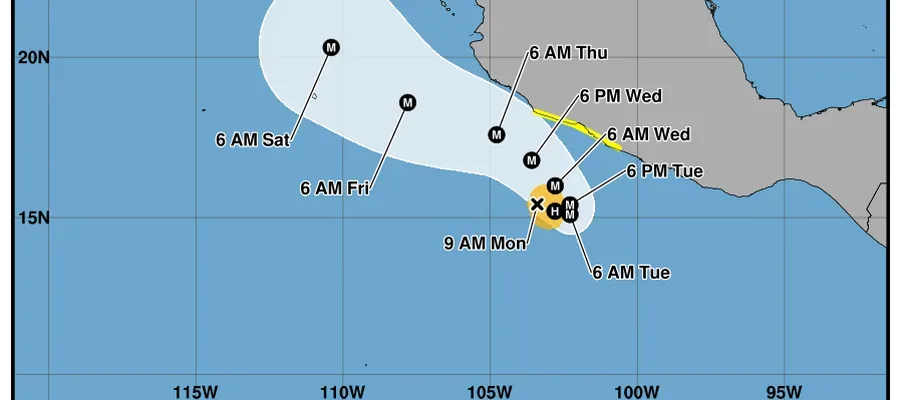
The Jalisco floods that affected Las Mojoneras appear to fall in this category. They are significant enough to generate FOEDEN claims but below the threshold for federal emergency mobilisation. This is a common situation for localised weather events affecting specific municipalities within a larger state. FOEDEN's existence as a state-level mechanism is specifically designed to address this gap in the coverage architecture.
Frequently Asked Questions (FAQs)
Q: What is FOEDEN?
A: FOEDEN is the State Natural Disaster Fund of Jalisco, a state government mechanism for distributing financial aid to individuals and communities affected by natural disasters. It operates as a complement to federal disaster funds, addressing impacts at the state and municipal level when federal activation criteria are not met or when federal resources do not cover local damage.
Q: How does a household qualify for FOEDEN aid?
A: Following a formal disaster declaration by the Jalisco state government, affected households register their losses with municipal authorities. An assessment process documents eligible losses including household goods, housing structure damage, and productive asset losses. Approved beneficiaries receive aid calculated based on documented losses rather than a flat payment.
Q: Why is there often a delay between a disaster and the distribution of FOEDEN aid?
A: The assessment and approval process requires time, documentation, and coordination between municipal authorities, the state civil protection office, and fund administrators. The gap between the disaster event and distribution is inherent to this administrative structure. Individual households with incomplete documentation face additional delays beyond the standard processing timeline.
Q: What happened to Mexico's federal disaster fund FONDEN?
A: FONDEN, Mexico's federal natural disaster fund, was formally dissolved in 2021 as part of a federal budget restructuring. Its functions were partially absorbed into a new emergency fund managed by the Ministry of Finance. The dissolution increased the relative importance of state-level funds like FOEDEN for disaster events that do not qualify for federal emergency declarations.
Q: What types of damage does FOEDEN cover?
A: FOEDEN covers losses documented in the post-disaster assessment, typically including damage to household goods and personal property, damage to housing structures, and loss of productive assets for small farmers or informal workers. The assessment determines the level of aid each household qualifies for based on documented losses rather than applying a uniform payment.