







The producers who make raicilla in the mountain municipalities of Jalisco operate within a rural economic context that is fundamentally different from the world of large-scale agave spirits production. Understanding that context explains why cultural preservation arguments in the raicilla sector are inseparable from economic ones.
The Rural Communities Behind the Spirit
The Sierra Occidental municipalities that form the raicilla production zone, including Mascota, Talpa de Allende, and Cabo Corrientes, are geographically isolated relative to the state's urban centres. Road access is limited in parts of the sierra. These communities have historically depended on small-scale agriculture, cattle ranching, and artisanal production for their economic base.
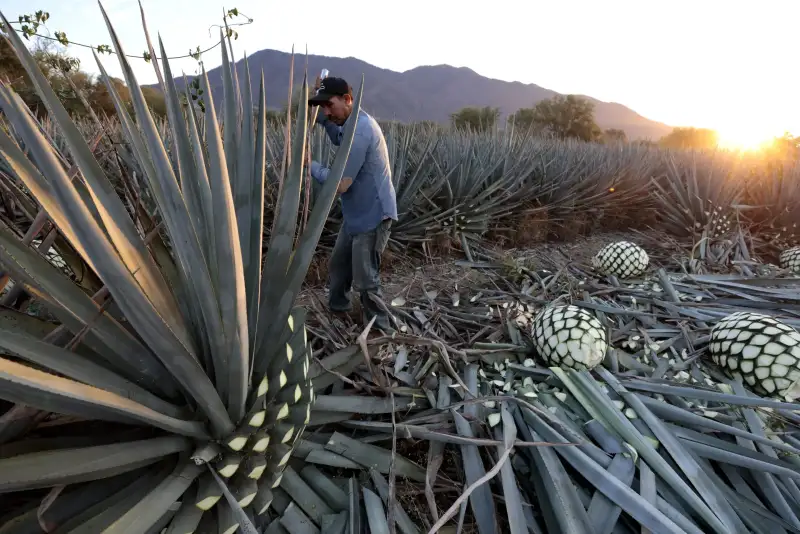
Agave cultivation and raicilla production are multi-generational activities in many of these communities. The knowledge required is not written down in manuals. It is transmitted through direct apprenticeship within families and between experienced producers and the next generation. This knowledge covers agave identification, harvest timing, traditional oven management, and how to read fermentation and distillation by observation.
When a production lineage ends because younger generations leave for urban employment, that knowledge does not transfer easily. This is the specific cultural preservation risk that producers and advocates describe when discussing the importance of maintaining traditional raicilla production.
What Denomination Status Changes
The 2019 Denomination of Origin changed the economic equation for raicilla producers in several concrete ways:
- It created a geographic perimeter that prevents producers outside the zone from using the raicilla name, protecting the value of geographic origin.
- It established quality standards that give buyers confidence in what they are purchasing.
- It created the Mexican Council for the Promotion of Raicilla to coordinate promotion and represent the category in regulatory discussions.
The commercial value of a Denomination is not automatic, however. It requires active category marketing to create consumer demand. It also requires consistent quality enforcement to maintain the credibility of the designation. Mezcal's experience after 1994 shows both possibilities: the designation has supported genuine artisanal producers, but it has also brought industrialisation and quality debates that have complicated the category's identity.
Festivals as Economic and Cultural Infrastructure
Events like the Dama Juana festival play a specific economic role for producing communities. They create a direct retail and hospitality channel. Small producers who lack mainstream distribution networks can sell directly to consumers or connect with buyers they would not otherwise reach.
The indirect effect is equally important. Festivals generate media coverage and word-of-mouth that builds category awareness beyond the event's direct attendees. A journalist, importer, or spirits enthusiast who attends and writes about it extends that awareness further. Over time, accumulated exposure contributes to the demand growth that makes production economically sustainable for the sierra communities where raicilla originates.
This is why the Vallarta Institute of Culture's decision to visit Mascota producers before the festival matters. Connecting the festival's content to specific producers and their practices grounds the event in something real. That improves both its cultural credibility and its usefulness as a marketing channel for the communities themselves.
Frequently Asked Questions (FAQs)
Q: Which municipalities in Jalisco produce raicilla?
A: Raicilla production is concentrated in Sierra Occidental municipalities including Mascota, Talpa de Allende, and Cabo Corrientes, among others defined in the 2019 Denomination of Origin. The zone spans both highland sierra areas and parts of the coastal lowlands, with each zone using different agave species.
Q: Why is traditional knowledge transmission a concern in artisanal spirit production?
A: The knowledge required to produce traditional raicilla is transmitted through direct apprenticeship, not documentation. It covers agave identification, harvest timing, oven management, and reading fermentation and distillation by observation. When younger generations leave for urban employment, that knowledge leaves with them and is not easily recovered.
Q: How does a Denomination of Origin protect producers economically?
A: A Denomination of Origin creates a geographic perimeter preventing outside producers from using the product name, establishes quality standards that build buyer confidence, and creates an institutional body to coordinate promotion. These protections translate into pricing power for legitimate producers who can charge premiums associated with the designation.
Q: What risk does the industrialisation of mezcal pose as a precedent for raicilla?
A: After mezcal's 1994 Denomination, the category experienced both artisanal growth and increasing industrialisation, creating ongoing quality and identity debates. The same tension is latent in raicilla. How the Mexican Council for the Promotion of Raicilla manages the balance between accessibility and authenticity will determine whether the Denomination benefits original producing communities or dilutes what makes the spirit distinctive.
Q: How do festivals like Dama Juana support small raicilla producers economically?
A: Festivals create a direct retail channel for small producers who lack mainstream distribution networks. They also generate media coverage and word-of-mouth that builds category awareness beyond the event's direct attendees. Over time, this accumulated exposure contributes to the demand growth that makes raicilla production economically viable for the rural sierra communities where it originates.