







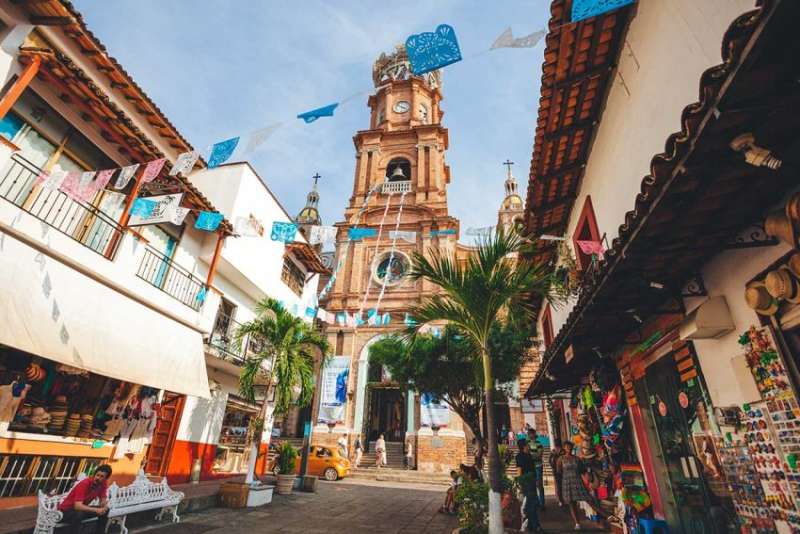
Semana Santa and the following Pascua week represent the highest-demand domestic tourism period in the Mexican hotel calendar. For Puerto Vallarta, a destination that draws heavily from the Guadalajara metropolitan area and central Mexico, the two-week Easter season routinely produces the highest occupancy figures of the year.
Why Easter Outperforms December in Domestic Terms
Mexico's hotel sector data shows December as the year's busiest overall month by international visitor volume. For domestic demand, the Easter period competes closely with December and, in beach destinations, frequently exceeds it.
The dynamic reflects the structure of Mexican vacation patterns. School holidays at Easter are a national fixed point in the calendar. Families with school-age children are concentrated into a defined two-week window rather than spread across a longer period as in the year-end season. Beach destinations are the primary beneficiary of this concentrated family travel.
Puerto Vallarta's geographic accessibility from Guadalajara, Mexico's second-largest city and a major source market, reinforces the concentration. Road and air travel times from Guadalajara to Puerto Vallarta are short enough that the destination captures a significant share of even short-duration Easter trips.
What the Numbers Typically Look Like
During Semana Santa, Puerto Vallarta hotels in the main tourist zone commonly report occupancy at or near 100 percent for the core days of Holy Week and the opening days of Pascua. Properties outside the main hotel zone and vacation rental inventory fill at rates that approach but do not always match the formal hotel sector.
Room rates during this period reflect the demand concentration. Standard rack rates in beach hotels during peak Semana Santa are typically among the highest of the year, comparable to or exceeding the December peak for domestic visitors. The short duration of the peak, however, means the revenue impact is concentrated rather than sustained.
The occupation pattern also affects ancillary sectors. Restaurants, beach clubs, tour operators, and transport services all experience their peak domestic demand in this window. Staffing and inventory decisions across these sectors are calibrated around the expected Easter volumes.
The Tension Between Religious and Leisure Tourism
Semana Santa creates a particular management challenge because it combines two distinct visitor populations. Practicing Catholic families observing the religious significance of Holy Week have different needs and behaviour patterns from leisure visitors drawn primarily by beach activity during Pascua.
This distinction matters for municipal planning, police deployment, and the management of shared public spaces. The Malecón and central beach areas, which carry high religious foot traffic during Holy Week processions, transition to peak leisure use during Pascua. Managing that transition, and the overlap on days like Holy Saturday when both populations are present, requires planning that pure tourism or pure religious event management does not anticipate.
For Puerto Vallarta's commercial sector, the two populations have different spending profiles. Religious observance visitors tend to concentrate spending on food and transport, with less emphasis on beach clubs and nightlife. Pascua leisure visitors are the larger contributor to beach economy revenue. Understanding the composition of arrivals across the two weeks is therefore commercially relevant beyond aggregate occupancy figures.
Frequently Asked Questions (FAQs)
Q: Why is Semana Santa the peak domestic tourism period for Puerto Vallarta?
A: Semana Santa school holidays are a national fixed point in Mexico's calendar, concentrating family travel into a defined two-week window. Beach destinations are the primary beneficiary. Puerto Vallarta's short travel time from Guadalajara, Mexico's second-largest city, makes it accessible for even short-duration Easter trips, generating particularly high demand from the Jalisco and central Mexico domestic market.
Q: What hotel occupancy rates does Puerto Vallarta typically see during Semana Santa?
A: Hotels in Puerto Vallarta's main tourist zone commonly report occupancy at or near 100 percent during the core days of Holy Week and the opening days of Pascua. Room rates during this period are typically among the highest of the year, comparable to or exceeding the December peak for domestic visitors.
Q: How do Holy Week visitors differ from Pascua leisure visitors in terms of spending?
A: Religious observance visitors during Holy Week tend to concentrate spending on food and transport, with less emphasis on beach clubs and nightlife. Pascua leisure visitors are the larger contributor to beach economy revenue. The distinction matters for the commercial sector, which serves two partially overlapping visitor populations with different spending patterns across the two-week period.
Q: How does Semana Santa compare to December in Mexico's hotel demand calendar?
A: December leads in overall hotel demand by international visitor volume. For domestic demand, Semana Santa competes closely with December and in beach destinations frequently exceeds it. The national school holiday calendar concentrates family travel into a shorter, more intense window during Easter, producing higher peak occupancy at beach destinations than the more spread-out December holiday period.
Q: What planning challenges does Semana Santa create for Puerto Vallarta's public spaces?
A: Semana Santa combines two distinct visitor populations using the same public spaces. Holy Week processions and religious foot traffic occupy the Malecón and central plazas, while Pascua brings peak leisure and beach activity to the same areas. Managing the transition between these uses, and the overlap on days like Holy Saturday, requires specific planning that standard tourism or event management frameworks do not fully anticipate.