







Cruz Roja Mexicana (Mexican Red Cross)
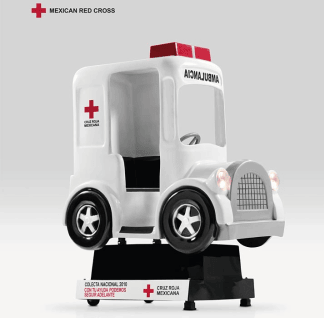 The Red Cross of Mexico functions 24 hours a day, 365 days a year. Like the American and Canadian Red Cross, it assists at disasters, but additionally acts as an Emergency Medical Service.
By Mexican law, it is the only organization, outside of big cities, authorized to render first aid to anyone injured in an auto accident or in the commission of a crime.
As early as 1898, the Spanish Red Cross approached the Mexican Government to inquire about the emergency services available in the Republic. At that time, such services were provided by the Mexican Army. The Mexican President, Porfirio Diaz, had been a general, had strong ties to the Military, and showed no interest in establishing a Mexican Red Cross. By 1907, however, the Mexican Army had fallen on hard times. Diaz, still President, had cut back on its funds, producing inefficiency and dissatisfaction among career officers.
On August 2nd of that year, Mexico recognized the Geneva Convention and on February 21, 1910, a presidential decree recognized the Red Cross, but made it an auxiliary of the Army. In 1919, it was recognized by the International Red Cross and received a charter in 1923. Since then, the organization has been prohibited from accepting any financial aid from any government agency. It is financed by private donations only. It also severed its ties with the Army. Now, the Army gave up its role as the provider of day to day emergency care, shifting the burden to the Cruz Roja Mexicana. Thus, it became the sole designated caregiver in situations normally handled and paid for by governments in most parts of the world.
Today, both the Mexican Red Cross and the Mexican National Health Service, IMSS, maintain hospitals in all major cities. Larger cities also run Municipal Hospitals. However, the IMSS hospitals serve only those who can afford to pay a yearly fee of about $250.00 U.S. or work for companies that provide them with coverage. Those who cannot afford the premiums or are not covered by their employers, still must turn to either a Red Cross or Municipal Hospital for free care. By and large, emergency health care in big cities is good. That is not the case in small towns and villages.
Those who live outside large municipalities and are unable to pay for private care, are totally dependant on the Red Cross to provide emergency care and transport them to the nearest hospital that offers free service. At this time, there are over 418 delegations functioning within the country. More are needed.
A safety net for all who live or visit here, the quality of life in this country, particularly in rural areas, depends on the ability of the Cruz Roja to collect enough money to keep solvent. Those who live here permanently, visit as snow-birds, or even pay short visits, must recognize that when they help support the Cruz Roja Mexicana, the life they help save may be their own.
 United States and Canadian citizens travelling to México as tourists only need to present valid passports and complete entry forms (Migratory Form for Foreign Tourists, Transmigrants, Business Visitors or Councilor Visitors) generally available at travel agencies, airline offices and all entry points into Mexico.
 EMERGENCY PHONE NUMBERS
 There are a few ways to get medical attention if you need it. There are some local clinics and Hospitals nearby.
 Part of the malecon, Los Muertos Pier, City Hall, the UMA building, DIF installations and most of the government agencies will turn off their lights to create awareness. The Department of Environment and Ecology, through their Department of Education and Environmental Culture invite you to participate in Earth Hour 2014.
 Spring Breakers may just be getting to Puerto Vallarta but the destination is already getting ready for this fall when two new properties will be opening in Mexico’s most popular international Pacific Coast destination.
 “Fundamental, sighted and visionary for water usage,” that was the qualification given by local commissionaires, businessmen and regional authorities in regards to the construction of San Vicente – El Porvenir water collector, in the municipality of Banderas Bay.
 Waffle Breakfast at River Café on March 25th
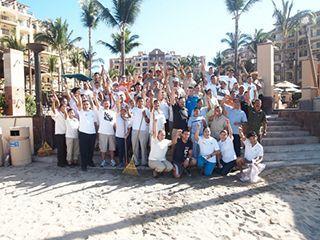 This activity brings about several positive results for the destination: the tourists love a clean beach, the hotel personnel comes together for a cause and the sand is kept in good shape to receive the turtles that come here to lay their eggs.As a tourist destination, the Riviera Nayarit is charged with caring for the main reason tourists flock to it: its shoreline. Therefore, beach cleanup is a year-round obligation.
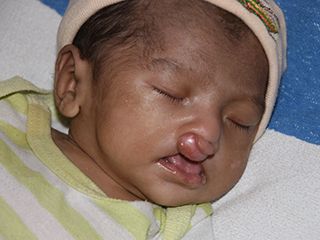 The International Friendship Club (IFC) announced that their next Cleft Palate Clinic and Surgeries will be held March 11-13, 2014. The Clinic will take place on Tuesday at the IFC Clubhouse beginning at 1:00 p.m. where up to 30 or more families with children in the Cleft Palate program will gather to see doctors so that assessments can be done. Volunteers entertain the children with games and artwork and provide refreshments as the Clinic often lasts until early evening before all families can be seen.
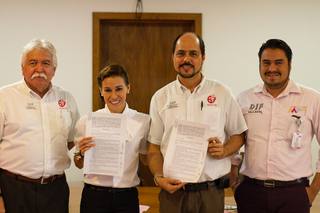 Through the collaboration agreement opportunities for people that are trained and certified in the various courses offered at the institution will be provided.
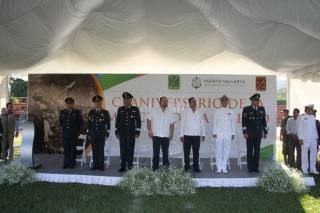 This episode of national history confirms the commitment and loyalty of the military to the Mexican people
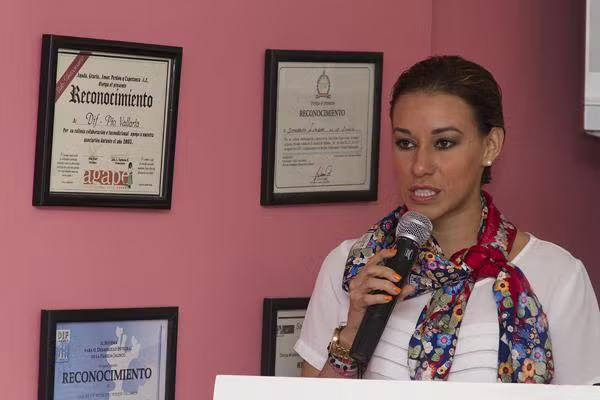 Volunteers conduct four fundraising events throughout the year in order to strengthen the work of the humanitarian institution