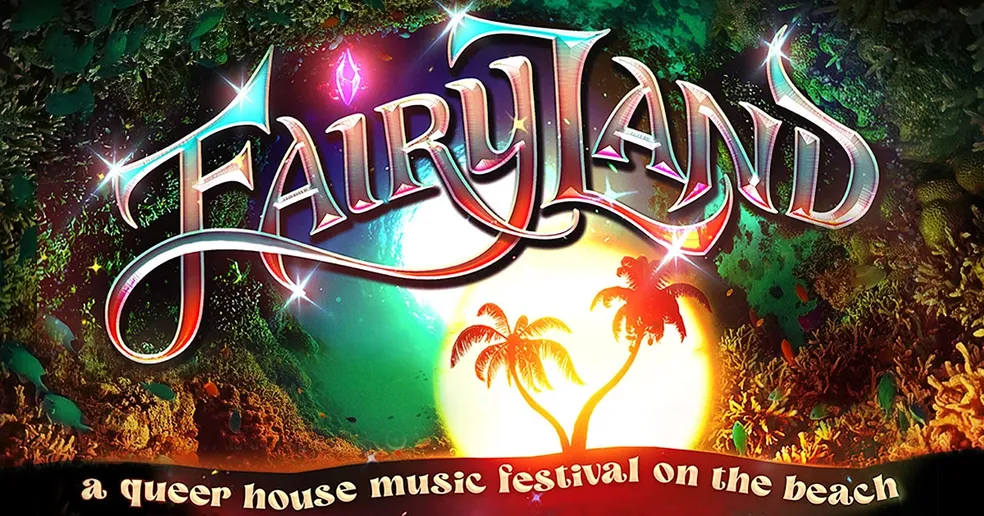
Fairyland's return to Puerto Vallarta for a second edition, covered in our main piece, is one data point in a much longer story about how Puerto Vallarta developed into Mexico's most established LGBTQ+ tourism destination, and what that status actually means economically and institutionally for the city. Understanding that foundation helps explain why festivals like Fairyland choose Puerto Vallarta rather than other Mexican beach destinations with comparable climate and infrastructure.
The Romantic Zone and How It Developed
Puerto Vallarta's Romantic Zone, the neighbourhood south of the Cuale River, centred around Olas Altas beach and the streets running inland from it, developed as an LGBTQ+ social and commercial district gradually across the 1980s and 1990s, as the city's growing international tourism profile attracted both visitors and expatriate residents from the United States and Canada. The neighbourhood's relative affordability at the time, combined with Puerto Vallarta's tolerant social atmosphere and distance from Mexico City's more conservative political culture, made it attractive to LGBTQ+ entrepreneurs and residents.
By the 2000s, the Romantic Zone had developed a density of gay bars, clubs, hotels, and service businesses sufficient to constitute a self-reinforcing tourism district, a place where LGBTQ+ visitors could be confident of finding a critical mass of welcoming venues and fellow travellers. That critical mass is commercially significant: it reduces the search cost for LGBTQ+ tourists who are assessing destinations and creates the sense of communal belonging that distinguishes a destination with genuine LGBTQ+ infrastructure from one that merely tolerates queer visitors.
Today the Romantic Zone is the commercial anchor of a tourism offer that extends across the city. Puerto Vallarta's LGBTQ+ market draws visitors from the United States, Canada, Europe, and increasingly Latin America, and it operates year-round rather than only during specific pride or festival seasons. The annual Vallarta Pride festival, one of Mexico's largest, brings a concentrated influx in May; events like Fairyland extend the premium festival calendar into March.
The Economic Dimensions of LGBTQ+ Tourism
LGBTQ+ travellers as a market segment have been studied extensively by tourism economists, and several consistent patterns emerge. LGBTQ+ tourists, particularly couples without children, tend to travel more frequently, stay longer, and spend more per trip than the median leisure traveller. They are disproportionately concentrated in higher-income brackets and are more likely to book premium accommodation and dining experiences. They are also more likely to be repeat visitors to destinations where they have had positive experiences.
For Puerto Vallarta, these patterns translate into a tourism segment that generates disproportionate economic value relative to its share of total visitor numbers. A hotel occupancy rate maintained substantially by LGBTQ+ visitors is generating different revenue per room and per guest than the same occupancy rate driven by budget package tourism. The city's hospitality industry has structured significant capacity around this market, with dedicated gay-friendly and LGBTQ+-owned hotels concentrated in and around the Romantic Zone.
The broader economic significance extends beyond accommodation. LGBTQ+ tourism has historically been associated with the revitalisation and gentrification of urban neighbourhoods, a pattern visible in the Romantic Zone's evolution from a relatively affordable district to one of Puerto Vallarta's more commercially active and internationally recognised neighbourhoods. That evolution has created value for property owners and businesses while also raising questions about affordability for long-term local residents, a tension familiar from LGBTQ+-driven neighbourhood development in cities worldwide.
Competition and the Sustainability of the Position
Puerto Vallarta's dominance as Mexico's LGBTQ+ tourism hub is not static. Cancún has invested in LGBTQ+-specific event programming and has a larger existing tourism infrastructure. Mexico City has a substantial and historically significant LGBTQ+ scene centred on the Zona Rosa neighbourhood and has hosted major Pride events. Puerto Vallarta's advantage lies in the combination of beach access, concentrated neighbourhood infrastructure, established international reputation, and the self-reinforcing network of LGBTQ+-oriented businesses that makes the destination legible to international travellers.
Events like Fairyland contribute to maintaining that position by generating international media coverage, attracting visitors who might not otherwise have Puerto Vallarta on their travel radar, and associating the destination with the kind of premium cultural programming that reinforces its status as a serious LGBTQ+ destination rather than merely a beach town with a gay district.
Frequently Asked Questions (FAQs)
Q: When did the Romantic Zone develop into an LGBTQ+ district?
A: The Romantic Zone developed gradually across the 1980s and 1990s, as Puerto Vallarta's growing international tourism profile attracted LGBTQ+ visitors and expatriate residents from the United States and Canada. Its relative affordability and the city's tolerant social atmosphere made it attractive to LGBTQ+ entrepreneurs. By the 2000s it had developed the critical mass of welcoming venues that defines a self-reinforcing tourism district.
Q: How does LGBTQ+ tourism spending compare to general leisure tourism?
A: Research consistently finds that LGBTQ+ tourists, particularly couples without children, travel more frequently, stay longer, and spend more per trip than the median leisure traveller. They are disproportionately concentrated in higher-income brackets and more likely to book premium accommodation and dining. For Puerto Vallarta this translates into a segment that generates disproportionate economic value relative to its share of total visitor numbers.
Q: Does gentrification in the Romantic Zone create problems for long-term residents?
A: Yes. The Romantic Zone's transformation from a relatively affordable district into one of Puerto Vallarta's most commercially active neighbourhoods has created wealth for property owners but raised costs for long-term residents who cannot afford the resulting rent increases. This tension between neighbourhood revitalisation and displacement is common to LGBTQ+-driven neighbourhood development in cities worldwide and is present in Puerto Vallarta.
Q: Which cities are competing with Puerto Vallarta for LGBTQ+ tourism in Mexico?
A: Cancún has invested in LGBTQ+-specific event programming and has a larger existing tourism infrastructure. Mexico City has a substantial and historically significant LGBTQ+ scene centred on the Zona Rosa neighbourhood. Puerto Vallarta's advantage over both lies in the combination of beach access, concentrated neighbourhood infrastructure, and a self-reinforcing reputation that makes it immediately legible to international LGBTQ+ travellers.
Q: How does Vallarta Pride fit into the city's year-round LGBTQ+ event calendar?
A: Vallarta Pride, held in May and among Mexico's largest pride events, represents the peak of Puerto Vallarta's concentrated LGBTQ+ calendar. Events like Fairyland in March extend premium festival programming into other months, spreading economic activity across the season rather than concentrating it in a single annual peak. The combination creates a year-round LGBTQ+ tourism offer rather than a single-event destination.












 Ryan Thorburn made a lasting impression on a group of firefighters a year ago, so much so that the Comox paramedic is giving them an ambulance.
 We know that you’re excited about your trip and you have every reason to be! Puerto Vallarta is by and large a safe destination, and the issues you’ll encounter here are more likely to be minor nuisances than serious sources of danger.
 This November 23, Margarita Grill brings you an event where you can have a pleasant time while contributing to the rescue and care of our feline friends in the region, the bingo charity in Benefit of the PuRR project in Puerto Vallarta, has an attractive prize pool of up to $ 200, dishes and drinks at various local businesses.
 CADIP is running a marine turtle protection program in the small town of La Peñita on the Pacific coast of Mexico.




 How to resolve AdBlock issue?