







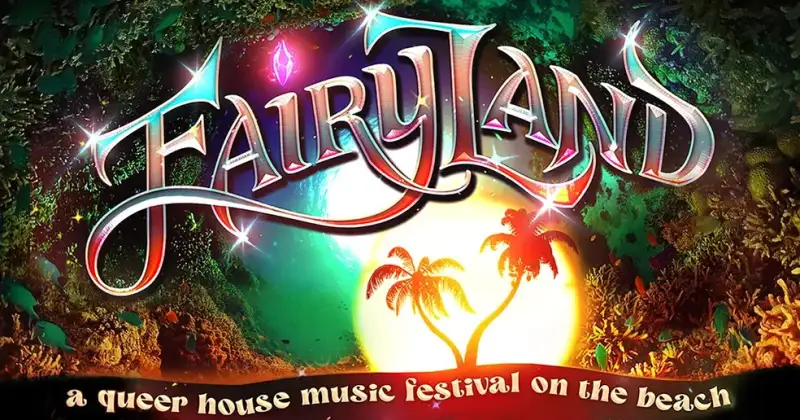
Fairyland's second edition at Puerto Vallarta, covered in our main piece, exists within a broader pattern of queer-identified music festival development across Mexico and Latin America. Understanding that pattern places the event in context: not as an isolated local curiosity but as part of a regional circuit that is developing infrastructure, audience habits, and commercial viability at a pace that would have been difficult to predict a decade ago.
The Regional Festival Landscape
Mexico's electronic music festival market has grown substantially over the past decade. Events like Corona Capital in Mexico City, Bahidorá in Morelos, and Pa'l Norte in Monterrey have established that Mexican audiences will travel domestically and internationally for well-curated multi-day festival experiences. These events are not LGBTQ+-specific, but they have normalised the festival format, weekend travel, premium ticketing, international headliners, in a market where that format was not previously well established.
Queer-specific events have developed alongside this broader market growth. Mexico City's circuit party scene has operated for years around events targeting LGBTQ+ audiences with international DJ talent. Pride festivals in major cities have grown in scale and programming ambition. What Fairyland represents is a more specialised evolution: a destination festival that combines the queer identity of a circuit party with the multi-day, multi-stage format of a mainstream music festival, anchored to a specific geography with pre-existing LGBTQ+ tourism infrastructure.
That combination is not common in the region. Circuit parties tend to be single-venue, single-night or weekend events in urban settings. Mainstream music festivals rarely have explicit LGBTQ+ identities even when they attract significant queer audiences. Fairyland's format occupies a niche that has genuine regional scarcity, which is part of what gives it growth potential beyond its local Puerto Vallarta audience.
International Circuit Connections
The house music DJ circuit that Fairyland draws from is international in structure. Artists like The Shapeshifters, David Penn, and Horse Meat Disco perform across events in Europe, the Americas, and beyond, and their inclusion in a Puerto Vallarta festival connects the event to a global network of house music and LGBTQ+ event culture. For international attendees, particularly from the United States and Canada, who represent Puerto Vallarta's largest inbound tourism markets, the presence of artists they recognise from events in their home markets provides a familiar cultural reference point that reduces the friction of choosing a destination they may not have visited before.
The Mighty Real SF collaboration for the Saturday after-party introduces a specific San Francisco connection that has resonance for LGBTQ+ audiences familiar with that city's role in queer cultural history. These kinds of institutional connections, between Fairyland and established LGBTQ+ event brands in North American cities, build the associative credibility that helps a young festival establish its position in the minds of potential attendees who have not yet attended.
What Makes a Festival Circuit Sustainable
Festival circuits develop when events achieve sufficient scale and regularity to create habitual attendance patterns, when a segment of the audience begins planning travel around an event's annual recurrence rather than evaluating it fresh each year. That shift from discovery to habit is the threshold that separates genuinely established festivals from events that depend on continuous novelty to sustain interest.
Fairyland is at the earliest stages of that process. Two editions establish a pattern but not yet a habit. The scalability of the headliner choice, from the credible-but-circuit-specific 2025 lineup to Billy Porter's broader cultural profile in 2026, suggests the organisers understand that building a wider audience requires programming decisions that reach beyond the core house music fanbase. Whether that strategy succeeds in building the durable, repeat-attendance audience that sustains a festival long-term will be visible in the trajectory of subsequent editions.
Frequently Asked Questions (FAQs)
Q: What distinguishes a destination festival from a regular circuit party?
A: A circuit party is typically a single-venue, one or two-night event in an urban setting targeting LGBTQ+ audiences with international DJ talent. A destination festival spans multiple days and draws attendees who travel specifically for the event, with the location itself as part of the appeal. Fairyland occupies the hybrid space between these formats: queer house music programming in a beachfront resort setting over four days.
Q: How has Mexico's broader electronic music festival market developed?
A: Events like Corona Capital, Bahidorá in Morelos, and Pa'l Norte in Monterrey have established over the past decade that Mexican audiences will travel domestically and pay premium prices for well-curated multi-day festival experiences. This normalisation of the festival format has created audience habits and logistical infrastructure that queer-specific events like Fairyland can build on, rather than having to develop from scratch.
Q: What role does the Mighty Real SF collaboration play for Fairyland's brand?
A: Institutional connections with established LGBTQ+ event brands in North American cities build the associative credibility that helps a young festival establish its position in international audiences' minds. Mighty Real SF carries cultural resonance within LGBTQ+ communities familiar with San Francisco's role in queer history. Its inclusion signals that Fairyland is plugged into an existing North American queer event network rather than operating in isolation.
Q: What threshold does a festival need to cross to become a sustainable annual circuit event?
A: Festival circuits become sustainable when a segment of the audience begins planning travel around the event's annual recurrence rather than evaluating it fresh each year. That shift from discovery to habit typically requires three to five consistent editions, escalating headline quality, and strong word-of-mouth from returning attendees. Fairyland's second edition with a substantially larger headliner suggests organisers understand this dynamic and are investing in building toward that threshold.
Q: How does regional scarcity of queer destination festivals affect Fairyland's growth potential?
A: Fairyland's format occupies a niche with genuine regional scarcity. Circuit parties in Latin America tend to be urban single-night events; mainstream multi-day festivals rarely carry explicit LGBTQ+ identities. The combination of queer cultural identity, multi-day format, and destination setting that Fairyland offers has few direct regional competitors, which reduces the audience acquisition cost compared to entering a crowded market and gives the event more room to grow before facing format saturation.