The Beautiful Doors and Entrances of The Homes in Bucerias, Mexico

DSC02944-620x465

Bucerias is a tiny little town about 40 minutes north of Puerto Vallarta that has become popular in the past decade or so for those travellers and visitors who long to see “old style” Mexico, rather than the more modernized cities like Puerto Vallarta. Sadly, the larger cities (like Mazatlan, P.V. and Cancun) don’t really resemble what we think “Mexico” looks like any more – being small, dusty streets lined with horses and street taco vendors, corner shops and restaurants where storeowners entice customers in with their friendly, hospitable manners – no, far from it.

These days the “big cities” in Mexico tend to have only tiny bits of quaintness (like a street market, authentic restaurant or shop) here and there, all wedged between a never ending parade of McDonalds, Starbucks and Señor Frog clothing stores; but not Bucerias, which some say is what Puerto Vallarta was 40 years ago. It’s a place that, with it’s cobblestone streets, five mile stretch of beach, and old style township you can really get a taste of a more relaxed, simpler lifestyle. How much simpler? Well, Puerto Vallarta has a population of 300,000, whereas Bucerias has a population of only 17,000; a statistic that while I found quite surprising (given they are located only 40 minutes apart) also explains the slower pace and genuine friendliness of the people who live there. You won’t find any time-share hucksters or beach front vendors in Bucerias, simply because the volume of tourists who venture into the town is too small to make it worth their while – but you will find quaint shops, great restaurants, a small outdoor flea market (1/20th the size of the P.V. market, yet somehow offering all the same things for sale – imagine that!) and of course, miles of beautiful beach.

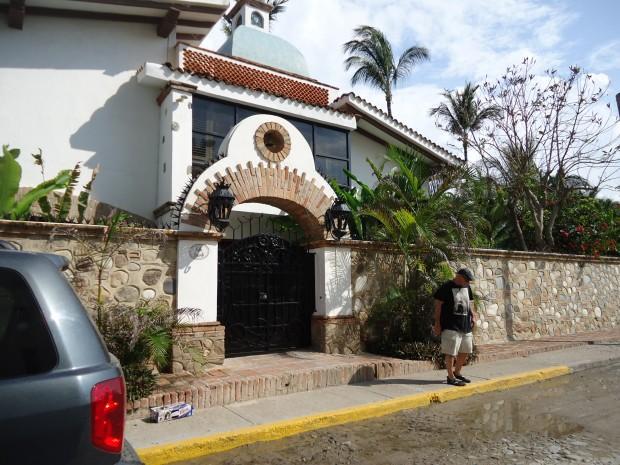
Oh yes, and one more thing… some of the most beautiful doors and entrances to homes I’ve ever seen in my life. I’m not sure why, but many of the casa’s (houses) in Bucerias are adorned with beautiful entrances – some spectacular and grand, others simple, yet neat and tidy; but all are gorgeous. Here are a few pictures of some of the more interesting ones we saw on the 25 minute walk from our resort into the township – and once you’ve had a good look at these beautiful bits of Mexican architecture, you too might feel like you are strolling the cobblestone roads on a hot, sunny day… you may even hear a rooster crow or crave a cerveza well you are at it. I hope you enjoy them as much as we do.

I hope you liked our “mini-tour” of the doorways of Bucerias, and if you’d like to experience them for yourself, you won’t be disappointed. Being close to Puerto Vallarta, Bucerias is served by their airport, and is a 30 minute taxi ride; but if you are a first timer down there, I suggest that you book an all-inclusive resort package (The Royal Decameron comes to mind!) and wander downtown at your leisure to make sure it’s your cup of tea – or should I say tequila!

[readon1 url="http://davidknappfisher.com/2014/world-travel/the-beautiful-doors-and-entrances-of-the-homes-in-bucerias-mexico/"]Source:davidknappfisher.com [/readon1]


Galleria Dante & Dante

galleria-dante-index-black

We are having a Summer SALE!

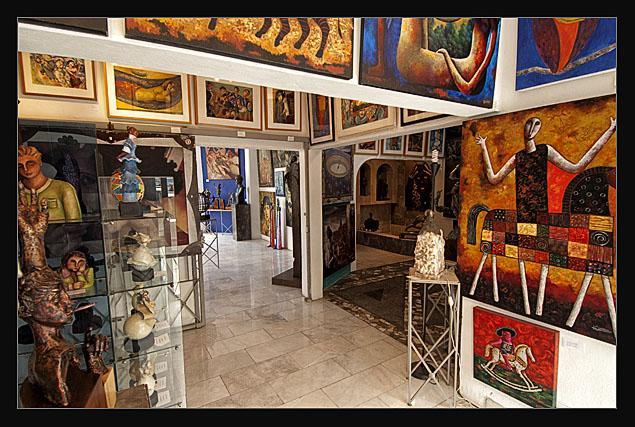
If you've been eyeing one of more than 1700 gorgeous works of art on our webpage, now is the time to make it yours! Until September 30, 2014, all Gallery works are 20 - 30% off,
Estate Sale items are 20-60% off the listed price.

Want to make an offer? We will entertain those, too!

Alejandro Colunga, Patrick Denoun, Alejandro Mondria, Guillermo Gomez, Luis Espiridion, Israel Zzepda and Jesus Tellosa are just a few of the artists represented on our Estate Sale, so take a look!


A Swim With Mexico's Massive Whale Sharks

 OD-BD322A WSHAR G 20140807135735

In the waters off the Yucatán Peninsula, travelers can get up close to the largest sharks in the world

SEEMED LIKE we'd been searching for the sharks for hours. Our group had actually only been motoring through the Gulf of Mexico for 40 minutes, scanning the Mylar-smooth water for telltale fins. But anticipation had made time sluggish.

For most of us, this trip off Isla Holbox, an apostrophe at the tip of Mexico's Yucatán Peninsula, was the culmination of a longtime dream. Once we saw them—if we saw them—we'd get the chance to swim alongside the largest fish in all the world's oceans, what our Spanish-speaking guides called tiburones ballenas, or whale sharks.

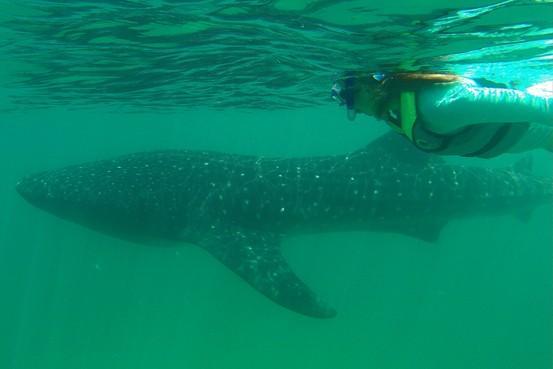
In theory, they should have been easy to spot. Measuring up to 40 feet in length and weighing as much as 11 tons, the sharks—which are harmless to humans—have spotted skins that prompted locals to nickname them "dominoes." The creatures typically feed at the surface on calm sunny days, suctioning great volumes of phytoplankton into their mouths. So, where were they? We all scanned the unruffled sea.

Suddenly, our boat captain shouted above the noise of the outboard engine: "A la izquierda!" As he spun the steering wheel to the left, we saw them: twin rudders cleaving the ocean surface, one about a dozen feet behind the other. The rounded dorsal fin was splotched with white; following it was a notched dagger point, the caudal fin—the tip of the shark's tail.

"Get ready!" a guide called, as we slowly pulled abreast of the shark. The passengers who were to jump in first, a couple named J.R. and Karen, were already pulling on fins and snorkels. The rest of us leaned over the gunwale to marvel at the shark: its dappled, roughly 30-foot length; its broad, flat head; the lazy, sinuous switches of its great tail.

"Jump!" the guide instructed, pulling on his mask and sliding over the side. J.R. and Karen followed; we watched, half entranced and half envious. Our turns would come.

I first learned about whale sharks almost 20 years ago, from friends who'd encountered them on the other side of the world. Back then, Ningaloo Reef, off the northwestern coast of Australia, was believed to be one of the only places to see the sharks, about which very little was known. They were thought to travel vast distances—thousands of miles—but marine biologists had no specifics about their migratory patterns. Mating and reproductive habits were also obscure.

Scientists still don't have much data on whale-shark behavior. Fishermen and divers who spot the animals routinely supply much of what's known: whale sharks are solitary swimmers, have skin patterns as individual as fingerprints and consume masses of plankton, krill and tiny fish. This single-minded pursuit of food appears to make the sharks nearly oblivious (and benign) to humans.

In the past decade, the waters off Isla Holbox—a 27-mile long curl of sand and mangrove thickets, where the Gulf of Mexico converges with the Caribbean Sea—have been identified as hosting the world's highest concentration of whale sharks. According to Mexico's National Commission of Natural Protected Areas, as many as 600 come to feed here between May and October—and particularly during the month of July, when currents sweep stores of plankton from more southerly ocean depths into the shallow waters around the Yucatán.

“ From the boat, the whale shark had appeared to be floating listlessly, but in the water it took every ounce of my strength to keep up. ”
In 2009, Mexico's government established a protected marine area for the sharks, encompassing roughly 510 square miles north of Isla Holbox. Though other feeding areas have since been discovered in the region, in this one, tour operators and guides must adhere to strict regulations for approaching the creatures. Around 60 different tour operators now troll the preserve from Holbox, offering outings to an increasing number of tourists.

For my own trip, I chose Natural Habitat Adventures, a U.S.-based outfit I'd traveled with previously. I liked the fact that the company's trips focus on wildlife conservation (it has a partnership with the World Wildlife Fund, and a portion of trip fees go to WWF programs). I also appreciated that it works with local guides, keeps groups small and attracts outdoorsy, adventurous travelers.

The seven of us who converged for a five-day trip this July, in the mainland town of Puerto Morelos, were a fairly amphibious bunch. Along with our guides, Astrid Frisch and Karel Beets —married naturalists who have been leading tours in their native Mexico for decades—were Libby, who'd tried cage-diving with great whites off South Africa, and Julia, who'd snorkeled among sea lions in the Galápagos. But there was also Molly Kate, who had a lifelong fear of deep water.

On our first day, we discovered that Holbox is a near-picture-perfect island village. Hand-painted pangas (open fishing boats) are docked at the shore; there's a tiny square where kids play on a fenced soccer pitch. Seafood restaurants and cheerful shops line the sandy main street. There are no cars—just golf carts, including a fleet of bright-yellow "taxis" that transported us to a beachfront hotel on the other side of town.

Over the next few days, we explored some of the island's natural landscapes—including Cabo Catoche, a cape whose dense mangroves and shallow estuarine waters function as a nursery for fish and crustaceans, and Punta Mosquito, where hundreds of flamingos and frigate birds make their home. We spotted some of the area's other impressive marine creatures—including sea turtles, bottlenose dolphins and giant manta rays.

But the night before our first whale-shark excursion, the excitement at our dinner table was palpable. It was abundantly clear what we had all really come for.

"You'll go in the water two at a time, with a guide," Mr. Beets told us during our pre-meal prep talk. We were to stay at least 6 feet away from the animals, he said.

"What about the mouth?" someone called out, to my relief. The photos I'd seen of the sharks' wide, slotlike maws—which they use along with their gills to vacuum up and filter nutrient-filled seawater—had made me slightly nervous.

"You won't get sucked in," Mr. Beets reassured us. "But when you swim with them, stay to one side. If you get in front, sometimes they spook and dive."

The next morning, 20 miles from shore in our panga, I was trying not to freak out as I pulled on my fins. When my turn came to jump in with the shark, I was hyperventilating before I even hit the water.


As soon as I was in, I found myself kicking with all my might. From the boat, the shark had appeared to be floating listlessly, but in the water it took every ounce of my strength to keep up. At first, it was almost too big to see properly; peering through my mask, I could only discern the shark's vast, spotted flank, gills fanned out like spinnakers. I was able to stay alongside for only a minute or so before my legs and lungs maxed out, and I had to climb back aboard.

That afternoon, though, I got many more chances for close encounters; we saw almost a dozen sharks that day, as well as a 12-foot manta ray. By my fourth time in the water, I'd begun taking in beautiful details of the sharks' appearance: the way their tiny eyes were placed, almost like afterthoughts, next to the corners of their gaping mouths; the colonies of remoras, or suckerfish, that fluttered like pennants along their pectoral fins; the swirling dotted patterns on their skins, which reminded me of aboriginal Australian paintings.

On my last swim, when I was too tired to kick anymore, I watched as a shark curved slowly past me and disappeared from view. I surfaced just in time to see Molly Kate—my water-phobic co-traveler—leap off the panga, flanked by guides. I pulled off my snorkel and whooped—for her, and for me, and for the great, hulking mystery we had shared


[readon1 url="http://online.wsj.com/articles/a-swim-with-mexicos-massive-whale-sharks-1407512080"]Source:online.wsj.com[/readon1]


 

Why not visit Puerto Vallarta and its beautiful surroundings?

old-town

Puerto-vallarta-archesFounded in 1851 (or 1859, depending on your source), prior to the 1960s, Puerto Vallarta
was a small coastal village with ties to the mining industry of the Sierra Madres. For decades, its land properties were tied up in legal disputes that required rulings by the Mexican government, with no resolution in sight. Even its historical and archaeological value was limited since there are no major “ruins” in the vicinity. However, in the 1960-70s, three unrelated things happened that moved Puerto Vallarta to the pathway of becoming a major resort.

American director, John Huston, filmed his 1963 film “The Night of the Iguana” just south of Puerto Vallarta. During the filming, the US media gave extensive coverage to the film’s co-stars’ scandalous love affair, as well as covering the in-fighting between director Huston and the stars. The publicity helped put Puerto Vallarta on the map for US tourists.

In 1968, the government elevated the municipality to the status of “city.” This status change reflected the interest of the federal and state governments in developing the city as an international resort destination. During this time, the government also invested in the development of transportation and municipal infrastructure for the city, making Puerto Vallarta easily accessible by air and ground for the first time, and bringing about its first tourist boom in the late 60s and early 70s. The infrastructure of Puerto Vallarta has continued to improve in the interim, and now includes a maritime terminal, culture and art venues and high-tech utilities such as cable TV and high-speed internet, as well as city-supported utilities, a good road/highway system and an international airport.

Since the communal status of the land originally appropriated from the “Union en Cuale” Mining Company could not be resolved, it had stifled development in the town for the first seventy years of the 20th century. Finally, in 1973, the government established the Vallarta Land Trust to sell the land within the current city limits, and use the proceeds to develop the city’s infrastructure. The land and development freeze was finally broken.

Puerto Vallarta lies on a narrow coastal plain at the foot of the Sierra Madres. This beach resort has become home to several hundreds of North Americans who have chosen it as their retirement home. Puerto Vallarta has near-perfect weather year-round with an average daily temperature of 73 degrees F. from November to May with virtually no rain, and an average summer temperatures of 87 degrees F. with cooling rain showers almost every evening.

puerto-vallarta-Beach 1Vallarta boasts an international airport, Gustavo Díaz Ordaz International Airport (PVR). PVR offers daily flights via the major US and Canadian airlines into the major hubs of the US and Canada. It is about a 3-hour flight from Los Angeles and around 5 hours, or a little more, from most major US and Canadian cities. During “high” season (July-August and November-May), the airlines expand daily schedules to include more US and Canadian cities, and additional cities within Mexico.

Hospital Cornerstone: a new state-of-the-art, bi-lingual “Level IV” Trauma Center; San Javier Marina Hospital: large and fully equipped with the latest technology; Hospital CMQ: smaller with 14 private rooms and a trauma center; and Medasist Hospital: with an emergency room, Intensive Care Unit, laboratory, private suites, new surgery suites, CAT scan and radiology department, all provide for Puerto Vallarta’s hospital needs. There is also a full-service holistic medicine center, the Organic Holistic Medicine which offers acupuncture, magnetic fields, biological dentistry, chelation Therapies, Q2, colon cleansing, etc. Numerous clinics, Servicio Medico de la Bahia, Clínica Hospital del ISSSTE, Clínica Unidad de Medicina Familiar, and Clínica No. 42, among others, and a strong network of doctors and dentists who provide the supporting framework round out the excellent PV medical system.

puerto vallarta-flea-mktReal estate, despite PV’s growing popularity as a retirement mecca, has remained affordable. Houses can be purchased for as little as $80,000 all the way up to a very luxurious $600,000 and more. But, the average home price is in the $200,000 range. For those who want to “try before they buy,” the average rental for a nice two bedroom is in the $1200-$1500 per month area. But, for the careful (or lucky) shopper, there are “good buys” to be had at $500-600 per month and, occasionally, less. Utilities are typically Mexican – around $10-15 for gas and water each month while cable, phone and electricity depend on your usage/plan, but normally run 50% or less of what you’ve been paying north of the border.

There are four malls in Puerto Vallarta – Paradise Plaza, Plaza Caracol, Plaza Marina, and the smaller Plaza Neptuno with its fine home furnishing and clothing boutiques. Anchoring the malls are Liverpool, LANS, Soriana and Mega department stores. Get your groceries and house ware items at Gigante Supermercado – a Mexican take on Walmart, a real giant Walmart, Ley Supermarket, Costco or Sams.

The all-time favorites for bargains, novelty, crafts or that item you just can’t live without are the “Río Cuale Flea Market” and “Unique Consignment.” The Flea Market is an puerto-vallarta-churchlarge number of open-faced stalls under one roof. Even if you don’t buy anything, you need to go by for the fun of seeing it. Unique Consignment is, as the title suggests, a consignment store where you can find great bargains in antiques, art, decorative items for your home, unique furniture designs and much more.

Puerto Vallarta also has a plethora of great restaurants and local eating establishments where you can eat out for a “song,” or treat yourself to a full-course epicurean meal.

Why not visit Puerto Vallarta and its beautiful surroundings? You may find, like many others, that you “can never go home again.”


The Riviera Nayarit Focuses On Brazil's LGBT Market

d101709c-44bd-4adb-a382-8bee5b416174

Via G Magazine , Which Specifically targets This segment in Brazil, featured on the Riviera Nayarit in July Its Cover; there are 9.4 million people Belonging to the LGBT market in Brazil and together they 'earn an income of $ 3 billion USD a year.

As part of the diversification of markets Within the promotions being directed Towards Brazil, the Riviera Nayarit Convention and Visitors Bureau (CVB) undertook several public relations projects at the Lesbian Gay fluffy Bisexual Transgender (LGBT) sector Which resulted in a cover story by Magazine Via G.

The director of said magazine, Alex Bernardes, was a recent visitor to the area During The LGBT Confex and was in charge of producing the piece. He Had Also enjoyed a FAM trip to the region before the event took place.

"There's a high-level segment of same-sex couples in Brazil That Get married and are looking for a luxury destination for Their honeymoon," mentioned Bernardes to the CVB . ".

The Riviera Nayarit is ideal" "Evolving LGBT weddings are in Brazil and consequently in the Riviera Nayarit honeymoons have a great potential to Become a part de esta market as it offers everything they 'seek: luxury hotels, restaurants and gorgeous private beach houses, "added the director of Revista G. Via G Magazine is a bimonthly publication with 20 thousand copies distributed in restaurants, nightclubs, bars, hotels and art galleries; 99% of

These issues are sold. Over two thousand subscribers receive Their magazines at home; . 87% of the readers fall into the A / B and socioeconomic segments are Between the ages of 25 and 50 Impressive stats LGBT in Brazil Brazil has 9.4 million economically active people Within the LGBT segment; together they 'generate an income of $ 3 billion USD a year. Over 70% earns a salary above the national mean, owns a computer with internet access and have a valid passport for travel. Forty-five percent of the Brazilian LGBT group travels abroad; 15% cruises aboard; 87% purchases travel through agencies and 93% Have the top credit cards in Their wallets.

There's no doubt the destination is right on the mark by courting This segment With its high purchasing power and desire for luxury and nature, a combination the Riviera Nayarit is well-prepared to offer.


Kim Kardashian and Kanye West Share an Adorable ‘Bring Your Daughter To Work Day’ Pic!

 kk

Aww, North West likes hanging with daddy Kanye West in the recording studio.

While in Punta Mita, Mexico on Monday where he's recording his latest album, Kanye had a visit from cute-as-can-be Nori. Mom Kim Kardashian took the snap and posted on Instagram with the caption, “BringYourDaughterToWorkDay.”

The 13-month-old apparently digs groovin’ with pop. A source told UsWeekly.com, “North loves anything musical! She loves being in the studio with her dad. Loves music class.”

Kim also bragged about a big milestone in her daughter’s life on July 23. "Our baby girl finished one week of swimming lessons today then took her 1st steps right when she got out of the pool!!!! Mommy & Daddy are so proud of you!!!!"

 [readon1 url="http://www.extratv.com/2014/08/04/kim-kardashian-and-kanye-west-share-an-adorable-bringyourdaughtertoworkday-pic/"]Source:www.extratv.com[/readon1]


Puerto Vallarta amongst “WORLD’S BEST” cities in Mexico, Central and South America as voted by TRAVEL+LEISURE readers

attachment

Pacific Coast Jewel Is rewarded for World Class Service and Travel Experience

The city of Puerto Vallarta, which recently celebrated its 96th birthday, has once again ranked as a “Top City in Mexico, Central and South America” in the Travel + Leisure World’s Best Awards 2014 readers’ survey announced last in New York. Now on its 19th edition, the World’s Best Awards survey results reveal rankings of hotels, cities, islands, airlines, tour companies, spas, and more, based on readers’ ratings in a range of categories.

Travel + Leisure readers first added Puerto Vallarta to this exclusive list in 2011 as one of their top travel experiences to be had around the globe. Since then the destination has moved from number 8 on the list to 7 in 2012 and 5 in 2013. This year’s position at number 4, puts Puerto Vallarta ahead of it city Rio de Janeiro and right behind international destinations Buenos Aires, Cuzco and Mexico City which took the top spot on the list.

“We are very proud and honored to be recognized by the readers of Travel +Leisure in this category,” said Rolando Miravete, Executive Director of the Puerto Vallarta Tourism Board. “Puerto Vallarta is one of Mexico’s leading destinations because, as the readers note, our travel experience is one of the most rewarding to people of all ages and backgrounds. Our guests are people who like to experience nature, culture, gastronomy, life and they find in on a daily basis in Puerto Vallarta.

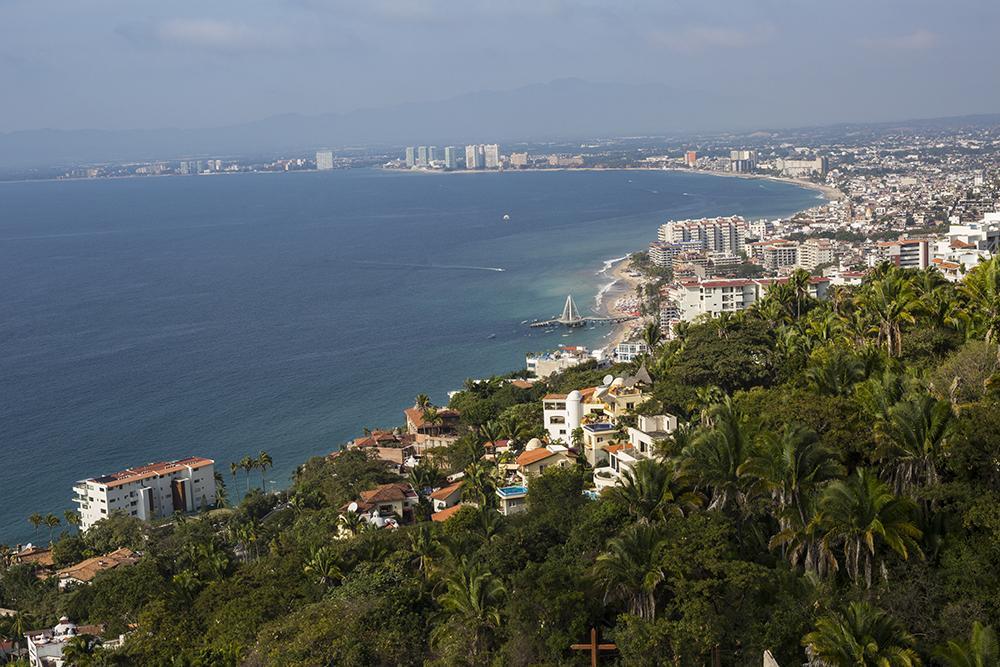
Surrounded by the Bay of Banderas and embraced by the Sierra Madre mountain range, Puerto Vallarta is divided into the luxurious section of its Marina, its indulgent hotel zone and its historic downtown and Zona Romantica. With over 365 restaurants, foodies and adventure seekers will find activities to experience at any level.

Puerto Vallarta is one of the most acclaimed destinations in Mexico and continually receives accolades from the media and visitors alike. Tripadvisor’s consumer base of more than 2 million monthly named it #2 overall best Mexican destination for the 2014 Traveler’s Choice Award and US News & World Reports selected Puerto Vallarta as "#2 Best Place to Visit in Mexico” #3 “Best Beaches in Mexico” and #4 “Best Spring break Destination" in January of this year.

Puerto Vallarta´s Board of Tourism Director, Rolando Miravete noted "this recognition is a direct result of the great experience our visitors take with them, finding comfort in our hospitality, entertainment, warmth, food and beautiful scenery that this wonderful destination offers."

In recent months, Puerto Vallarta has earned numerous awards, ranked highly and coveted by various destinations, hotels and tourism service providers around the world.

Puerto Vallarta offers visitors a variety of facilities to suit any budget, accommodations range from major hotel chains, all inclusive hotels, haciendas, boutique hotels and much more. The infrastructure weighs on high quality services and tourism, ranging from a holiday break, to experiencing a range of adrenaline and fun-filled adventure, an opportunity to enjoy our beautiful beaches, iconic sunsets and mountain landscapes.

Undoubtedly, this recognition is the result of a joint effort of hoteliers, tour operators, restaurateurs and Puerto Vallarta´s overall hospitality that offer the highest quality of service coupled with unforgettable experiences.

attachment 1

puertvallartalog


The Magazine National Geographic Traveler Mexico Visited Puerto Vallarta

ampuertovallarta

Last February the magazine national geographic traveler México visited this wonderful port in order to know the fate and live an adventure ecotourism, this as part of a campaign of public relations for the trust of tourism in puerto vallarta, which opens its doors to the most important media of our country.

The grand hotel miramar - panoramic bay view - was responsible for hosting the team of nat geo traveler, who in addition to offering great service at its facilities and food, gave a beautiful view of the Bay.

During this trip, the journalists had the opportunity of sighting whales and tropical birds; take a tour of the botanical gardens, as well as visit the ecological reserve estero del salado, where enjoyed all the wildlife that lives there.

During their stay, guests tried the delicious gastronomy that puerto vallarta offers, such is the case of the "sky" restaurant at the host hotel and restaurant "river cafe", who were commissioned to delight their palates with the most exquisite dishes.

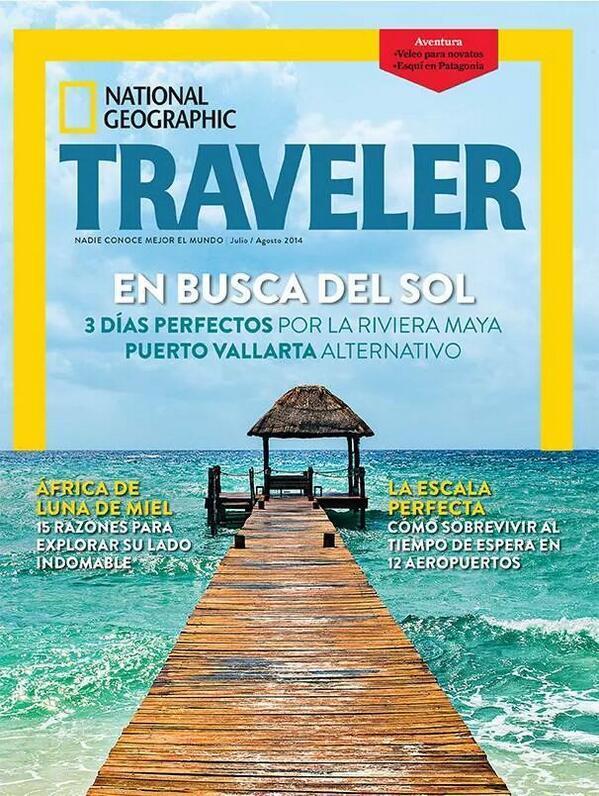
As a result of this trip, national geographic traveler México carried the name of this paradisiacal place on their cover of July and conducted an interview of 10 pages, where she shared with readers his experience in the port "where everything happens".

National geographic traveler is a magazine published by editorial televisa publishing articles showing the wonders of different, hidden from the world, and more-exotic places, giving to know their way of life, nature and unique beauty.

ampuertovallarta 1

NatGeoTraveler jul-ago 1

visitevallartalogo


2014 San Pancho Summer Festival

sanpanchofestivalFrom August 2-3, Cultural Capital of the Riviera Nayarit will regale its visitors with stellar performances from Colombia’s Systema Solar and Spain’s Héctor Guerra, as well as offer a variety of free sporting events, cultural happenings and artistic expressions.
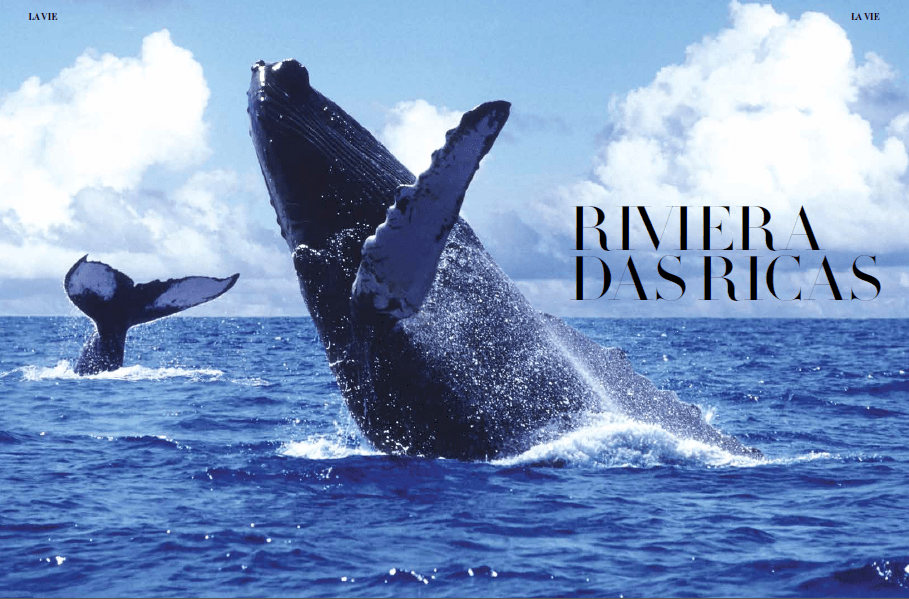

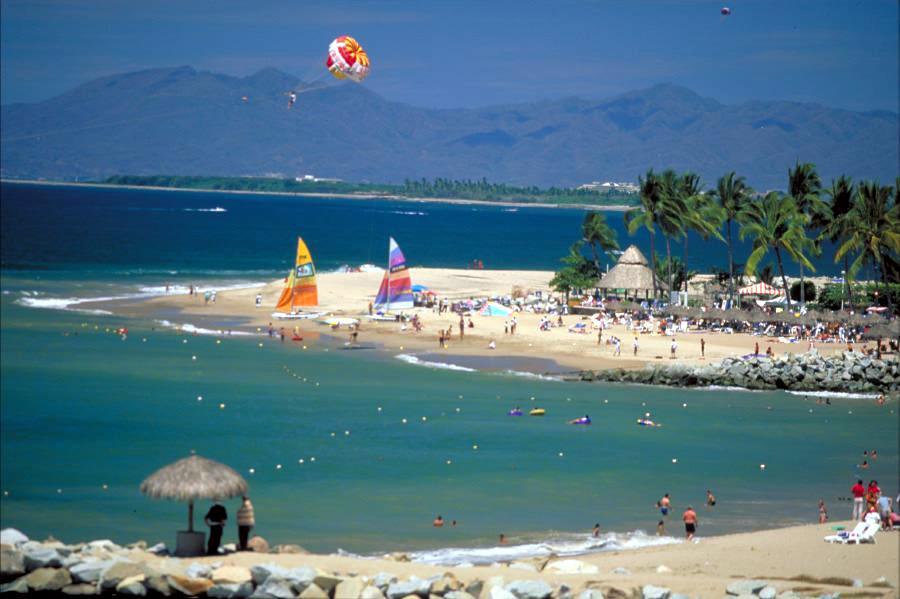
The Riviera Nayarit Is News

medios varios

In the United States, it’s been featured on ABC News, CNN Travel and USA Today; it’s in the England’s Daily Mail; on Viver and La Vie in Brazil and in Forbes México: these are just some of the top media that are talking about Mexico’s Pacific Treasure either by their own initiative or thanks to the efforts of the CVB.

The Public Relations office of the Riviera Nayarit Convention and Visitors Bureau (CVB) has “planted a seed” of interest in the destination within the international media. In fact, there has been an important increase in media publishing stories on the Riviera Nayarit that have been independent of the efforts of this office to publicize the destination.

It’s no coincidence that media from the United States, England, Brazil and Mexico, among others, are expressing an interest in informing their readers about Mexico’s Pacific Treasure and recommending a visit.

Whether it's a celebrity that stopped by on vacation, the impressive hotel infrastructure of the destination or simply reporting on the natural bounty of the Riviera Nayarit, these articles are laying the groundwork during the summer season for the international positioning of the destination.

CNN Travel placed the Riviera Nayarit among its “Best Romantic Summer Getaways,” which included the top romantic spots from around the world. ABC News dedicated space to Punta Mita’s hotels, which were also published on 7x7.com. USA Today, on the other hand, praised the sunsets in the Riviera Nayarit’s town of San Francisco as the most beautiful.

Easier Travel celebrated the beaches at Chacala, Nuevo Vallarta and Los Muertos in Sayulita, while Britain’s Daily Mail let the whole of Europe know why Kim Kardashian adored the Riviera Nayarit.

Meanwhile in the Southern Cone of the American continent, Brazilian magazines Viver and Le Vie both had spreads focusing primarily on the Marietas Islands and the hotel infrastructure.

In Mexico, domestic general information media such as Televisa and Forbes Mexico, to mention just two, have also reported on the many attractions of the Riviera Nayarit during the month of July.

Below please find a link to these many publications:

Travel Best Summer Gat Away.

ABC News

USA Today

h7X7 Travel

Easer

Daily Mail

Forbes

Easer

Sopitas

Ciudad Poder

Revista Vive Brasil