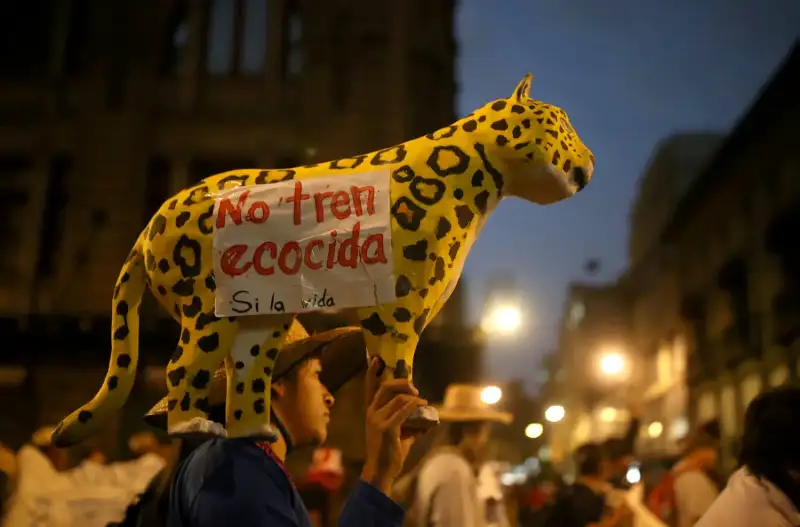






The environmental impact of mezcal's commercial expansion is most visible in land-use change. Oaxaca's mezcal-producing valleys have seen agave plantations expand at the expense of tropical dry forest and pine oak forest over three decades. The process is driven by economic incentives tied to export demand, and its consequences extend beyond the loss of forest cover itself.

Mezcal production in Mexico grew from approximately one million liters in 2010 to more than eleven million liters in 2024, according to COMERCAM, the country's mezcal regulatory body. Nearly all production is concentrated in Oaxaca. Less than 30% of what is produced remains in Mexico. About 75% of exports are destined for the United States.

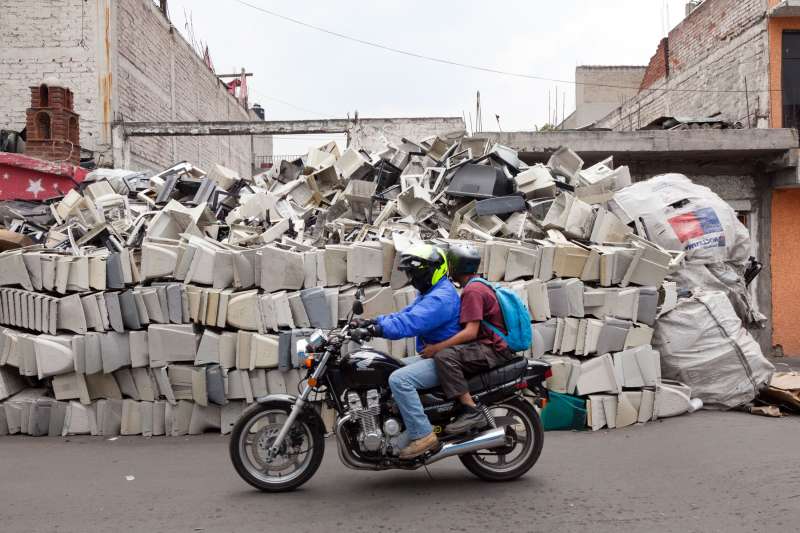
Mexico has had a legal framework for electronic waste management for over a decade. The gap between what that framework requires and what actually happens when a resident discards a phone or a broken television is the context in which municipal collection campaigns like Puerto Vallarta's exist. The law is not absent. Its enforcement is.

The Puerto Vallarta e-waste collection drive described in our main piece operates against a national backdrop where formal recycling capacity is substantially smaller than the volume of electronic waste being generated. Understanding that gap, and the informal economy that has developed to fill it, clarifies what municipal campaigns are actually accomplishing, and what they are not.

The Puerto Vallarta Environmental Sustainability Department is running a three-day electronic waste collection campaign from March 11 to 13, with five temporary drop-off points distributed across the municipality. The initiative, overseen by Mayor Luis Munguía, gives residents a structured way to dispose of old electronics without sending them to regular landfill. Collection runs from 9 AM to 4 PM on each day.

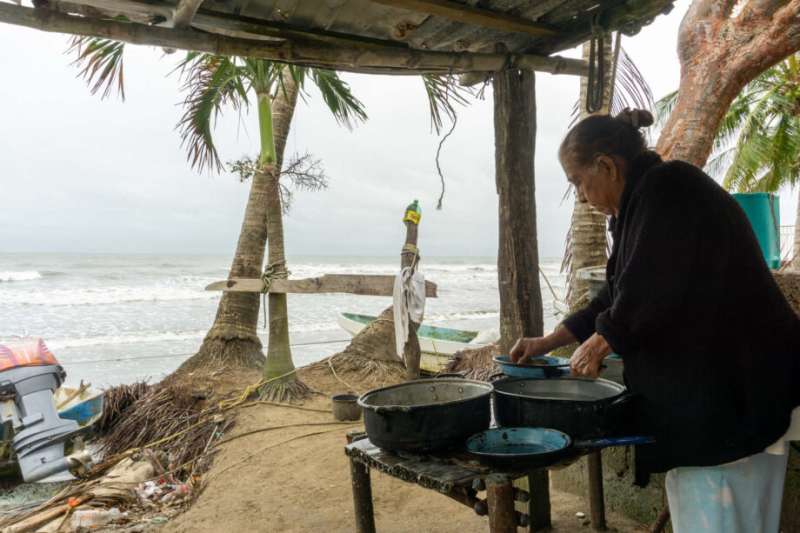
The communities of Jicacal and Las Barrillas, affected by the March 2026 oil contamination covered in our main piece, represent a category of coastal settlement whose economic model is simultaneously productive and fragile. Fishing and small-scale aquaculture provide stable livelihoods when the marine environment is healthy. They can be disrupted or destroyed quickly when it is not.

What makes the current situation particularly difficult is that the spill affects both of the community's main income sources at once, not just one.

The unattributed oil contamination on Veracruz beaches, covered in our main piece, is not an isolated event in the context of Pemex's operational history in the Gulf of Mexico region. Understanding the company's spill record, the regulatory framework governing incident response in Mexico, and the structural reasons why attribution has been consistently difficult provides context for why affected communities in Jicacal face the situation they are in.

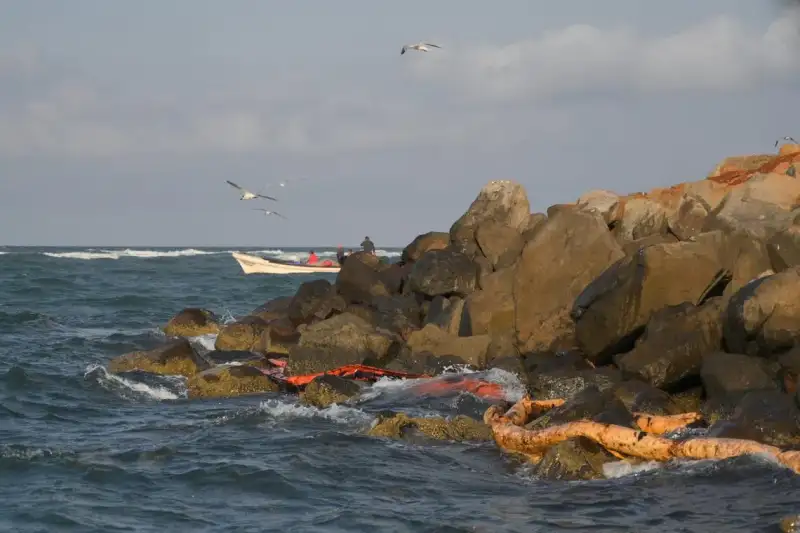
Residents of Jicacal, a fishing village on the Gulf of Mexico coast of Veracruz, have been manually removing hardened tar from their beaches after oil began washing ashore in early March 2026. The spill has spread along the coast to the neighbouring community of Las Barrillas. Since March 1, the environmental organisation Cemda has identified more than a dozen spill sites along the beaches of Veracruz and the adjacent state of Tabasco.

The theft of more than 100 Vallarta Casquito turtles from a university research facility, covered in our main piece, is a specific instance of a broader pattern of illegal wildlife trade that Mexico's environmental enforcement system has struggled to contain. Understanding the scope of that pattern, the specific vulnerabilities of endemic species within it, and the structural challenges facing enforcement provides context for why the alliance formed around the Casquito represents both an important response and a partial one.

The alliance formed around the Vallarta Casquito turtle, covered in our main piece, brings together actors who rarely occupy the same table: a federal enforcement agency, a public university, and local civil organisations. In Mexico's environmental governance landscape, that combination is neither automatic nor easy to sustain. Understanding why inter-institutional conservation alliances form, what they can achieve, and where they tend to break down provides context for evaluating what the CUCosta-Profepa collaboration can realistically deliver for the world's only endemic Banderas Bay turtle.

More Articles …