







The Puerto Vallarta e-waste collection drive described in our main piece operates against a national backdrop where formal recycling capacity is substantially smaller than the volume of electronic waste being generated. Understanding that gap, and the informal economy that has developed to fill it, clarifies what municipal campaigns are actually accomplishing, and what they are not.
How Large the Problem Is
Mexico is among the largest generators of electronic waste in Latin America, a position driven by population size, a growing consumer electronics market, and accelerating device replacement cycles. The volume of e-waste generated annually has risen consistently alongside smartphone penetration and expanding household appliance ownership across income levels.
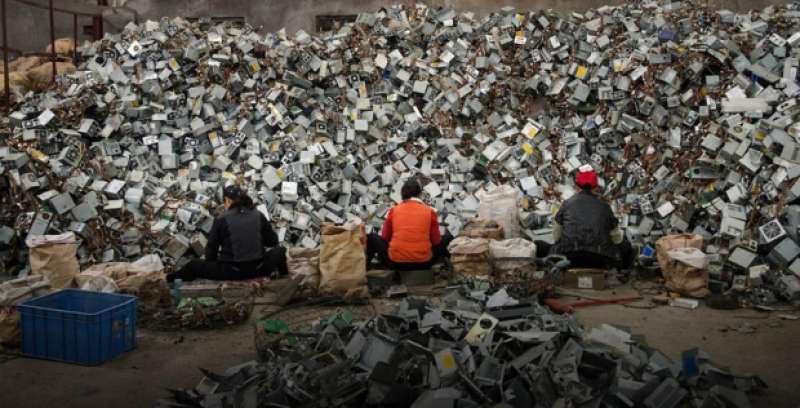
Most of this waste does not enter formal recycling channels. A significant share goes to informal recyclers, known locally as pepenadores, who extract commercially valuable metals from discarded devices without protective equipment. They work in conditions that expose them to lead, mercury, cadmium, and brominated flame retardants common in electronics manufacturing. The residue that holds no commercial value is typically abandoned on-site, burned, or disposed of in uncontrolled ways.
The contamination pathway from e-waste to groundwater is gradual and dispersed, which makes it less visible as a public health issue than acute pollution events. Heavy metals leach from landfill into soil over years, migrate through groundwater systems, and can accumulate in agricultural produce irrigated from affected sources. The health exposure extends well beyond the disposal site and the recyclers themselves.
Why Formal Collection Infrastructure Is Thin
Building and operating formal e-waste processing facilities requires capital investment, consistent material supply, and a regulatory environment that makes informal disposal genuinely more costly than formal alternatives. Mexico has not consistently created all three conditions simultaneously.
The economics of e-waste recycling are also unfavourable in many device categories. Metals recovery from low-grade consumer electronics can yield less revenue than the processing cost, particularly when informal competitors operate without the compliance expenses that formal processors carry. Formal recycling companies consequently depend on subsidy, high-value material streams, or high-volume institutional contracts to remain viable.
What Municipal Campaigns Fill and Cannot
Municipal collection drives create temporary accessible collection moments that reduce the friction of responsible disposal for residents. They divert material that would otherwise enter landfill or informal channels into formal processing. Over a three-day campaign in a city of Puerto Vallarta's size, the tonnage collected is unlikely to represent more than a fraction of annual e-waste generation, but the documented processing chain it creates has value beyond the immediate volume.
What these drives cannot address are the structural conditions driving large e-waste volumes: the pace at which devices are replaced, the cultural and economic absence of repair as an alternative, and the cost differential that makes landfill disposal essentially free while formal recycling requires effort. Those conditions are set at the national policy level, not the municipal event level.
The most effective municipal e-waste programmes internationally are those where residents can predict when and where collection will happen and plan accordingly. A one-time campaign builds awareness; an annual fixture builds habits. The practical question for Puerto Vallarta's drive is whether it will become a recurring annual event or remain episodic.
Frequently Asked Questions (FAQs)
Q: How much e-waste does Mexico generate annually?
A: Mexico is among the largest e-waste generators in Latin America, with volumes rising consistently alongside smartphone penetration and appliance ownership growth. Published estimates vary by methodology and year. The majority of this waste does not enter formal recycling channels, with a significant share going to informal recyclers or general landfill.
Q: What is informal e-waste recycling and why is it a problem?
A: Informal e-waste recyclers in Mexico, known as pepenadores, extract metals from discarded electronics without protective equipment. They are exposed to toxic materials including lead, cadmium, mercury, and brominated flame retardants. Residue with no commercial value is typically burned or abandoned, contaminating local soil and water. The practice persists because the value of recoverable metals makes it economically viable despite the health risks.
Q: Why does Mexico lack formal e-waste processing capacity?
A: Formal e-waste processing requires capital investment, consistent material supply, and compliance costs that make it difficult to compete with informal alternatives. The economics of recycling low-grade consumer electronics are often unfavourable without subsidy or high-value material streams. Inconsistent regulatory enforcement has also reduced the cost differential between formal and informal disposal, weakening the incentive to invest in compliant infrastructure.
Q: Can a three-day municipal campaign make a meaningful environmental difference?
A: A single three-day campaign diverts material that would otherwise go to landfill or informal channels into formal processing, creating a documented disposal pathway. The volume collected is unlikely to represent more than a small fraction of a city's annual e-waste generation. Recurring annual campaigns with consistent locations and dates are more effective than one-off events because they build resident participation habits over time.
Q: What happens to e-waste after it is collected at a municipal drive?
A: E-waste collected through formal municipal campaigns is transferred to processors authorised under Mexico's environmental waste management regulatory framework. These processors dismantle devices, separate recoverable materials, and manage hazardous components through designated disposal pathways. The environmental quality of the outcome depends on the specific processor the municipality has contracted and the standards to which it operates.