







Residents of Jicacal, a fishing village on the Gulf of Mexico coast of Veracruz, have been manually removing hardened tar from their beaches after oil began washing ashore in early March 2026. The spill has spread along the coast to the neighbouring community of Las Barrillas. Since March 1, the environmental organisation Cemda has identified more than a dozen spill sites along the beaches of Veracruz and the adjacent state of Tabasco.
Mexican authorities have not told affected residents what caused the spill. State oil company Pemex denied responsibility, though it had not responded to subsequent requests for comment on whether its surveillance of the area had produced new findings.
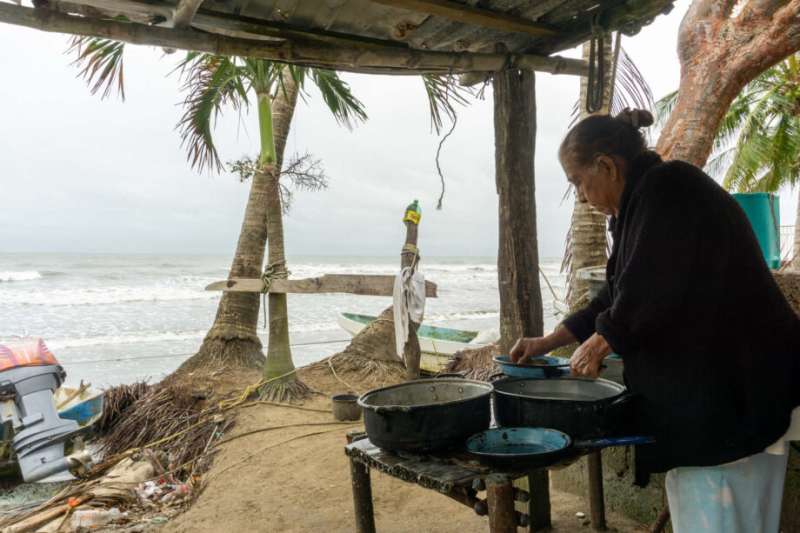
The communities are fishing villages that also function as local tourist destinations. Aurora Apolonia Martínez, a local fisher, described casting nets and finding them full of oil. Tourism service providers like Nicolás Vargas of Las Barrillas are watching visitors stay away from beaches that are visibly contaminated. Both livelihoods depend on the same physical environment, and both are simultaneously affected.
What the Information Gap Means for Affected Communities
The most significant problem at Jicacal, beyond the contamination itself, is the absence of an official explanation for its origin. Residents organised their own cleanup operation without any official communication about causation, scale, or remediation timeline. Cemda's identification of more than a dozen sites across two states indicates this is not a localised incident but a dispersed contamination event with a geographic footprint that implies a significant upstream source.
Veracruz is among Mexico's most active states for oil infrastructure, with both onshore and offshore Pemex operations in or near the coastal zone. The proximity creates a reasonable presumption of potential industrial origin, but Pemex's denial, issued without a full investigation publicly disclosed, has not been accompanied by an alternative explanation from any authority. The residents of Jicacal and Las Barrillas are managing an environmental emergency without knowing its cause, without a remediation timeline from responsible parties, and without clarity about whether the nearby lagoon, where communities farm fish and shrimp, is at risk of contamination.
That last point is the most acute concern. Coastal lagoons in the Gulf of Mexico are hydrologically connected to the open sea through tidal channels, the same connectivity that makes them productive aquaculture environments also makes them vulnerable if oil reaches the lagoon entrance.
The October 2025 Precedent and What It Establishes
The current contamination is not the first significant incident in recent memory. In October 2025, a Pemex pipeline leak on the Pantepec River in Veracruz resulted in approximately 2.7 million litres recovered from the river. That incident involved a defined cause and a defined responsible party. The March 2026 beach contamination has neither, which is what distinguishes it as a governance problem rather than simply an environmental one.
The pattern of incidents in the region, and the specific difficulty of attribution when oil appears on beaches near dense oil infrastructure, creates a context in which affected communities have limited recourse regardless of what ultimately caused the spill. Without official determination of cause and a legally identified responsible party, remediation obligations remain unclear and communities face the costs of cleanup and economic loss without a clear path to either compensation or accountability.
Frequently Asked Questions (FAQs)
Q: How many spill sites have been identified along the Veracruz and Tabasco coast?
A: Environmental organisation Cemda reported that since March 1, 2026, more than a dozen spill sites have been identified along the beaches of Veracruz and the neighbouring state of Tabasco on the Gulf of Mexico coast. The geographic spread across two states indicates a dispersed contamination event rather than a localised incident, suggesting a source with significant output rather than a minor localised leak.
Q: Has Pemex accepted responsibility for the spill?
A: Pemex has denied responsibility for the spill, stating that no leak or spill from its facilities caused the contamination. The company indicated it would conduct surveillance in the area but had not responded to subsequent requests for comment about whether that surveillance had produced new findings. No other party has been identified as responsible, and Mexican authorities have not publicly disclosed what caused the contamination.
Q: What makes the nearby lagoon particularly vulnerable to the spill?
A: Coastal lagoons are hydrologically connected to the open sea through tidal channels, which means oil reaching those channels can enter the lagoon environment. Aquaculture operations in lagoons, the fish and shrimp farming that communities in the area depend on, cannot relocate when water quality deteriorates. Contamination of the lagoon would affect growing stock, physical farming infrastructure, and water quality in an enclosed environment that recovers more slowly than open coastal waters.
Q: What was the October 2025 Pemex incident in Veracruz?
A: In October 2025, a leak in an oil pipeline in Veracruz resulted in approximately 2.7 million litres of oil being recovered from the Pantepec River. The incident preceded the March 2026 beach contamination and illustrates that Pemex's oil infrastructure in Veracruz has generated multiple significant spill events in recent years. The Pantepec River incident involved a pipeline leak with a defined cause; the origin of the March 2026 coastal contamination remains officially unattributed.
Q: Why are fishing communities organising their own cleanup rather than waiting for authorities?
A: In the absence of official remediation action and with no timeline provided by authorities, affected residents in Jicacal organised their own manual tar removal from beaches. This response reflects both the immediate practical need, contaminated beaches prevent fishing and deter tourism day by day, and a pattern common in Mexican coastal communities facing environmental incidents, where the gap between the appearance of pollution and any official response creates a situation in which self-organised community action is the only available near-term option.
Q: How does the oil spill affect tourism in Jicacal and Las Barrillas?
A: Both Jicacal and Las Barrillas function as local tourist destinations alongside their role as fishing communities. Visibly contaminated beaches directly deter visitors, and tourism service providers have reported that tourist visits have declined since the oil appeared. The dual impact on fishing income and tourism revenue means the spill is simultaneously affecting the two main economic activities of these coastal communities, with no immediate remediation timeline to allow either to recover.