





Mezcal: Mexico's Smoky Spirit Comes to Town
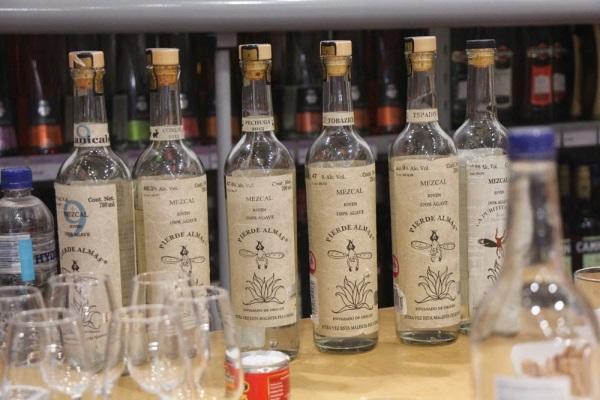
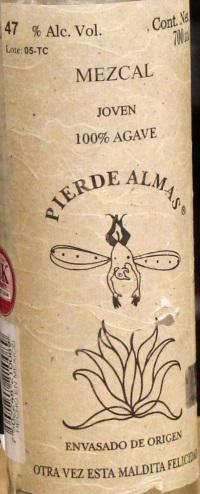
Pierde-Almas-range

Most people with at least a passing interest in booze will have heard of mezcal, but probably very few know what it actually is. Many will think that it is a bit like tequila but has a worm in it with hallucinogenic properties.* In fact mezcal is a more general term for a type of agave spirit of which tequila is just a specific example.


The people of South American have been making booze from agave in a traditional way for a long time: there are 200 different species that are used, and 150 that are just found in Mexico alone. But the distillers of the area where tequila is made started pressing for legislation to protect their particular version: “tequila” can only be made in the state of Jalisco and limited areas in the states of Guanajuato, Michoacán, Nayarit, and Tamaulipas and it must be at least 51% blue Weber agave (many premium examples are 100%), a strain bred for the purpose. Much of it is made under modern industrial conditions.
 1
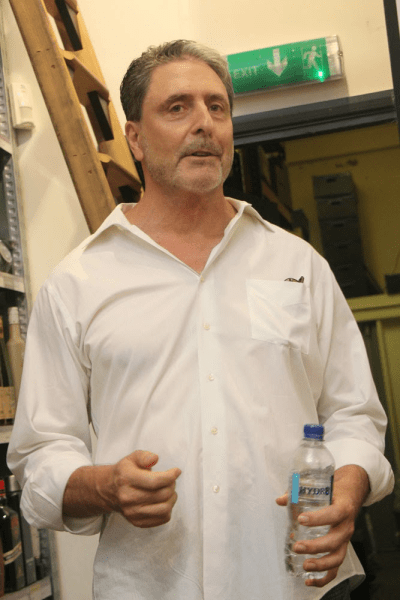
 Jonathan Barbieri

Everything else is mezcal.** But there is more to it than just the huge variety of agave that is used and the varied terroir. I was lucky to be invited to a masterclass at Amathus in Soho led by Jonathan Barbieri, the man behind the Pierde Almas brand. Jonathan is an articulate and engaging speaker and clearly passionate (sorry to use the P-word, but there it is) about both promoting this little-known spirit and protecting the traditions behind it. He explains that in addition to the variety of plants that go into mezcal—25–30 species in Oaxaca state alone, the region where he has his distillery—and the effect of different soil, traditionally each village will have its own style, and within each village there might be 40 families with traditions of their own. Mezcal is perfect example of an “artisanal” product, made by many people but typically as a sideline and essentially for personal consumption. For this reason, until recently you couldn’t even buy it in Oaxaca de Juárez, the state capital. Jonathan believes his products are “true” mezcal, tasting pretty much as it would have done 150 years ago.

Life most mezcals the Pierde Almas batches have no standard ABV (with the exception of the Puritita Verda, which is standardised at 40% to help barmen make cocktails with constant results). In each case the master distiller decides what ABV best suits that bottling. The examples we taste on this occasion are 48, 49, even 50.9%. (By contrast tequila, while permissibly between 35 and 55%, is typically 38–40%.) Jonathan explains that all kinds of natural factors affect the flavour: if it is cold the fermentation takes longer.*** If it is rainy water may seep into the oven pits where the agave is roasted prior to fermentation and cool the contents, reducing the level of smokiness imparted by heat. The maestros test ABV by dribbling some of the spirit from a bamboo tube into a gourd bowl. By observing the formation and behaviour of the bubbles (“las perlas”) they can gauge the alcohol strength accurately to within 1%. (Nowadays they also have lab equipment to verify their conclusions to comply with legal requirements, but they still use the old method in the first instance.)

2 
A mezcal maestro can gauge the alcohol percentage from
these bubbles

\The agave used is all wild. (Only about three species of agave are cultivated, including the blue agave used in tequila.) Jonathon describes the process: although the land is common land, you must first apply for permission to harvest specific plants, which you may have been monitoring as they mature over 20 years. You trek out with your mule train, perhaps for five or six hours, to a particular spot. Having harvested and trimmed the plant you carry it back to the mules—and it may weight 70 or 80 kilos. When all your mules are laden you trek back, then return the next day to start again. Given that the harvesting window between the rains and when the plants start to flower (at which point they can no longer be used) may be just a month, it can be a struggle to fill your oven. Most of the products we taste with Jonathan are made in quantities of just 300–900 bottles a year.

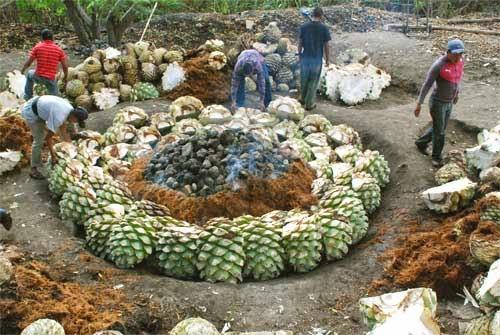
To convert the starch in the agave into sugar that can be fermented, the plants are roasted. Wood fires are used to heat stones in pits and the agave are placed on top and covered. To prevent singeing the stones are covered with mats of damp agave fibre, and the amount of this used will affect the smokiness of the finished drink. Likewise, some villages line the pit with stones, which will reflect heat back in on the agave, while others do not.
 3
 Loading the pit oven to roast the agave piñas

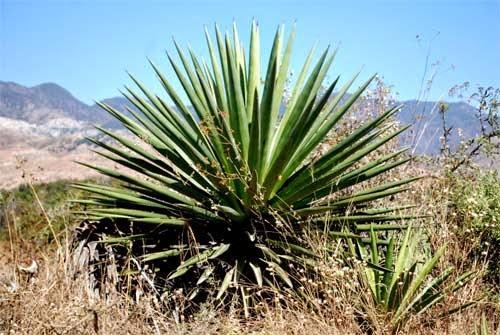
Pierde Almas mezcal is made from agave grown at 1800–2000 metres above sea level. The first samples we try are made from the Espadin agave (of which the blue agave is a variant). The Puritita Verda is simply the Espadin mezcal standardised to 40% alcohol. The nose is dry, in a pencil-lead way, like grappa, less herbal and fleshy than tequila, with a hint of white wine (perhaps Reisling). There is fruit in the form of grapefruit and pears, and a smoky tar/creosote element which gradually grows. (In fact I find with all these samples that this smoky element develops the more you slop and swirl it round the glass.) The palate follows through with a strong tarry smokiness married with grapefruit soda. The Espadin product is basically the same drink but bottled in this case at 50.9%. At first the nose seems quieter, barring a buttery quality. But as it opens up in the glass it emerges as much like the Puritita Verda. This continues on to the palate, with an element of oranges too.
4 
 The espadin agave

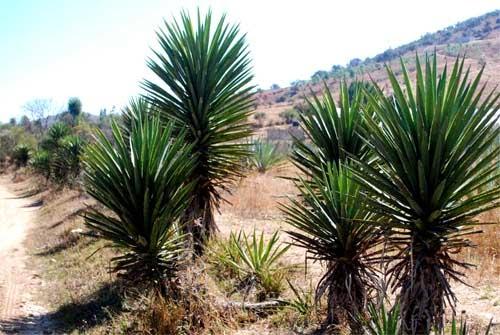
Next we try the Tobaziche mezcal, made from the tobaziche (“long agave”, or Agave karwinskii) plant. This is a complex species, appearing in different forms under different circumstances. This strikes me as fruitier than the Espadin but with a distinct dry, mineral quality, almost like wet plaster or clay, plus wood, grapefruit again and dry sherry. After a while I also get a meaty element, like salami. It’s a complex and evolving beast. The palate is smoky again but much less sweet than the Espadin.

On the subject of meatiness, the next example, Pechuga, is peculiar indeed. The spirit is double distilled then distilled a third time, but this time a turkey breast is hung inside the still. Yes, a turkey breast. In fact traditionally it is a chicken breast (pechuga means “breast”), but Jonathon, for all his respect for tradition, is not averse to experimentation. What effect does this meat have? No one knows, Jonathan admits. It starts off the size of a man’s hand and, by the end of the distillation, it is the size of a walnut. This alarms some vegetarians in the room—has the rest of the breast somehow entered into the drink? Jonathan explains that it is the spirit of the turkey rather than its flesh that passes into the drink. (I suspect that the shrinkage is due to muscle fibres contracting in the heat—I’m sure most meat contracts if you cook it on a high heat.)
5 
 The tobaziche agave

But there is more to this recipe than just the meat. Before the third distillation a selection of fruits and nuts are infused in the spirit. Jonathan admits they are not pretty—ugly, potato-like apples, small pineapples, black bananas, hawthorn, almonds and a touch of anise. So essentially it’s being made like gin, though obviously the “botanicals” don’t include any of the traditional gin ones (aside, perhaps, from anise). It seems to me that any attempt to establish the effect of the turkey breast in this process is rendered a bit pointless when there is all this other stuff in there as well! The nose is initially sweet, clear and bright, evolving to caramel and the characteristic smoke, some stewed fruit and something gamey. On the palate there is definitely pineapple, something floral, quite grappa-like; I couldn’t say I was tasting turkey.

To take his experiments further, Jonathan decided to switch not just from one bird to another but to another phylum, choosing the cottontail rabbit. Because of the season it took several days to catch just a few rabbits, and in the whole year they only made 340 bottles. The Conejo smells to me very similar to the Pechuga, though most of us feel that it is sweeter and less smoky. I get more of the apples on the palate (some get a distinct game character but I didn’t pick it up myself).
6 
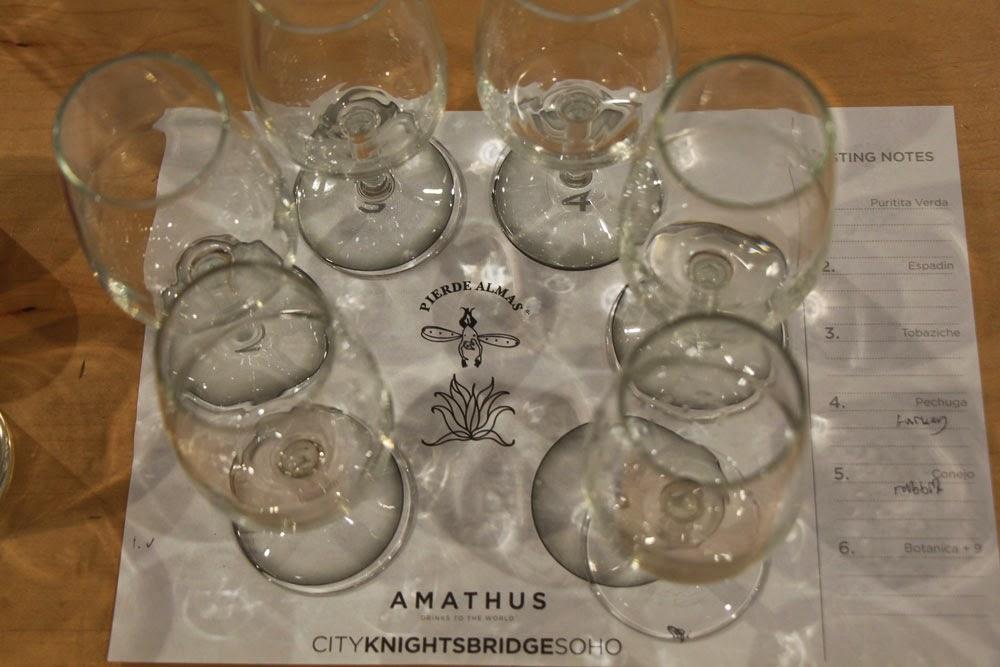
 As you can see, all the Pierde Almas products are unaged and colourless

As you will see from the photos, all the spirits look the same—there are no resposados in the range. Though mezcal is occasionally aged, it is traditionally drunk as it is, and certainly these examples, despite their high strength, do not need any softening in wood to make them palatable.

But Jonathan has one more trick up his sleeve—and indeed this is the whole reason DBS has come to the tasting. There is also a mezcal-based gin in the range, Botanica +9. Instead of infusing the botanicals, as with the fruit in the previous examples, they are vapour-infused—suspended in a hair net inside the still! The botanicals are juniper, coriander, fennel seed, angelica root, orris root, cassia bark, nutmeg and star anise. On the nose the juniper and orange are up front, with a sweet base and floral notes. The palate is dry with distinct elements of orange, coriander and orris. It has a nice “rustic” feel, but I don’t mean that it is crude, rather that you can clearly discern individual ingredients that went into it. I overhear DBS saying to Jonathan that, when he previously tasted the gin, he got more of the mezcal elements, but this time it just tastes like gin. But as with the whole range I think it is important to let the spirit open up in the glass: once again, after a while the smoky mezcal elements begin to emerge. I think this is a very interesting and worthwhile product.
71 
 

And as for the name, Pierde Almas? Jonathan has a story about that. His background is as an artist and once, while getting ready for a show, he had an assistant to help with preparing canvases. But the man had a habit of vanishing for days on end. Finally, after a week-long absence, Jonathan determined to find out where he disappeared to, which led to an obscure, inaccessible drinking den, where denizens nodded in a sepia atmosphere, while from behind a bar that was an incongruously colourful desk, mezcal was dispensed by a man with one eye, one arm, no teeth and a crippled leg. He was known as Pierde Almas, “he who loses your soul”.

It seemed natural that Jonathan would borrow the name when he came to make his own product. The fibrous paper used for the labels is handmade, originally to his specification to resist a lot of rubbing out while drawing. It has a range of components, including cotton, acacia, mulberry and agave fibres. The logo, drawn by Jonathan, is based on a painting by Hieronymus Bosch and shows a lost soul falling into the hellfire of an agave plant.

Sounds a bit gloomy. “The mezcal may have caused us to lose our souls,” Jonathon says cheerfully, “but we’re better off without them.”

[readon1 url="http://instituteforalcoholicexperimentation.blogspot.com/2014/07/mezcal-mexicos-smoky-spirit-comes-to.html"]Source:instituteforalcoholicexperimentation.blogspot.com[/readon1]




New Iconic Sculpture Planned for Marina Nuevo Vallarta

mari1

A new Sailboat Sculpture will be installed in the marina during the next solstice in the spirit of generating and promoting new attractions for the area. The inspiration was a young man with an adventurous spirit that visited the marina a little more than a decade ago.

The Marina Nuevo Vallarta is an area filled with restaurants and cafés where art, culture and cuisine are displayed in different forms. This is where the so-called “Sailboat Sculpture” will be installed, ready to become an iconic figure and the newest attraction on the Riviera Nayarit.

The work of art was conceived by painter Federico León de la Vega and developed with sculptor Octavio González (creator of “The Whale” installed at the Marina Puerto Vallarta as well as other pieces located in the region). In addition to the artists, Andrés Burzaco and local businessmen will all be working together for the inauguration during the next solstice on December 21, 2014. The sculpture will also double as a sundial.

The bronze piece will weigh over 2,800 pounds and stand nearly 10 feet tall with a span of over 11 feet. The sails will be made of highly polished steel in order to reflect the landscape.

A young man who left everything he had in order to lead a life of freedom and adventure provided the inspiration for the sculpture. His voyage from the United States to Nayarit was a dangerous one, but his conviction was the reason he’s now being given a place of honor in the history of the bay.

Federico, who received the 19-year-old youth, commented referring to the fact that the boy was hired just a few days after he arrived as crew aboard an enormous yacht that traveled the world: “He now travels more securely, with food and in comfort. I have no idea what happened to the boy. It’s possible that by interrupting his studies he won’t make it in life, but I’d rather think that thanks to his impulsive nature and his faith he’ll be successful at whatever he decides to do.”

The monument will be located to one side of Estudio Café, which was the first business to open in the area and is owned by the painter himself.

At the Marina Nuevo Vallarta the boardwalk becomes an art walk every weekend from November through May. Artists take this opportunity to showcase their work, from painting, dance and music to any other manifestation of art made with love.

The marina offers aquatic taxi services, as well as a public beach area for its visitors. As Federico says, “there is no better place to enjoy a day out, whether you’re walking, on your bike or even in a wheelchair.”

Enter to Win a 5-Day Vacation in Mexico!

wiEvery week, Ellen has huge giveaway just for her newsletter subscribers! This week she's giving away 5-day, 4-night vacation in Mexico!

Garza Blanca Preserve in Puerto Vallarta is an ultra-chic five-star resort spectacularly flanked by the Pacific Ocean and jungle-covered mountains, while Villa del Palmar Cancun faces white sandy beaches and the turquoise Caribbean Sea. Both offer world-class spas, breathtaking views, infinity pools and magnificent restaurants to make your vacation even more spectacular. What a decision to make! Subscribe here to enter for your chance win!

[readon1 url="http://www.ellentv.com/2014/07/17/enter-to-win-a-5-day-vacation-in-mexico/"]Source:www.ellentv.com[/readon1]

Letizia Ortiz Rocasolano Photos: See Spanish Queen Before She Was A Princess!

laetizia-ortiz1

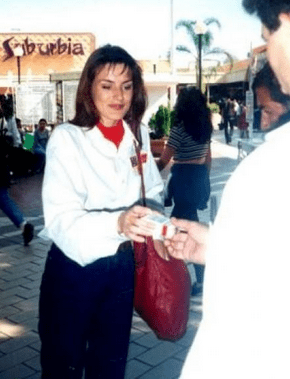
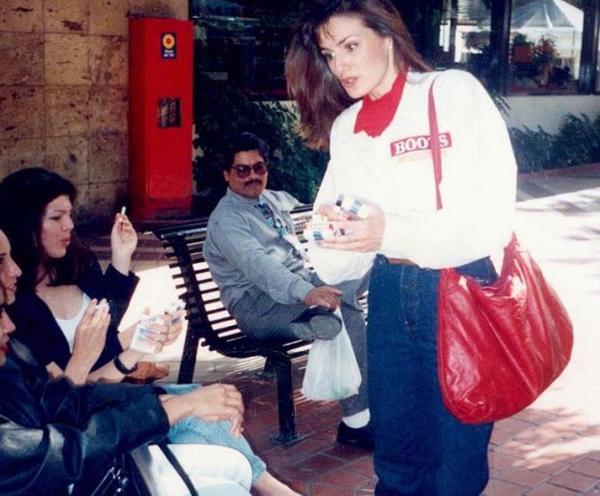
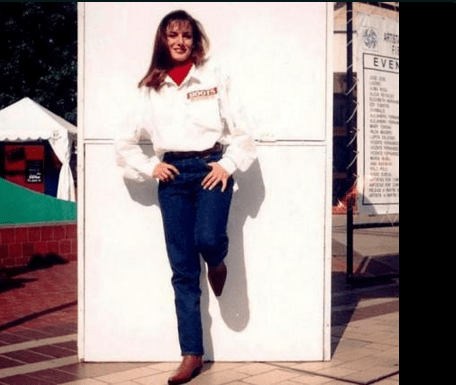
Letizia Ortiz Rocasolano may be the Queen of Spain today, but years ago when she was a student and lived in Guadalajara, Mexico, she had to work hard in order to become a renowned journalist. Letizia Ortiz studied journalism at the Complutense University of Madrid before beginning graduate studies in Guadalajara, where she was an assistant at a cigar shop. It took a few years before Rocasolano married into royalty.

According images released by the Daily Mail, in an article entitled "The Cigarette Girl Who Became a Queen: Pictures Reveal Spanish Royal Letizia Selling Tobacco When She Was a Student at Mexican University," the now wife of Philip VI worked providing information on a brand of cigarettes in order to earn extra money. Letizia and then returned to work for television in SPain at CNN + and TVE.

It was while working for TVE that she met Philip, who proposed in 2003 and married Rocasolano in 2004. When King Juan Carlos I abdicated the throne lat week, Letizia became Queen of Spain. "We have a great country, we are a great nation -- let us trust in it,” said King Philip at the coronation ceremony. The proclamation and reception possessed more of a military-style quality, while no foreign leaders were invited.


  BstECVNCIAAvXdw 1     Untitled
       
   LET2    LET3

[readon1 url="http://www.latintimes.com/letizia-ortiz-rocasolano-photos-see-spanish-queen-she-was-princess-192703"]Source:www.latintimes.com[/readon1]

The Government of the People brings help to the victims of "Cora de Abajo"

COLLAGE1

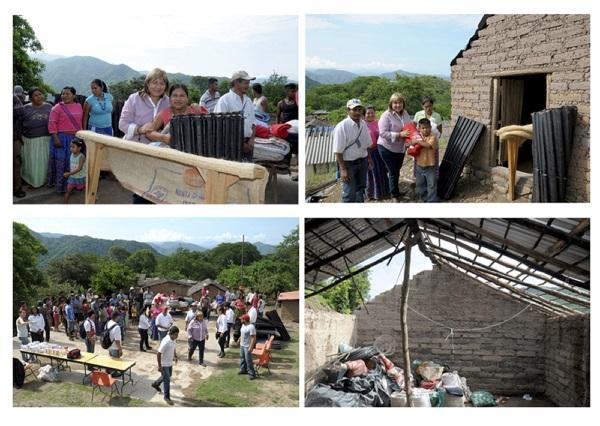
The families affected were given medical care, and were endowed antialacránico serum, among other supports like sheets tied to the roofs of their homes, cots, blankets, mattresses and pantries

Tepic, Nayarit/16 July 14 -. The Government of the People concerned about the safety and welfare of the less fortunate and need quick attended this Wednesday and timely manner called the affected families of the indigenous community of Cora Below with the delivery of highly sought support because of the storm that erupted last for days in the capital of Nayarit and heavily damaged the homes of the area.

Accompanying the actions of the Government of the People and on behalf of the state executive, Roberto Sandoval and the president of DIF Nayarit, Ana Lilia Lopez de Sandoval Senator Margarita Flores Sanchez went to the affected community, where he was received with great affection for the people who happy received great support as sheets as the wind whipped the roofs of houses, plus cots, blankets, toys and blankets for children were provided antialacránico serum and likewise care was given to children and adults.

Margarita Flores stated that the Government of the People is always and will closely follow those most in need and the people of Cora de Abajo not be the exception, "by Roberto Sandoval and his wife Lilia Lopez Ana Sandoval, such losses will recover, because we will not let it alone, "he said.

Over a hundred people that make the families of the community were deeply grateful and happy with the Government of the People stated that they will continue together to overcome this setback and certainly with the current administration, Cora de Abajo rise again to their families have a better quality of life.

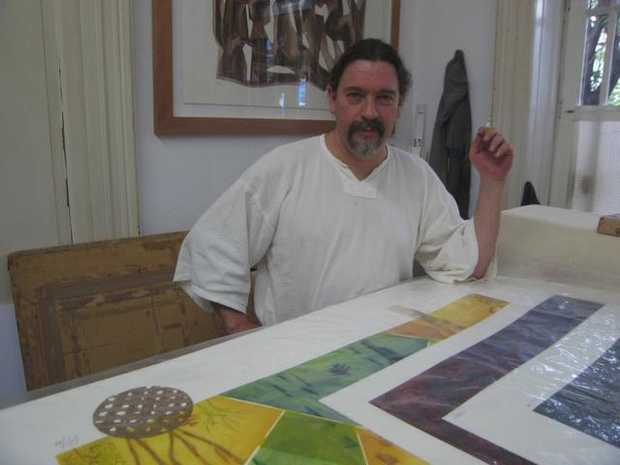
When Mexico’s tax time comes, artists get busy with the brushes

l7qHv.AuSt.39

MEXICO CITY — When the taxman calls, artist Teresa Cito doesn’t wince. She knows the state isn’t after a single peso.

The taxman wants a donation of her artwork.

An unusual program in Mexico allows painters, sculptors and other artists to donate part of their annual production of artwork to the state in lieu of paying taxes. The program, begun in 1957, has helped the government amass a huge collection of contemporary art. It’s also left artists such as Cito content, free from worry about tax forms and audits.

“I don’t even have an accountant,” Cito said.

The program is so simple she doesn’t need one. If she sells up to five pieces in one calendar year, she donates one of equal value to the state. If she sells six to eight pieces, she donates two. The sliding scale continues until an artist gives a maximum of six pieces.

Cito, who does colorful oil paintings as well as stark chalk drawings on paper, doesn’t slough off her lesser work to the state. She knows it will be exhibited, perhaps in a government ministry or museum, or a Mexican embassy abroad.

“My priority is to offer a nice piece,” Cito said, praising the program known simply as Payment in Kind. “I admire it very, very, very much. The government says, ‘Pay your taxes in artwork. Keep on painting.’ ”

Hundreds of artists take part, and it’s hard to find one with even the faintest hesitation. Many hail the program as unique in the world.

“I think it’s fantastic,” said Naomi Siegmann, a sculptor born in New York who’s lived in Mexico for five decades. Her tax payments are on display “in offices all over the country, government offices as well as public buildings.”

Siegmann said got a thrill when she saw one of her pieces _ often large hyper-realistic objects carved in wood _ gracing a public space.

“I walk in and see my work hanging or on pedestals. I think, ‘How nice!’ ” Siegmann said, adding that she recalls seeing one in the boardroom of the Secretariat of Foreign Relations.

“Every big artist is in this program. I mean the top, top artists. It’s not just the new artists, the beginners,” she said.

The program is thought to have had its genesis in a 1957 encounter between a tax official and David Alfaro Siqueiros, a muralist and painter of social realism, who related how an artist friend faced jail time for not paying taxes.

“Siqueiros vehemently argued that a painter knows nothing about accounting or complications of tax law. The only thing we have, he said, are pictures, and if you like, we can pay our obligations to the government with the delivery of some paintings,” the tax official and eventual diplomat, Hugo B. Margain, later wrote.

“It doesn’t seem like a bad idea, I told him,” Margain wrote.

The program was approved, and since then the federal government has taken in 4,394 works of art, said Cristina Lopez Beltran, an official at the Tax Administration Service who oversees execution of the Payment in Kind program. Lopez Beltran.

A rotating committee of seven artists and curators evaluates proposed donations to see whether they fairly represent the body of work of a given artist.

“More than evaluate the monetary value of a work, the experts decide if the work is representative of the artist’s oeuvre,” Lopez Beltran said.

Curators said the program had generated good will among artists, helped amass an impressive collection of some of Mexico’s most renowned artists and beautified the walls and open spaces of public buildings.

“It was a totally visionary thing to do,” said Patricia Sloane, a former gallery owner who’s now adjunct curator of the University Museum of Contemporary Art in the capital. “The artists have a much more generous attitude because they know their work will be shown in a museum.”

If the program has a fault, it may be that the state takes too much art, some of it of dubious quality that ends up gathering dust in vaults. Lopez Beltran said changes were in the offing to reduce the number of donations and to ensure they were of higher quality.

“There are many very bad artists who pay in kind,” said Victor Guadalajara, a sculptor, wood craftsman and lithographer. “It’s deceitful. One supposes that the committee doesn’t have members with the background or level to be there.”

Of course, not every artist who makes a living from selling his or her work is endowed with prodigious talent. Mexico has plenty of artists who sell their work at park fairs or in markets. They, too, have a right to take part in the program even if the state finds itself swimming in work that might not belong in a museum.

Still, the overall collection contains works by some of Mexico’s most renowned painters and sculptors.

“All the important artists from La Ruptura, which is the generation after the muralists, are in there,” Guadalajara said.

Artists such as Francisco Toledo, the Zapotec painter from Oaxaca who’s one of the nation’s most acclaimed living artists, British-born sculptor Leonora Carrington, painter Juan Soriano, who was part of the Ruptura vanguard that broke away in the 1950s from the nationalist imagery of the muralists, and Rufino Tamayo, a leader of the Mexican 20th-century renaissance, all have works in the Payment in Kind collection.

The collection even has three paintings by Diego Rivera, the greatest Mexican painter of the 20th century; an accomplishment, given that he was on his deathbed the year the program was founded.

Widely known artists endeavor to donate work they’re proud of.

“They are aware that their pieces may be exhibited not only in Mexico but also abroad,” said Jose San Cristobal Larrea, the head of the Cultural Promotion division of the Secretariat of Finance. “They don’t dare donate works of bad quality.”

San Cristobal said authorities were careful not to pass judgment on the work collected from artists, conscious that high artistic talent wasn’t always self-evident.

“Emerging artists who aren’t important today might be important tomorrow,” he said.

About 30 percent of the works collected by the state under the Payment in Kind program are listed as national patrimony, San Cristobal said.

“They form part of our itinerant collection. We have 15 to 20 expositions put together that we send out to museums,” San Cristobal said, noting that exhibitions have been or will be shown this year in museums in countries as varied as Turkey, Israel, India, Georgia, Venezuela, Thailand, Bolivia and Saudi Arabia.

In recent years, photography has been included in the program. Lopez Beltran said the tax service was studying whether other kinds of artistic expression might be included, perhaps theater or performance art, which would be recorded and shown time after time.

Guadalajara said part of the charm of the Payment in Kind program was its simplicity. No matter how much an artist earns, the formula stays the same.

“They don’t ask you how much you earned. They only ask you how many pieces of artwork you sold,” he said. Because he sells quite a few pieces a year, “I’ve always paid with six pieces, the limit.”

With that, the taxman is happy.


[readon1 url="http://www.bellinghamherald.com/2014/07/15/3751562/when-mexicos-tax-time-comes-artists.html"]Source:www.simplyvallarta.com[/readon1]

5 Reasons You Have to Experience the Rainy Season in Puerto Vallarta

rainyseason

Sure it rains everywhere. But if you haven’t spent time in a tropical location during its rainy season, you don’t know rain. Spending a summer in Puerto Vallarta during the rainy season is true travel experience not to be missed, and here are five reasons why:

1. It’s Just Impressive – The summer months are like clockwork; the mornings/early afternoons are beautiful and sunny and then around 5 o’clock, the clouds roll in, the sky opens up, and it pours all night. And I mean pours.

It rains so hard you can’t see, and the streets literally become rivers. No lie, I’ve seen cars floating down my street, which, as I said, is pretty freaking impressive.

2. It’s Like a Snow Day – Anyone who lives in a city that gets snowy winters can attest to the awesomeness of a snow day. Businesses shut down, cars get snowed in, and everyone bundles up and heads to the bar to hunker down for the storm. The same happens here in PV, minus the bundling up. I was at Blake’s Sports Bar last night when the rain started and this old man who had just asked for his tab took a look outside, turned to the bartender, and said with a grin, “Better keep that baby open.” Needless to say, we became fast of friends as the rain fell, which brings me to reason number three…

3. It Creates Instant Camaraderie – Also like a snow day, the monsoon-like summer rains of Puerto Vallarta bring people together in a sort of “us against the storm” kind of way. You can’t help but to smile and laugh with the person next to you who also forgot their umbrella. When you finally arrive at your destination after getting caught in the rain, you always arrive to open arms (and often free tequila ;)) as everyone inside appreciates the aquatic beating you just survived.

4. It’s Good Fun – Who doesn’t love that feeling of release that comes when you realize it’s futile to fight to stay dry and you just say: “Fuck it, let’s get soaked.” You feel like that Singing in the Rain guy as you splash your way through the streets. It’s pure joy, like a baby in a bathtub. The other night my girlfriend and I bought two pairs of big rubber boots and stomped our way through the rain to a local cantina where we drank Tecates amidst the thunder and the lightening. It was just… awesome.

5. It Builds Appreciation – I must admit, as fun and impressive as the rainy season can be, by the end of those three of four months, you’re over it. But then just as you begin to turn crabby, the weather breaks, the humidity lifts, and you look around and go Holy crap, everything is so bright and lush! The rainy season not only quenches the thirst of the dried up Mexican earth, it also prepares you mentally to really appreciate the ridiculously perfect weather of Fall and Winter in Puerto Vallarta. To those readers who have braved a rainy season in Puerto Vallarta, what do you think? What would you add to this list of reasons to experience the summer months of PV?

photo courtesy of Mattock Photography

rainy-season-puerto-vallarta

[readon1 url="http://www.simplyvallarta.com/5-reasons-rainy-season-in-puerto-vallarta/"]Source:www.simplyvallarta.com[/readon1]

Government Support to People Affected by Cora de Abajo

COMUNICADO PC 1

Victims of rainfall supported by Government of the People

The Government of the People, by elements of the Department of Civil Protection and Fire Nayarit, and accompanied by staff of the Public Prosecutor's Office and the Army, attended the Monday morning to Cora de Abajo community, Municipality of Tepic, in order to carry out a survey of involvement by the registered strong winds Sunday night, said the Director of the agency, Martin Tapia Miranda.

The state official said that in total 14 households were affected and 53 people, and explained that indications of the Governor of the State went to the upper area of ​​the municipality by the Apache helicopter to immediately support the inhabitants of the indigenous community recovery of their homes.

"Some of the 14 homes lost roofs completely and others partially, causing the loss of belongings such as mattresses and blankets, fortunately only material losses and directions of the Governor is to provide all necessary support either sheets, blankets, mats and whatever is necessary for these people to return to normal, and the lifting is being done to see actually that much material will be needed to support these people who were affected in the upper area of ​​the Municipality " noted.

Tapia Miranda added that heavy rain was recorded on Sunday, but in itself which caused the disaster were strong winds, in addition to the effect on households, also brought down many trees in the area.

COMUNICADO PC 2

COMUNICADO PC 3

University works recognize and support the Government of the People

COMUNICADO UAN  3

Students from the Autonomous University of Nayarit (UAN) welcomed the support provided by the Government of the People at this university, through various works that paid to the safety of the university community.

Weighted to institutional support as ever this translates into better quality of facilities generally are renewed now accesses are continuously monitored and the perimeter Bardeo comes to ensuring the integrity of the university community.

They said that with the reliable support of the Government of the People, the commitment of the university community have towards their community invigorates and renews, beyond the role that each person plays, they all correspond to seek support in turn received as students.

In this regard the nursing student Octavio Hernández said: "It is great that the government can actually worry for the University, our university, because in reality we students need good infrastructure to do better. That which made ​​the whole University bardear I think is perfect for safety, which is already controlled access right now. "

For its part, also a student of the faculty of nursing at the UAN, Pamela Vazquez, said: "It makes me very good works because we too are things that we needed here as long, and they have been very efficient the works very well positioned, very well made, very good. I think so much commitment and because we are all united, because as this is all. "

Meanwhile, student accounting and administration, Kupuri Tortolero said: "Very favorable for college, mostly for safety we have to cross streets and the best places to take us. It benefits mostly supports giving the governor directly to college, such as scholarships for further study. Yes there is a big commitment and I do think they are doing a great job. "

The worker at the Autonomous University of Nayarit, Jesus Sanchez, said: "We as employees of the University have here the CENDI of our children and all when leaving at two in the afternoon, right now there are more fluent by the number of lanes out there. They are fine works. Thanks to the State Government is doing good works, which is the periphery of the University and we are benefiting. "

Works with tangible and real use to the university community, the Government of the People patentiza its commitment to highest seat of learning of Nayarit.

COMUNICADO UAN  1

COMUNICADO UAN  1

Chihuahua White Pine, Pinus strobiformis

Chihuahua-White-Pine

Chihuahua white pine (Pinus strobiformis) is found in the Sierra Madre Occidental Mountains in Northern Mexico as well as in southern Mexico through Chihuahua and Durango to Jalisco. This pine has also been found growing in the US in AZ, CO, NM, and TX. Other common names include Border pine and Southwestern White pine.

The Chihuahua white pine is a small to medium sized tree growing to heights of 50-80 feet with a height of 98 feet in perfect growing conditions. This tree likes to grow in well-drained sandy/loam soils mostly in high elevations on steep foothills or mountains. The Chihuahua pine is drought tolerant and shade intolerant, with some resistance to wind. The trunk diameter of this pine is between 30-60 inches wide with the bark being light grey when immature and maturing to a dark brown with deep grooves. The needles grow in bundles of five and measure 2.4-4 inches long. The cones measure 2.8-9.8 inches long with the wingless seeds measuring 0.4-0.5 inches long. Seeds are dependent upon birds to spread beyond the parent tree.

The wood from this tree is used for building furniture and doors in Mexico. The seeds are edible and can be eaten raw or cooked, or ground into a powder. Native Americans used the seed as it is rich in oils, is soft and has a slight resinous flavor.

Image Caption: Chihuahua white pine (Pinus strobiformis). Credit: Wikipedia (public domain)

[readon1 url="http://www.redorbit.com/education/reference_library/plant_kingdom/conifers/1113190658/chihuahua-white-pine-pinus-strobiformis/"]Source:www.redorbit.com[/readon1]

LGBT Confex Brings LGBT Business Forum to Colombia's Equality Week

22222

New York, July 14, 2014 - Latin America's leading LGBT business network, LGBT Confex, has developed and produced an LGBT Business Forum for Bogota's Equality Week to be held in the Colombian city from October 02- 04. The forum will focus on the needs of LGBT Business Market and will be the first of its kind in the country.

The LGBT Business Forum will be held at Camara de Comercio de Bogota - Chapinero and will be a B2B and consumer event targeting the LGBT with every element of this event designed to maximize networking business and educational opportunities in addition to, educational and social opportunities, making the experience as complete as possible for all participants.

LGBT Confex was invited to attend Bogotas's Equality week by the City's government.
The new event will include presentations from government, business and community leaders and is focused on delegates better understanding how the 6% of Colombia's population who comprise the LGBT communities are the same as - and also different from - the mainstream population of Colombia.

Alexandra Torres, Director of the Greater Convention Bureau of Bogota said: "Being chosen as the host city for the 5th LGBT Confex Business Forum 2014 is a great honor for us. Bogotá is a dynamic capital, full of energy, culture, colors and flavors that promises them a quality event ... That is our duty! Promises a unique and magical event. "

CEO of LGBT Confex, Ruben Sandoval, said "We are often asked to bring an LGBT Confex business event to different places, "Since we started bringing business, non-government organizations and companies together to learn more about LGBT people in Mexico in 2011, this is the first time we have produced an event in another country. The support we are receiving from everyone in Bogota and Colombia is much appreciated by us and we are very much looking forward to bringing opportunities of networking and education that are world-class for delegates in Bogota this October."

Education presentations and workshops will be included from many leading global LGBT thought-leaders. Selisse Berry, head of Out & Equal Workplace Advocates, based in San Francisco, USA - focused on LGBT diversity in the workplace - is to host a roundtable discussion on workplace issues. Ian Johnson, Founder and CEO of Out Now Global - the world's leading LGBT consulting organization - is based in the Netherlands and is presenting findings from LGBT2020, the world's largest LGBT market research program as well as best-practice marketing case studies, showing how LGBT people are helping redefine business across Latin America - and around the world.

For more information or to register as a delegate contact Horacio Horta This email address is being protected from spambots. You need JavaScript enabled to view it.
Media Contact:
Carlos Lopez - This email address is being protected from spambots. You need JavaScript enabled to view it.
Andres Reyes - This email address is being protected from spambots. You need JavaScript enabled to view it.


ABOUT LGBT CONFEX
Latin America’s leading LGBT Business Network is LGBT Confex http://www.lgbtconfex.com. Established in 2011, the organization has quickly demonstrated its capabilities to put together a professional team with staff that brings many years in event management and business networks expertise. Following the success of their inaugural event in 2011, LGBT Confex doubled in scale with its 2012 edition in Cancun and continued its growth in 2013's International LGBT Business Expo in Guadalajara, Mexico. In 2014 the 4th edition was held in Puerto Vallarta in June.

Construction of Social Revolution Advances Avenue 40%

COMUNICADO SOP 3

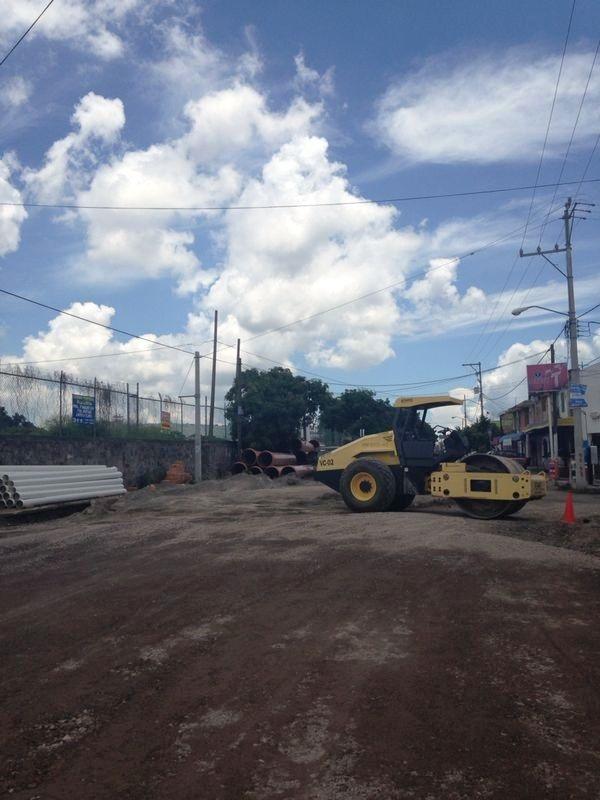
With an investment of 40 million pesos the Government of the People is building the new Social Revolution Avenue in Nayarit capital work to date shows an increase of 40 percent, as reported by the responsible office of the Ministry of Works Public state Avila Ignacio Ruiz.

He explained that this important avenue will have the same features of the great works driven by the Governor of the People, Roberto Sandoval Castañeda, then have a renovated drainage system and drinking water, underground networks, street lighting and signs and respective fittings.

With a length of just over ½ mile, Avenue-from Culture to Priscillian Sánchez-avenue, the avenue revolution has become a major traffic artery vent in the city Avila Ruiz said.

"The demand for modern and functional roads has grown while traffic has increased in the city, only Revolution Avenue traffic flow is approximately 20 thousand vehicles per day. This definitely wearing significantly the asphalt today through the efforts of our Governor Sandoval Ro berto continue with the modernization of roads capital with the construction of this new avenue, "he said.

In this work we work in the same way that once the street Zacatecas, ie for blocks, this with the sole intention of impeding the passage was constructed as little as possible. Currently work is performed in the dirt section Avenue street culture Vicente Guerrero.

COMUNICADO SOP 2

Government of the People Delivery Stimuli Rural Brigades

COMUNICADO SEMANAY 4

The Government of the People made the second stimulus delivery equipment and wildland fire protection to a total of 220 fighters from 22 local rural brigades which are distributed in the 12 municipalities facing major problems in forest fires.

The government headed by Roberto Sandoval Castañeda stresses the importance of community brigades because they live in nearby places where accidents happen and can promptly address these cases, achieving significantly reduce damage to the environment, a strategy that has worked well.

With this action the Government of the People temporarily creates jobs, supports community brigades that deal to help fight forest fires that occur throughout the state, and at the same time takes care of forests and green areas.

COMUNICADO SEMANAY 2