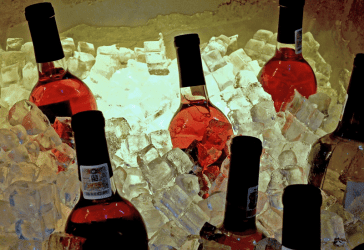
 Most of the time when we want to buy a wine of many varieties that there is no know how to choose the best to accompany a delicious dinner or lunch , for that we give you some recommendations and have in mind when you're in front of a bottle of wine.
The wine must always harmonize aroma and taste of the ingredients of the dish that is eaten , but must never overshadow or dominate. Conversely components of a dish must not nullify the presence of wine , or smell, or taste but if they have a residence on the palate for the full enjoyment of it.
Wine Café Des Artistepuerto Puerto Vallarta
The taste intensity of the wine must be relative to the current taste of the dish, so that none of them fall short and master the flavors of the other. All wine can perfectly accompany the food premises provided they are taken into consideration.
The general rule says that white wine is for fish, red for meats and generous sweet or dessert . This can be altered depending on the degree of satisfaction of each individual for one or other wine, ie, can combine your favorite wine with any food .
Importantly taste perception is divided into four essential elements: sour taste, bitte, sweet and salty taste. It is crucial that when linking wines and cuisine of choice pairing is correct.
6 Elements of Food and Wine Pairing
There are a few elements that make both red wine and white wine pairings work, and they’re derived from characteristics of the food and how they mingle with those of the wine. These are: fat, acid, salt, sweetness, bitterness and texture.
Fat Element
A lot of our favorite foods, both meat and dairy products, have high levels of fat. Wine doesn't contain fat, so when matching a wine with fatty foods, remember that it has to balance that fat with acid, cut it with tannin, or match its richness with alcohol.
This is why a prime cut of steak tastes so good with a cabernet-based wine; the beef’s protein and fat softens up the wine’s mouth-drying tannins. This sets up the tongue for the wine’s fruit and berries and forest flavors to complement the smoky, meaty flavors of the steak.
Acid Element
Acid is another key element in both food and wine. In wine, it adds nerve, freshness and lift. It can do the same with food, as when lemon is squeezed on a fresh piece of fish. When looking for a wine to go with an acidic dish, you should make sure that the perceived acidity of the wine is at least equal to that of the food, or the wine will taste bland and washed out.
Salads are often a challenge for wine matching, but you can make it work if you moderate the acid in the dressing by cutting back on the lemon juice or vinegar. Try using some tangy, bitter greens and offset them with herbal flavors from sauvignon blanc or semillon.
Salt Element
Salty foods seem to limit your wine choices. Salt can make an oaky chardonnay taste weird, strip the fruit right out of a red wine and turn high alcohol wines bitter. But with a bit of imagination, you can conjure up some remarkable combinations of salty foods and sweet wines. Bleu cheese and Sauternes is another one of the world’s classic food and wine combos.
Sparkling wines are a homerun with salty, fried foods. The carbonation and yeasty acids emulate beer and clean the salt from your palate, while adding more interesting textures and flavor nuances. Salt is also a principal flavor in briny seafood such as oysters. Acidic wines clean out the salt and balance the rich ocean flavors of the oyster.
Sweetness Element
Sweet desserts and other sugary foods seem easy—just pull out a sweet wine—but beware. Here’s where a rule really needs to be observed.
There are degrees of sweetness. Some recipes will have just a hint of sugar, such as a fruit sauce served over a pork loin. This light, fruity sweetness can be matched very well with rich white wines such as chardonnay. Higher alcohol tends to give an impression of sweetness, and balances the sugar in the sauce.
With desserts you must be certain that the wine tastes sweeter than the dessert; otherwise the dessert will strip the wine of its sweetness and render it bitter or tart. Though red wine and chocolate is a combination often promoted by the wine industry, you have to be very careful about it. Use a bitter, dark chocolate and a red wine with some sweetness, such as a late harvest zinfandel, and it can be quite wonderful. But a sweet chocolate dessert and a dry red? Terrible!
Bitterness Element
What about bitter flavors? In some cultures, bitter flavors are prized, but most of the time they are to be avoided. Anything more than just a hint is likely to be perceived as unpleasant. In wine, bitterness usually results from unripe grapes, or a failure to get the stems and pips (seeds) out of the fermenting tank, or mismanaged barrels. When bitterness in wine meets bitterness in food, it acts the opposite of sugar. One does not cancel out the other; they merely combine.
Texture Element
As for matching textures, think light and heavy. Light foods are best with light wines; heavy foods with heavy wines. That’s the safest way to go about it. A more adventurous path is to experiment with contrast: matching light foods to heavy wines and vice versa. This will require more testing, to keep the tension dynamic and avoid having the lighter flavors over-shadowed by the heavy ones.
For every rule of wine pairing there is, you will often find just as many dissenters. However, the most important rule of all is to trust your own palate and enjoy!
Need a place to start? Here are some great combinations:
Red Wine Pairings
Pork Chops with Pinot Noir Demi-Glace with Oregon Pinot Noir
Wild Rice Salad with Mushrooms with Cabernet Franc
Duck Breast with Caramelized Apples and Red Burgundy
Lamb Shanks with Olives and Beaujolais
Portobello and Red Pepper Burgers and Carneros Pinot Noir
Grilled Salmon with Olive Butter and Orzo and Russian River Valley Pinot Noir
Lamb with Apricots and St-Joseph
Spicy Grilled Shrimp Stew and Mencia
Moussaka and Agiorgitiko
Roasted Asparagus with Aceto Balsamico and Chianti Classico
Steak Frites and Sonoma Zinfandel
Penne with Bacon, Swiss Chard, Jack Cheese and Pecans and Washington Syrah
Roast Duckling with Merlot-Chocolate Sauce and Roasted Beets and Long Island Merlot
Baked Rigatoni with Eggplant and Sausage and Primitivo
Slow-Cooked Rack of Lamb and Napa Valley Cabernet Sauvignon
Rose Wine Pairings
Tomato Salad and Bandol Rose
Tuna and Egg on a Baguette and Tavel Rose
Vegetable Soup and Cotes de Provence
Bouillabaisse with a Spanish Rose
White Wine Pairings
Avocado, Tomato and Spinach Crepes with New Zealand Sauvignon Blanc
Mussels Provencal and Chilean Sauvignon Blanc
Chicken Sate Burgers and Australian Chardonnay
Spaghetti with Cockles and Greco di Tufo
Wild Mushroom Soup and California Sauvignon Blanc
Cucumber Soup and New York Riesling
Vietnamese Steak Salad and Gewurztraminer
Chicken Tostadas and Vouvray
Chicken and Mushroom Paellas and Albarino
Linguine with Shrimp, Scallops and Clams and Tocai Friulano
Pork Loin with Cider-Madeira Sauce and Pinot Blanc
Crispy Artichokes and Soave
Pesto Pasta and Vermentino
Chilled Corn Soup with Crab and Australian Chardonnay
Tomato Gazpacho with Avocado and Lobster and White Bordeaux
Squash Soup with Basil and White Burgundy
Grilled Whole Red Snapper and Ratatouille with a White Rhone Blend
Champagne and Sparkling Wine Pairings
Smoked Salmon and Caviar and Brut Blanc de Blancs
Chicken Liver Pate and Nonvintage Brut Rose Champagne
Summer Melon Salad and Prosciutto and Prosecco
Duck Breast with Spaetzle, Chanterelles and Spinach Puree and Vintage Brut Champagne
[readon1 url="http://www.cafedesartistes.com/BLOG/es/"]Source:www.cafedesartistes.com[/readon1]








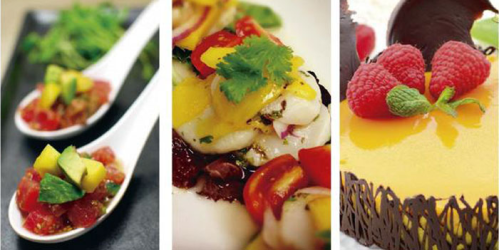 As in years past, The River Cafe has just announced the seventh edition of their annual Garlic and Mango Summer Festival, to take place June 1 - July 31. During this time, the restaurant will feature a special menu with choice items in which garlic and mango are prominently used. To keep things simple, the prestigious restaurant follows a format similar to that of Restaurant Week, in which dinner guests have several choices of appetizers, main courses and desserts. The River Cafe throws in an additional amuse bouche for starters.
 Guillermo del Toro Gómez is a critically acclaimed Mexican film director known for his fiction, fantasy and war films. The Mexican director is most known for his work on the Hellboy comic films and the fantasy film Pan's Labyrinth.
 Hundreds of motorcyclists from around the country and beyond the borders are coming together from June 5th through the 8th to experience the party that rockets occupancy to 100% in La Peñita de Jaltemba, Los Ayala and Guayabitos.
 Mexican ranchera singer Vicente Fernandez said he was feeling better and planned to resume his farewell tour in September.
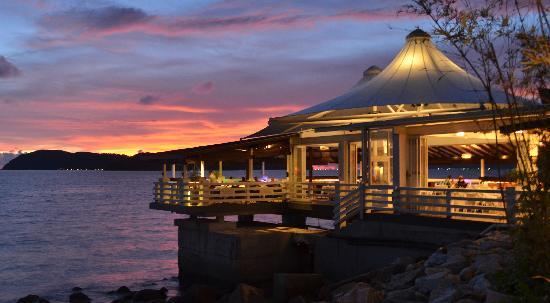 The American Academy of Hospitality Sciences has awarded eight Puerto Vallarta restaurants with the prestigious Five Star Diamond Award, considered to be the most notable accolade a restaurant may receive, in recognition of their fine gastronomy.
 The event held at the Mandalay Convention Center featured a flag of Mexico where brands and designers were : Gold Bowled , Sabelli , Torco , Fine Chain Jalisco, Mexican Opals and Crafts , Madisa Jewellery Platoro , Oroexcel , Gary Jewels , Ana Diaz Kika & Ortiz Espinosa, Luz de Luna and Broqueles Covarrubias.
 Located in the Puerto Vallarta area, we are the newest development offering lots, villas, fabulous real-estate investments and much more! Puerto Bahia Villas and Spa is a blend of old world Mexico and contemporary luxury on the most beautiful bay in the pacific, the Bay of Banderas. The new world - class Marina La Cruz is just minutes away which is within a short walking distance to the beach.
 In order to provide services with quality and warmth through programs of the Department of Child Protection (DPI), the Voluntary System of Puerto Vallarta DIF, chaired by Cecilia Ulloa Zámago, reopened their facilities on Wednesday to serve approximately one thousand children and youth.
 In the first week of June, Puerto Vallarta, one of Mexico's most popular destinations, will host International Living's Ninth Annual Ultimate Retire Overseas Conference. The conference, which takes place from Wednesday, June 4th through Saturday, June 7th and address many different topics concerning retiring overseas and living abroad.
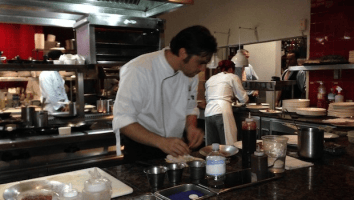 During my most recent trip to Puerto Vallarta, Mexico, during the annual Festival Gourmet International, I had the opportunity to sample a lot of mouthwatering Mexican cuisine. When I wasn’t swimming with dolphins, enjoying great live music and taking fascinating day trips to historic colonial towns, it seemed like most of my time was spent eating. (The next Festival Gourmet International takes place November 13-22, 2014, and will bring chefs from around Mexico and abroad to this Pacific coast vacation hotspot).
 Make room on your calendar for Friday, May 30th from 9:00 AM CDT to 5:00 PM CDT and stop by the #RivieraNayarit Twitter Party to post your pics, videos and thoughts on the Riviera Nayarit—every destination will be highlighted during the event, from Novillero to Nuevo Vallarta and the coastal towns of Santiago Ixcuintla, San Blas, Compostela and Banderas Bay.