puerto-vallarta-winter-is-coming 54946620cde94

Residing with four clearly defined seasons exposes you to a broad variety of experiences, adventures, and living. But after just so many wintery days, there comes a time to escape the cold and snow, and travel to a breathtaking location of sun, sea, and sand, somewhere where you can warm up, in a place which offers non-stop activities ranging from leisurely to extreme.

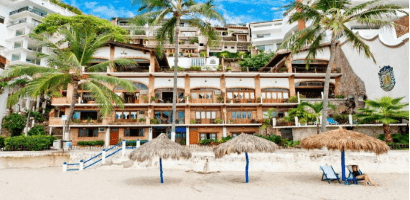
If this is exactly what is on your mind today, think no further than a memorable vacation or business trip to Puerto Vallarta, Mexico. Stay at a world-class hotel, bask in the sun on a beach chair by the Pacific Ocean, hop on a boat to go see the humpback whales, or arrange for just about any kind of tour or adventure your heart can desire. You will be hard-pressed to find a tourist destination that offers such amazing gastronomic variety at a destination where the local population is this warm and friendly.

In Puerto Vallarta you will find hotel and activity options to fit any budget. So come on, visit our webpage www.visitpuertovallarta.com to learn more about where you can go for a week or two to Warm Up This Winter

2014-12-15-r5zWeoj7copy-thumb

Since I'm under 21, legal drinking is one of my favorite parts about traveling abroad. But what if you want a drink in international airspace?

Drinking ages vary from country to country. Since I fall into the awkward "old enough to vote but too young to drink" group, a trip abroad means new freedoms when it comes to the beverage menu. Especially when all the international airlines seem to like to keep the good stuff going.

This post originally appeared on Map Happy.

Many airlines explicitly note the minimum age they will serve alcohol to on their flights, which is almost always the same as the drinking age of the country the airline is registered in. For example, if you are flying American Airlines, the legal drinking on board a plane age is 21. This rule still applies even if the destination is a country where the legal drinking age is lower. If you're headed to Mexico where the legal drinking age is 18, the legal drinking age on the plane will still be 21. It's not quite Tijuana.

The same goes for airlines whose host country has a lower legal drinking age than a country with a higher legal drinking age. For example, because Aeromexico is a Mexican airline, the drinking age on any Aeromexico plane should be Mexico's legal drinking age, 18.

But there are exceptions, depending on where the plane is leaving from. Some flyers from a bodybuilding forum (hey, everyone loves to travel) report that airlines will follow the origin country's rule. So even if you're on Aeromexico going to Puerto Vallarta from Los Angeles, you might not be able to drink booze on the outbound but would be able to on the return trip. At least you get to somewhere, right?

This is where things get wishy-washy. Based on reports from TripAdvisor and Yahoo discussion forums and this Los Angeles Times article, international flights may not be very strict about checking IDs and a flight attendant's judgment is more likely to determine whether or not you can drink rather than any written policy (this is why it's important to be nice!). Even if an airline claims to serve alcohol to passengers over a certain age, the actual follow-through may be loosely regulated.

To this, I can certainly testify. Last spring when I flew Avianca Airlines from Nicaragua back to the U.S., the flight attendant not only failed to I.D. me but instead offered me alcohol without any question. I'll have to follow this up when I fly out of Los Angeles with Air New Zealand in February.

This isn't to say that underaged people should hop on a plane expecting to get wasted before landing. Nevertheless, if you're under 21, it seems there is little risk in asking for a drink on certain carriers. What do you have to lose? Aside from a little bit of dignity if the flight attendant refuses to serve you.

[readon1 url="http://www.huffingtonpost.com/map-happy/is-there-a-legal-drinking-age-on-planes_b_6329240.html"]Source:www.huffingtonpost.com[/readon1]

AIR FRANCE PLANE

An Air France flight from Santo Domingo to Paris made an emergency landing in Ireland on Sunday after an alarm indicated the possibility of fire or smoke in the cargo hold, according to the Irish Independent.

The culprit turned out to be chili peppers – yes, chili peppers – in the forward cargo compartment that appear to have set off the alarm.

The Air France crew contacted the Irish Aviation Authority with a “Mayday” call after the alarm sounded, the Independent reported.

The Boeing 747 had 142 passengers and 12 crew members on board, the newspaper said.

Irish authorities cleared the way for the plane to divert to the airport in Shannon, on western side of the island.

“The plane was met by fire crews and a fleet of ambulances when it touched down shortly before 10 a.m.,” the newspaper reported.

“Once all passengers had left the plane, fire officers carefully opened the cargo door with extinguishers at the ready,” the Independent said. “The plane's own onboard extinguishers had activated and were still discharging fire suppressant when fire crews boarded.”

They found no fire, but honed in on a shipment of chili peppers in the cargo hold whose heat apparently activated the jet's sensitive fire alarm.

No word on which type of chili pepper was involved in the incident.

99cedabc4721fa95ba6e0a77caf4d8fb

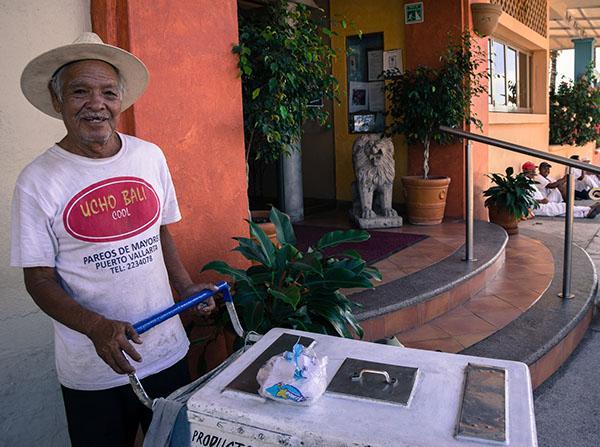
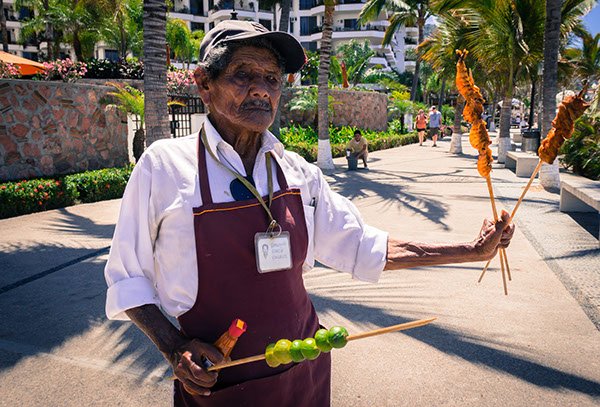
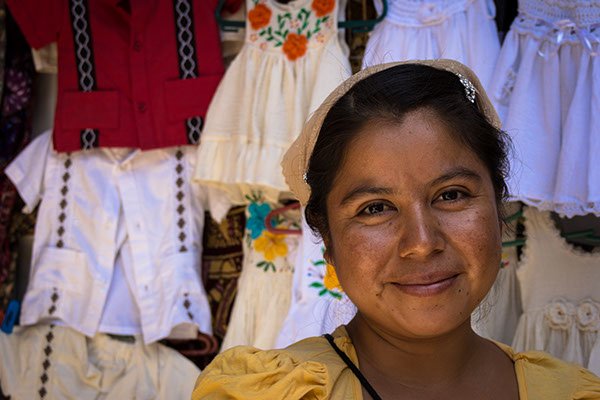
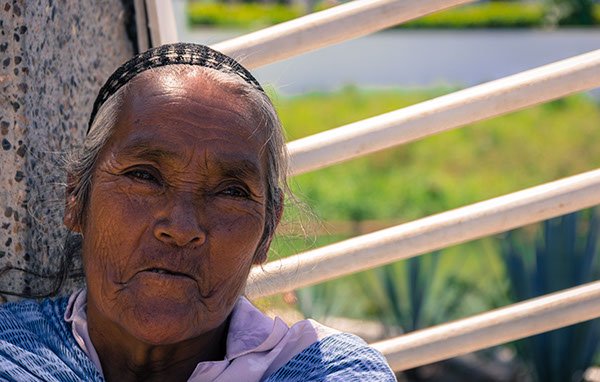
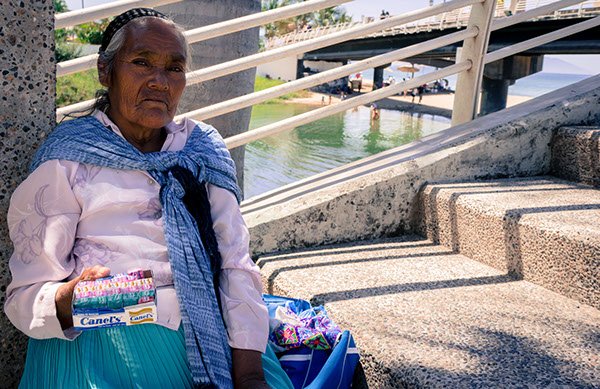
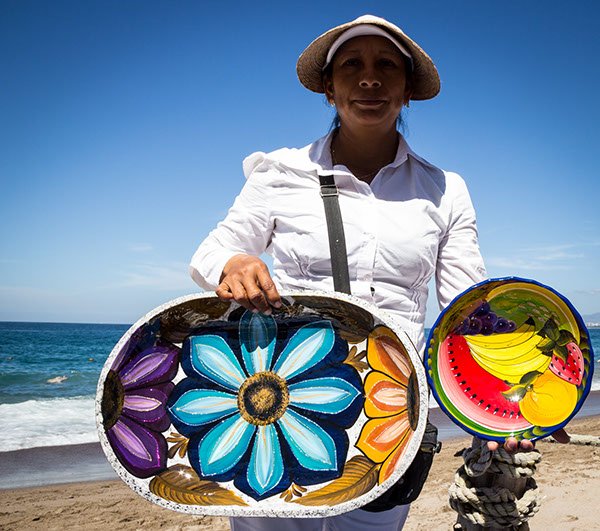
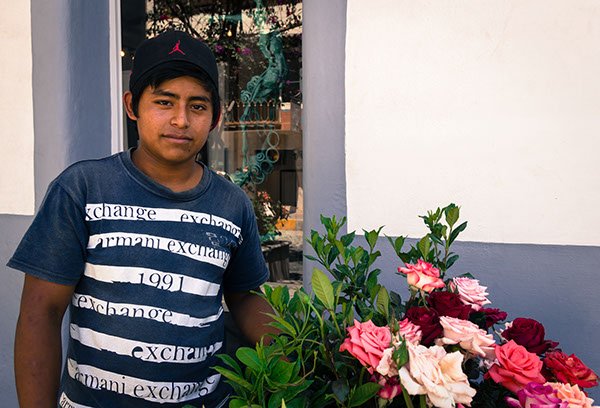
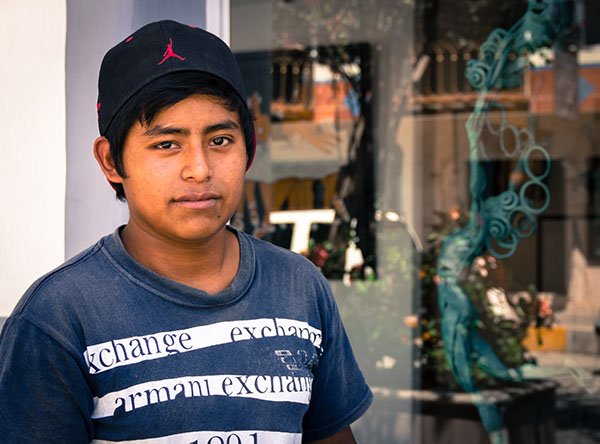
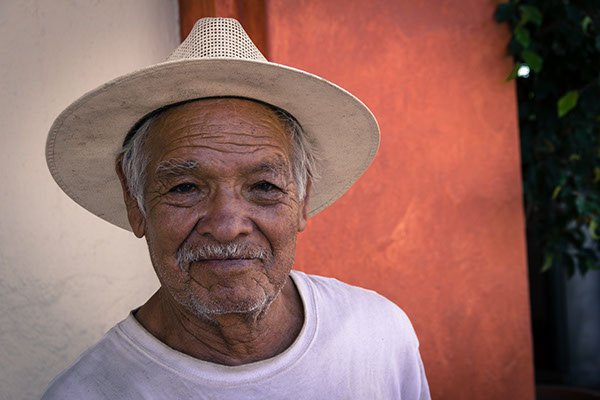
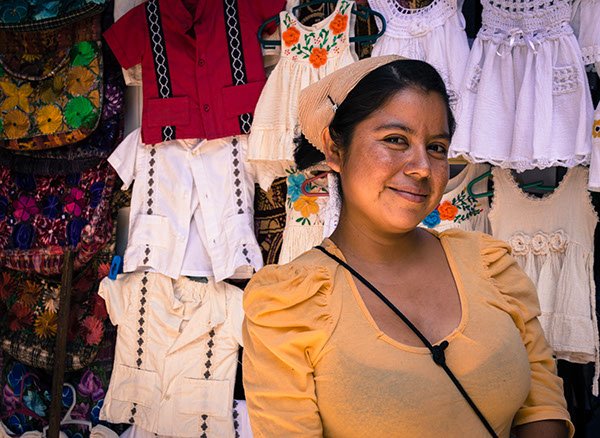
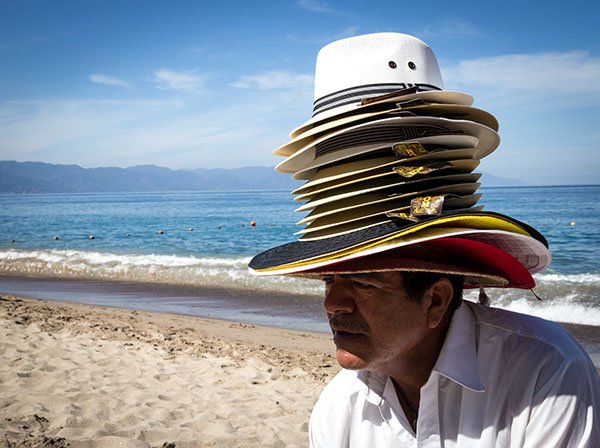
Puerto Vallarta is alive with street vendors.  PV economy is a mixture of tourism, agriculture, industry, and commercial business.  It is however tourism that drives 50% of the local economy, and while resorts, restaurants and stores doing a thriving business, street vendors create the outdoor cultural canvas.


4693771.53c06245cc95d   David D. Varis

Visual Artist
Apple Feather Studios/Varis Photography

[readon1 url="https://www.behance.net/gallery/22155477/Puerto-Vallarta-Workers-2014"]Source:www.behance.net[/readon1]

7141a46d-d8b1-4230-a1bd-369a78219582

  • The TV show, “Viva la Tarde,” airing on RCN Colombia is beamed into over 34 countries around the world, among them the United States, Canada, Mexico, Chile, Argentina and many others in Latin America.

As per their continual task of positioning Mexico’s Pacific Treasure within the Colombian tourism market—a very important emerging one, in fact—the Riviera Nayarit Convention and Visitors Bureau (CVB) welcomed the TV station RCN Colombia to the destination.

The team from the show “Viva la Tarde,” which airs Monday through Friday, was on site to tape several segments to be presented by the popular host Gary David Parkesowich.

RCN is a communications conglomerate that includes both radio and television stations, which are beamed out to over 34 countries such as the United States, Canada, Mexico, Chile, Argentina and many others in Latin America, including, of course, Colombia.

Among the activities the team enjoyed were a visit to the Islas Marietas and the town of Punta de Mita, where they took Paddle Surf classes. They also took the time to film the area and take notes on the region’s culinary offerings.

In the hippie chic village of Sayulita they taped segments that identified the culture of the destination, including the Huichol art, the architecture, the surfers and other aspects of the Riviera Nayarit’s Surfing Capital. They also had the opportunity to film the amazing sunsets around the bay.

In La Cruz de Huanacaxtle they were duly impressed by the Marina Riviera Nayarit and the cutting edge facilities available in the Nautical Capital of the Riviera Nayarit. After a visit to Bucerías they returned to their own beautiful country, where this destination is slowly but surely making an impact.

It’s a well-known fact that Mexico and Colombia share certain tastes and traditions, so the destination seeks to engage the Colombian traveler through cultural exchanges such as this public relations endeavor. There’s no doubt these are sister cultures and that in itself is a fine advantage in positioning the destination.

8992525

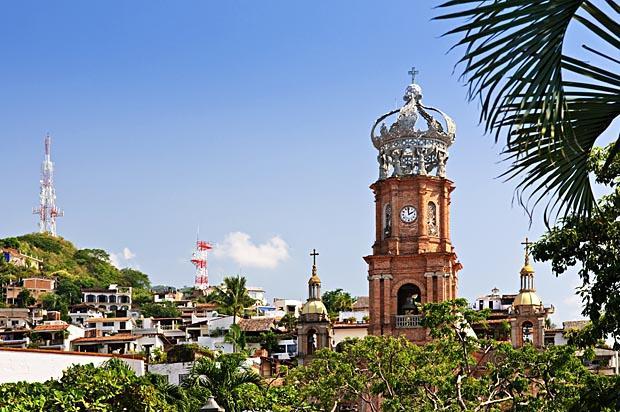
Church in Puerto Vallarta, Jalisco, Mexico.Photograph by: Elenathewise , Fotolia.com

Last week we asked for your favourite Mexico destinations. Here are some of your favourites.

Memories of Puerto Vallarta

On a cold winter day, my husband was turning 50 and my daughter 16, so we boarded a flight to Puerto Vallarta. What better place to celebrate their milestone birthdays? We arrived to bright sunshine and warm weather. Villa del Palmar was central for long walks to town and easy bus access. Our daughter stayed in a room above us with a spiral staircase, her own getaway with splendid ocean views. We enjoyed a special time together, exploring and sharing some great meals.

We do not live in the same city anymore and she has a husband, a toddler and a baby now. It would be wonderful to return to Puerto Vallarta and make new memories, watching her children have fun in the sun as we did in 1996.

-- Cindy Bavin

A taste of Mexico

Though I have been to 94 countries and try to seek out new adventures, I have my favourite places, and Mexico is one of them. On my eighth trip there last December, I did a food tour with Intrepid Tours.

In Mexico City's Madera Street, a pedestrian mall full of restaurants and shops, we ducked in a sandwich and fresh juice place called Jugos de Canada, full of soft bread and melting cheeses over grilled meats! We also went to several taquerias.

In the Jamaica market, we had huaraches for breakfast: thick oval-shaped corn tortillas fried with grilled onions, beef and cactus, served with Cotija cheese, avocado and salsa.

A city of almost nine million people, Mexico City has a great metro system which we took to Coyoacan, a southern suburb to another market where enormous yellow headless turkeys hung neck down, dripping blood into plastic bags. There we bought tons of candies for seven-pointed colourful Christmas pinatas and ate fresh ceviche, tostadas and sampled juices of different native fruits such as guanabana and mamey.

We flew to Oaxaca and went directly to the market for breakfast. Who knew goat barbecue could taste so good? We ate tortillas filled with stretchy Oaxaca cheese and topped with chapulines, saw chocolate being ground from roasted cocoa beans and took time to sunbathe on the flower-laden hotel rooftop, and dance a little salsa with the locals at a wedding party in the cobblestoned streets.

We took a bus to Mitla ruins and stopped at a mezcaleria to sample the strong spirit, flavoured with everything from licorice to honey - some as strong as varnish at 49 per cent alcohol - and munch on white worms soaked in mezcal until they become plump and burst when you bite them.

In Puebla, we did a cooking class and made their famous mole, a cooking sauce that has many time-consuming ingredients, studied huitlacoche (blue fungal corn) and medicinal herbs in the market, ate tequila ice cream and chili powder-covered apples bought from street vendors, munched on the best pozole - a hearty chicken soup garnished with radishes, lettuce, avocado and limes - and attended a lucha libre wrestling match.

I stayed a few extra days to visit the museum of anthropology and the canals of Xochimilco, but the food was the best part!

-- Danielle Bretton

A long way for lunch

My husband and I first learned of an open-air restaurant called El Nogolito just outside Puerto Vallarta about 10 years ago. Since then, we've been back two more times.

It is located in a beautiful valley of the Sierra Madre mountain range, and is pristine and peaceful. The lush greenery is like what I would imagine the Garden of Eden might have looked like. There is thick, lush sub-tropical vegetation, tucked beside a river of crystal-clear waters, and close by there is a peaceful, rustic Mexican village. The last time we were in Puerto Vallarta was on a Holland America cruise ship.

We rented a car near the terminal with the express idea of going to El Nogolito for lunch.

We didn't care if we didn't do another thing, although there is much to see and do in Puerto Vallarta. Re-visiting the restaurant was a must on our things to do list.

There is a zip line and hiking trails there for the more adventurous, but we prefer to go just for the dining experience of world-class dishes, served up in a spotless outdoor restaurant nestled in the jungle, very near where the movie Predator was filmed. In pure Mexican style, the margaritas are served up in glasses that looked big enough to sit in.

It's not at all uncommon to see tangerine butterflies and green jays flying by or in the branches of surrounding trees.

The waiters are ultra-friendly, and one year one of them pointed out an iguana very close by. Don't worry - the iguanas won't venture into the restaurant. After lunch, you can follow a stone stairway down to placid shady stream that flows near the restaurant.

To get there, you need to rent a car and drive the highway that goes south from Puerto Vallarta toward Mismaloya. The scenery is phenomenal with many fantastic views of the ocean and favourite diving spots.

[readon1 url="http://www.theprovince.com/travel/Readers+respond+share+their+Mexican+treasures/10453646/story.html"]Source:www.theprovince.com[/readon1]


8401258w

The Colombian Web site 1doc3, which allows users to ask questions about health issues and get free and confidential advice from medical specialists, has already been visited by some 100,000 people since its expansion into Mexico, co-founder Javier Cardona said.

The site, which is receiving hits from 141 countries, opened up shop in Mexico in November and has become "the place where people find the best medical answers on the Internet," Cardona said.

Once users register an e-mail address with www.1doc2.com, they can submit questions without charge to specialists, who then post answers on open chat rooms without disclosing personal information other than the visitor's gender and age.

In an interview with Colombia.inn, an Efe-operated news agency, Cardona said 25 percent of the Web site's traffic used to come from Mexico and the site had now expanded its audience.

The Mexican market offers "great opportunities" for the company, Cardona said, adding that the site was expected to reach 1 million users in the first quarter of 2015.

The company has signed agreements with several health-care providers in Mexico to expand the network of specialists answering questions from local users.

"Health care has low visibility on the Internet and we want to become the digital channel connecting patients with health-care providers," he said.

1doc3 is a two-way tool that also gives doctors the option of connecting with new patients who can make appointments via the Web site to discuss their problems further.

The company charges between 5 percent and 15 percent for each medical consultation through 1doc3, with rates set based on the specialist requested by the patient.

Another source of income for the company comes from users who choose to receive answers via text message, a service priced at about 600 pesos (24 cents) in Colombia.

Nearly 472,000 users have received answers to their questions through 1doc3, a Web site created in 2013 by Colombian entrepreneurs and supported by Wayra, a business services operation that belongs to Spain's Telefonica, Cardona said.

The company plans to launch an app for mobile devices in 2015 "since 70 percent of the traffic on the Web site comes from smartphones," Cardona said.

[readon1 url="http://latino.foxnews.com/latino/health/2014/12/17/colombian-web-site-for-medical-advice-expands-to-mexico/"]Source:latino.foxnews.com[/readon1]

1-intro

Reversal of fortune

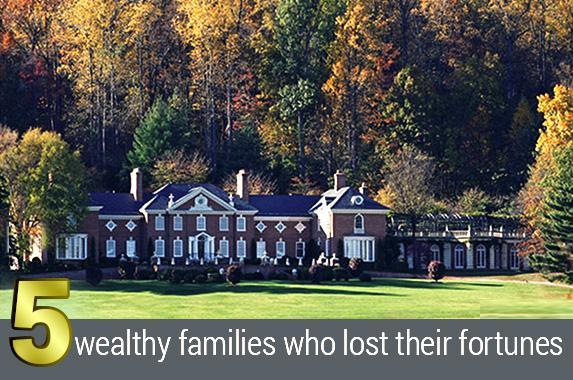
You wouldn't think it possible that a family worth millions would blow through all of it. In fact, any number of factors could contribute to a reversal of fortune, whether the decline is swift and sudden or stretched out over six generations. The usual suspects include bad investments, too much debt and overindulgent spending. Meet five well-known rich families who suffered a reversal of fortune.

2-Vanderbilts

The Vanderbilts

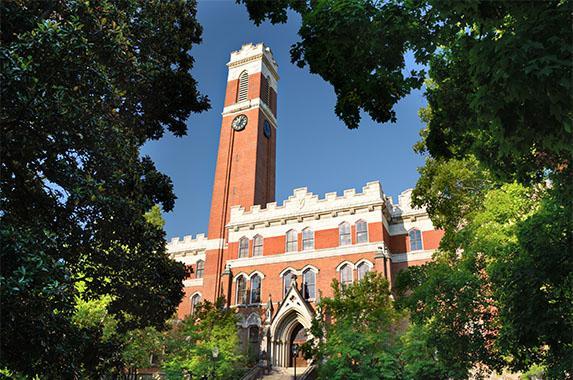
By the time he died in 1877, Cornelius "Commodore" Vanderbilt reportedly was worth $100 million, according to Forbes. He began his steamship and railroad empire in 1810 with $100 he borrowed from his mother. But six generations later, the enterprises he founded are no longer in the family. CNN anchor Anderson Cooper, a sixth-generation descendant, recently said on Howard Stern's radio show, "My mom's made clear to me that there's no trust fund." What's left is a legacy of philanthropy, including Vanderbilt University.

3-Hartfords

The Hartfords

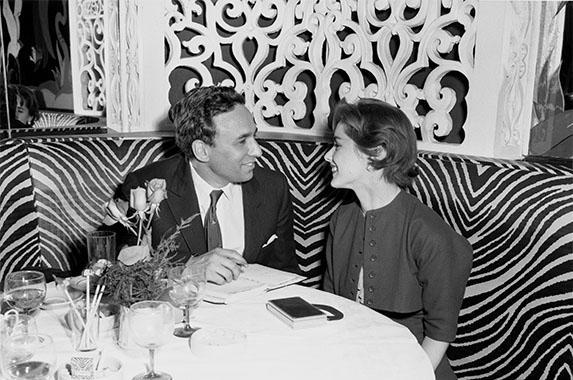
Huntington Hartford, heir to the A&P grocery chain fortune, lost his millions through failed enterprises and a playboy lifestyle. As the grandson of the founder of the Great Atlantic & Pacific Tea Co., Hartford received an income of $1.5 million a year, according to The New York Times. In 1940, the Hartfords were ranked among the country's richest families by the Securities and Exchange Commission. Declaring bankruptcy years later, Hartford moved to the Bahamas in 2004 where he lived until his death at age 97 in 2008.

4-Kluges

The Kluges

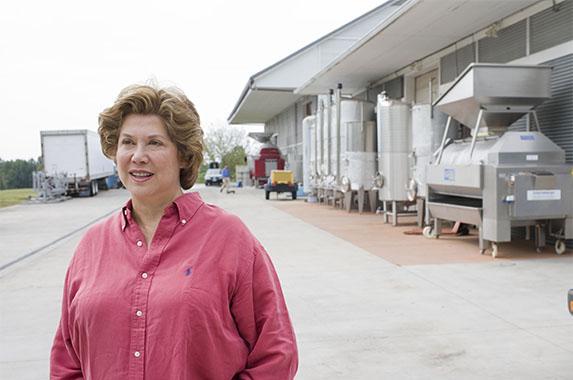
After nine years of marriage, Patricia Kluge divorced husband John Kluge, founder of Metromedia, and received a 200-acre estate and $1 million a year in a divorce settlement, according to Forbes. About 20 years later, in 2011, she was bankrupt as a result of pouring all her money into a vineyard that she'd purchased near her home, taking on too much debt in order to expand, and subsequently suffering through the real estate crash. After her property was foreclosed upon, real estate tycoon Donald Trump bought the vineyard for $6.2 million, according to Fox News.

5-Strohs

The Strohs

Company founder Bernhard Stroh arrived in the U.S. from Germany in 1850 with $150 and a family recipe for beer. His sons expanded the empire. By the1980s, the Strohs controlled the country's third-largest brewing company, according to Forbes, which valued the family fortune at around $700 million. Today, five generations later, the company is gone, the victim of an overload of debt, stiff competition and missed opportunities.

6-Pulitzers

The Pulitzers

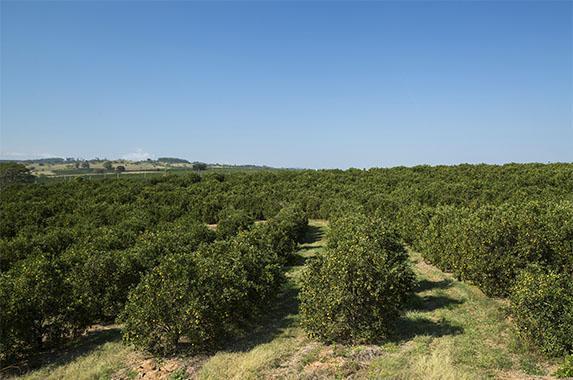
Grandson of publishing magnate Joseph Pulitzer, Peter Pulitzer had to be bailed out financially by the husband of his ex-wife. According to Forbes, the 800-acre Florida citrus grove owned by Peter and his twin sons was in danger of foreclosure after an outbreak of citrus canker. Tim Boberg, husband of Roxanne Pulitzer, now holds a $220,000 mortgage on the property; he guaranteed another mortgage of $1.3 million and extended a line of credit for $400,000. In his 1982 divorce filings, Peter Pulitzer had an estimated net worth of $25 million.

[readon1 url="http://www.bankrate.com/finance/smart-spending/wealthy-families-who-lost-their-fortune-6.aspx"]Source:www.bankrate.com[/readon1]

money-100-dollar-bills-benjamins-bonus-watch-2014

Employees in approximately one-third of all companies are eligible for bonuses of some kind. Bonuses are given to employees to serve the following purposes: to create incentives to reduce costs; to pay people for doing a good job; and to encourage employees to think like shareholders.

Bonuses reflect your level of responsibility in the organization, making up a larger portion of your total compensation as you take on more responsibility. To ensure accountability and to reward you for your responsibilities, companies tie portions of employees' pay to both individual and company successes. Corporate triumphs take on greater importance in your bonus as you climb the corporate ladder. This is because at higher levels of the organization, you are more accountable for the success of the company.

It was only recently that only managers were eligible for variable compensation and stock options. But by the late 1990s all that had changed. As America woke from its recessionary slumber and entered into the 20th century's longest and most powerful economic expansion, shareholders and executives began to make unprecedented wealth.

This newly created wealth followed closely on the heels of the slash-and-burn employee policies of the early 1990s that created much unemployment and loss of benefits for many workers. Company loyalty was damaged irreparably as employees watched their companies' executives make more and more money while their own employment and benefits were being taken away. This was to change, however, as the strong economy began to benefit all employees.

Today, despite the current economic slump, there is a shortage of qualified employees in certain jobs. Companies have to work hard to attract and retain their workforces. Last year, companies were including more of their workforces in their annual incentive plans and, in some cases, even including nonexempt hourly workers. The rationale was that not only did it place the company in a better position to keep the employee, but it also allowed employees to share in the "wealth" created by their activities.

Of course, if the company doesn't create much wealth, there isn't much to share. In contrast to base salary, bonuses are usually not guaranteed from year to year, so they can be an effective way for an employer to have a lower fixed component of its personnel budget, said Bill Coleman, Senior Vice President of Compensation at Salary.com. In the current environment, he said, performance-based bonuses are almost certain to go down.

"If your company is struggling to meet its earnings targets this year, you'll probably find that your bonus will be smaller, if you get a bonus at all," Coleman said. "In today's economic climate, some employees whose companies paid generous bonuses will be tempted to leave in favor of situations with a higher base pay," he said.

Still, bonus plans can be invaluable to employees who want to know what they need to do to succeed in a company. Bonus plans communicate the values the company stands for and the behaviors it celebrates. The people who get promoted at a company also get the biggest bonuses and the most recognition.

A good way to be successful at a company is to get noticed. And the best way to get noticed is to do the things that will earn you a good bonus. So when you start a new job, learn what plans your company offers; read the company newsletter and the bulletin board; and learn the unwritten rules about what gets rewarded. Pay close attention to the employees who get recognized and promoted. Notice what they do and how they do it to get clues as to what actions and cultural behaviors are prized. And organize your work around meeting the criteria for bonuses. Also, volunteer for special projects since those will often get you visibility and a bonus.

[readon1 url="http://www.salary.com/an-overview-of-bonuses/"]Source:www.salary.com[/readon1]

perfectly imperfect  day 77 by tiiabear-d4wxf0d

I’ve learned many lessons through my years of leading companies, but without question, the most surprising thing I learned was this: The thing you can do that will make you the strongest, is the thing that is most counter-intuitive to do: Be openly vulnerable.

I am sure many of you are scratching your head thinking I have lost my mind, especially because we have all been trained to think that being vulnerable means being weak, which is the exact opposite of strong. So why then, would I suggest that being openly vulnerable is the very thing that will actually make you strong?

Trust me, I get why you would think it sounds crazy because many years ago I would have thought the same thing. Being vulnerable was not my strong suit growing up. In my mind, being vulnerable meant being weak and available to be hurt. That likely stemmed from the fact that my family moved numerous times growing up, which meant that I was constantly the new kid at school. Anyone who has been the new kid before knows that a new kid is prime real estate for being picked on if they show even the slightest sign of weakness, or so I believed. So I learned to hide my fears and to always act with confidence, which in many ways served me well because it helped me to put myself out there and try new things that I might not otherwise have been willing to try. It was that “I can do anything” attitude that likely led me to become an entrepreneur back when it appeared that all the odds were stacked against me. Allowing myself to be openly vulnerable wasn’t even a consideration back then and I would even say that I took great lengths to avoid it.

But, as is often the case, life began teaching me some very valuable lessons as I was running my first business. Not allowing myself to appear vulnerable meant I had to be perfect at everything. I had to be in control of everything because that was the only way to have the outcome turn out according to my perfect plans. It was exhausting. Not only was it exhausting for me, but it created a miserable situation for the people I was leading. You see, if leaders can’t allow themselves to be vulnerable then they send a clear message that no one who works for them is allowed to be vulnerable either. Leaders who expect perfection from themselves are sending the message that they expect only perfection from those around them as well. It is an impossible expectation for anyone to live up to, both for the leader as well as the people they are responsible to lead, because the reality is that no one is perfect. No one. And try as we may in this life, none of us will ever get there because we are, after all, only human, and as such we are by nature imperfect beings all striving to improve ourselves to the best of our ability.

I finally began to recognize that my unwillingness to show vulnerability as a leader was causing everyone around me to feel inadequate and that was the last thing that I had ever wanted. My passion in life and my personal mission statement is “to help others to excel”, yet here I was creating an atmosphere that didn’t allow anyone to excel, including myself, because my lack of vulnerability meant that anything less than perfection was failure. I was instantly making all of us failures. I had finally figured out that something had to change and that something was me. It was time for me embrace being vulnerable.

I can’t say that “being vulnerable” takes courage because every single one of us are vulnerable whether we acknowledge it or not. We are all vulnerable to disappointment, sadness, sickness, death, loss, failure, losing our job, losing love, and so on. But embracing our vulnerability, and even more important, openly embracing it, well that does take courage, and lots of it! But it was through embracing my own vulnerability and admitting to my employees and clients that I was imperfect and making mistakes that I was learning and growing from, that I was able to become a truly strong leader. You see, the thing that made me strong was the support of those very people, who knowing I needed them, were willing to support me and stand by me and help me in my efforts to become a better leader and to lead our company to become a success.

People who won’t embrace vulnerability are simply not authentic. They project a message of: I am perfect and you are not, so how then can we ever relate? But if a person is admittedly imperfect and so are you, then you instantly have a bond that allows you to relate to one another and a connection is formed. It is those connections that will cause people to give you their very best efforts because they want to help you succeed. It is also those connections that will cause people to look to you as someone they can learn from because you have now given them permission to try and fail and grow from it, just as you have. You are setting an attainable example for others to follow and it is one that will truly allow them to excel.

It takes courage to admit that you are not perfect. It takes courage to acknowledge that you cannot control the outcomes, especially when your entire job is to produce outcomes. But all of those things are the truth whether you admit them or not, so why not embrace them? You will never achieve perfection, so the most you can do is live your life in honest pursuit of it. You will never control the outcomes, so the most you can do is live your life controlling your best efforts. You will never control how others feel about you or treat you, so the most you can do is control your ability to love others and treat them well. Embracing vulnerability takes all kinds of courage but the strength it gives you can become your most valuable asset.

“Believe that we’re enough. Because when we work from a place, I believe, that says, “I’m enough,” then we stop screaming and start listening, we’re kinder and gentler to the people around us, and we’re kinder and gentler to ourselves.” – Brene Brown

[readon1 url="http://www.forbes.com/sites/amyanderson/2014/12/16/accepting-that-youre-perfectly-imperfect/"]Source:www.forbes.com[/readon1]

Festival 2015 home-1200x709

Cinephiles looking to enjoy a film with their feet in the sand can do so from Jan. 14 to 18 at the second Festival Sayulita, a five-day culture and food fest in the chilled-out coastal town of Sayulita, 45 minutes north of Puerto Vallarta.

This year, organizers are adding a day of music with a lineup that includes the electronic hip-hop group the San Juan Project, and Tennis Pro, the “struggling Seattle rock band” and subject of the film “Big in Japan,” which will be one of the 60 films screened at locations around town — including the beach, the community center and the baseball field.

The popular tag team surfing event, free for participants and spectators, will return to Main Beach for riders of all levels and ages. This year also will see the debut of Mexi Log Fest, a longboard competition. “Some of the biggest names in longboarding are coming to compete,” said Gabbi Villarrubia, one of the festival’s co-founders. “We’re stoked about Alex Knost.”

Tasting dinners will be offered on two consecutive nights. Popular restaurants like the Sayulita Public House, Calypso and Mamma Mia will participate.

Tickets and packages start at 1,250 pesos, or about $90.

48460

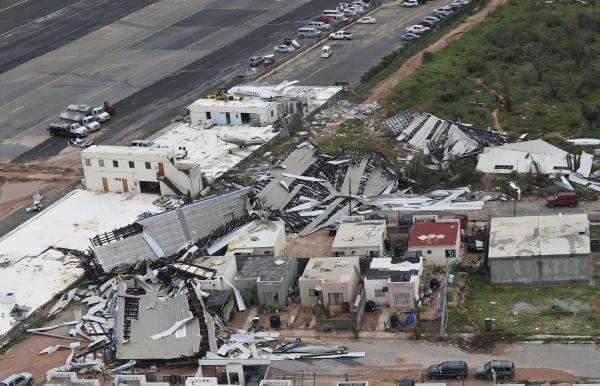
Insurance firms will have to pay out 16.6bn pesos (US$1.1bn) to policyholders who made claims following Hurricane Odile which struck Mexico this year.

And losses could increase, El Economista reported, citing local insurance association Amis head Mario Vela. Insurers have paid out 3bn pesos to date.

The cost to the insurance industry of Odile – which hit Baja California state – is already higher than that of 2013 storms Manuel and Ingrid.

Odile made landfall on September 14, dumping an estimated six months' worth of rain within one hour.

Vela said that insurance penetration in Baja California – home to resort town Cabo San Lucas, where some 90% of hotels are insured – is among the highest in Mexico.

Amis general director Recaredo Arias added that losses may increase as various consequential estimates are still pending.

The airport serving Cabo is now operating normally after having sustained damage.