







Not everyone needs 8 hours of sleep.
If you struggle to get out of bed in the mornings, then you're not sleeping enough. Sleep is a physiological condition of natural and periodic brain activity, described in literature as a period of reversible loss of consciousness, with reduced sensitivity, homeostatic regulation, and motor and sensory function. It is also a universal need that provides well-being, physical and mental rest, and energy recovery for the execution of physical and mental tasks.
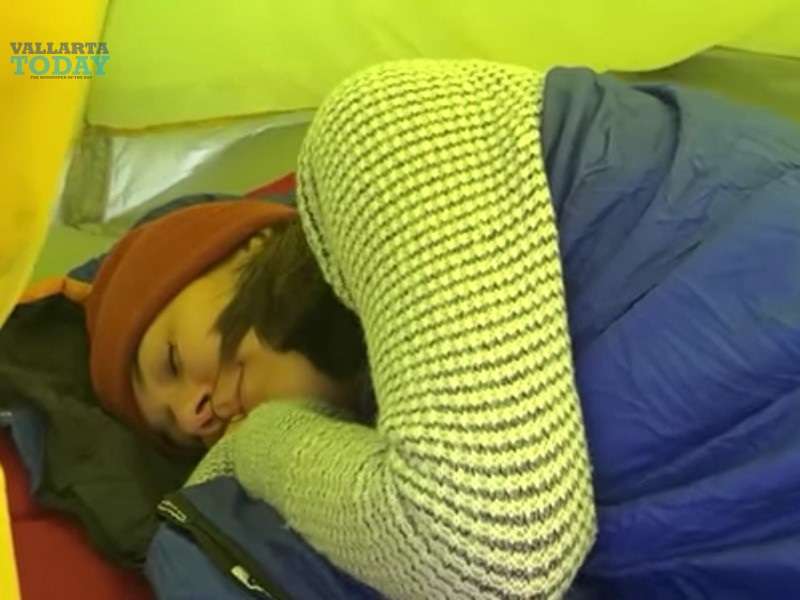
A rest period of between 7 and 9 hours seems to be ideal for most people; however, some individuals only need between 4 and 6 hours. This is known as Natural Short Sleep, a rare condition that demonstrates the highly individual nature of sleep needs. There is a simple method to determine the necessary amount of sleep, which involves experimenting by taking a 15-day break away from the stress of the city, without a cellphone and without interruptions. We recommend going up to the mountain, in Nogalito or Mismaloya, where there is peace and tranquility. Try to go into the tent at a certain time and rest, dream, surrender to the joy of sleeping. It's likely that in the first few days, you'll sleep a lot to compensate for some pending sleep deficiencies. But gradually, you'll start to feel balance; it's important to note down in a notebook the time you started sleeping and the time you woke up. As the days go by, you'll see that your body naturally adopts a normal sleep pattern, and you'll discover how many hours your body needs to sleep. Of course, drinking water and eating properly are tools that allow you to rest and wake up without problems. It is also recommended to eliminate sugar from your diet as it impedes the metabolism necessary for good rest.
There is a general rule for rest related to age. Sleep is essential for health; it basically functions as a nightly repair period. Not sleeping enough regularly can make us sick as it negatively affects our immune system. In fact, if we don't rest well, we are more prone to being in a bad mood and getting stressed; you may feel exhausted, unmotivated, and find it difficult to focus on your daily tasks. Babies sleep between 14 and 17 hours a day, but there are newborns who can sleep up to 19 hours. Between the ages of 6 and 18, they sleep 7 to 9 hours. After the age of 19, the number of hours of rest begins to gradually decrease, so older adults may sleep only between 4 and 6 hours. But this also depends on the activities carried out during the day.
Along with age, genes are the other major factor influencing the need for sleep. Those who naturally sleep little carry mutations in several genes that we still don't fully understand; this allows them not to feel moody, tired, or sick, even with fewer hours of rest. And of course, it would be useless to try to train yourself to sleep little; it wouldn't work because if you don't have this ability naturally, sleeping little would only harm physical health. This characteristic is quite rare, so rare that there are still few studies on it; unfortunately, there is no genetic test that determines if you have Natural Short Sleep or what number of hours is most suitable for you, only the 15-day vacations to study your own sleep.