







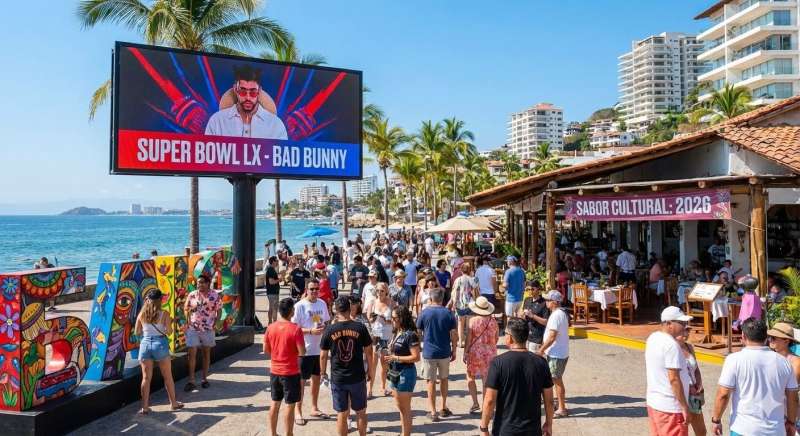
When the NFL confirmed that Bad Bunny would headline Super Bowl LX at Levi’s Stadium, the announcement was more than entertainment news. It marked the continued elevation of Spanish-language culture into the center of global mainstream media. The Puerto Rican artist’s selection reflects the league’s recognition that Latin audiences are no longer a niche demographic but a defining force in international pop culture and streaming economics. (The Washington Post)
This shift matters far beyond the United States. In destinations like Puerto Vallarta, where tourism is deeply tied to lifestyle branding, cultural moments like the Super Bowl halftime show can influence everything from nightlife programming to seasonal visitor demographics. High-spending travelers increasingly choose destinations that reflect the music, identity, and cultural narratives shaping global media.

Why Latin Identity Now Drives Destination Branding
Bad Bunny has consistently framed his work as an expression of culture rather than just entertainment, emphasizing that his Super Bowl appearance represents “my people, my culture, and our history.” (The Washington Post)
That positioning aligns with broader travel behavior trends. Visitors in luxury beach markets are no longer motivated solely by weather or price; they seek places where cultural authenticity is visible in food, music, art, and nightlife.
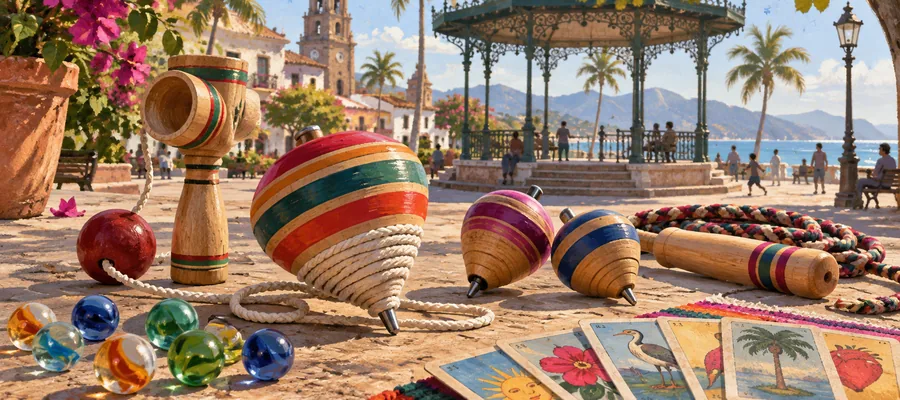
Puerto Vallarta already benefits from this shift. The city’s hospitality ecosystem from Zona Romántica clubs to marina restaurants has increasingly adopted Latin-inspired programming that blends tradition with cosmopolitan presentation. The Super Bowl spotlight on Latin music reinforces this direction and strengthens Vallarta’s relevance as a destination that reflects contemporary cultural currents rather than nostalgia tourism.
The Economic Ripple Effects of Global Music Moments
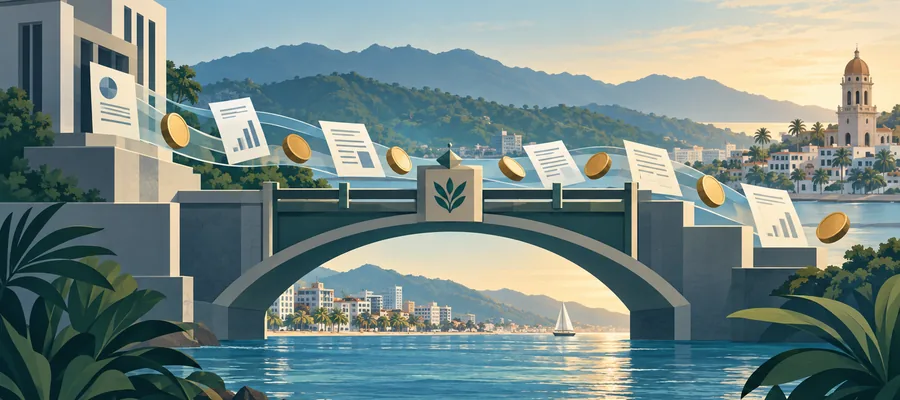
Mega-events like the Super Bowl operate as cultural accelerators. A halftime performance viewed by hundreds of millions worldwide often shapes playlists, fashion trends, and travel interests for months afterward. The NFL’s choice of a Spanish-language global star signals to tourism markets that Latin culture is no longer peripheral but central to international entertainment strategy.
For Vallarta’s tourism economy, this reinforces a positioning already underway: the destination is not simply a beach resort town but a Pacific hub of modern Latin lifestyle. That framing helps attract remote workers, second-home buyers, and experiential travelers who want both cultural immersion and premium infrastructure.
What This Means for Vallarta’s 2026 High Season
As global audiences move deeper into 2026, the visibility of Latin artists on the world’s biggest stages is likely to translate into real tourism behavior. Destinations that can offer curated cultural experiences live music, mixology rooted in agave traditions, culinary storytelling stand to gain the most.
Puerto Vallarta is uniquely positioned in this regard. Unlike urban Latin music capitals, it offers the same cultural resonance paired with beach luxury, international accessibility, and a mature hospitality sector. That combination allows the city to capture travelers inspired by Latin culture without competing directly with megacities like Mexico City or Miami.
In practical terms, the Super Bowl’s cultural messaging reinforces what Vallarta’s tourism sector has quietly been proving for years: the future of travel branding lies at the intersection of authenticity and refinement. When global audiences celebrate Latin culture on the biggest stage in entertainment, destinations that already embody that identity gain an immediate narrative advantage.