








Puerto Vallarta's March schedule of 14 cruise arrivals, covered in our main piece, reflects its position within a specific regional maritime network: the Mexican Pacific cruise corridor, primarily served by vessels homeporting in Los Angeles, San Francisco, and Seattle. Understanding the structure of that network, how Puerto Vallarta relates to other ports on the circuit, and what drives cruise line decisions about itinerary composition provides context for assessing the port's medium-term recovery trajectory.
The Mexican Pacific Circuit
The Mexican Pacific cruise corridor is one of the most established in the Americas. Los Angeles and Long Beach together constitute the busiest cruise homeport complex on the US West Coast, and the Mexican Riviera, the informal designation for the itinerary covering Cabo San Lucas, Mazatlán, and Puerto Vallarta, has been a standard product on this homeport's circuit for several decades. Vessels operating 7-night and 10-night Mexican Riviera itineraries from Los Angeles follow a consistent pattern: southbound to Cabo San Lucas, then to Mazatlán or Puerto Vallarta, with some itineraries including both.
San Francisco operates a similar but smaller Mexican Pacific cruise market, with the Norwegian Bliss's appearance in Puerto Vallarta's March schedule reflecting that port's continued investment in the Pacific Mexico product. Seasonal vessels from Seattle also operate Mexican Pacific itineraries during the late spring and early fall, extending the geographic range of the homeport market.
For Puerto Vallarta, the Los Angeles homeport market is the dominant driver of cruise volume. A significant disruption to that relationship, through cancellations, itinerary redesign, or passenger preference shifts, would have more consequence than disruptions from other homeports. The vessels returning on the March schedule, Norwegian Bliss, Royal Princess, Navigator of the Seas, are all operating on Los Angeles or San Francisco homeport circuits.
Puerto Vallarta's Competitive Position
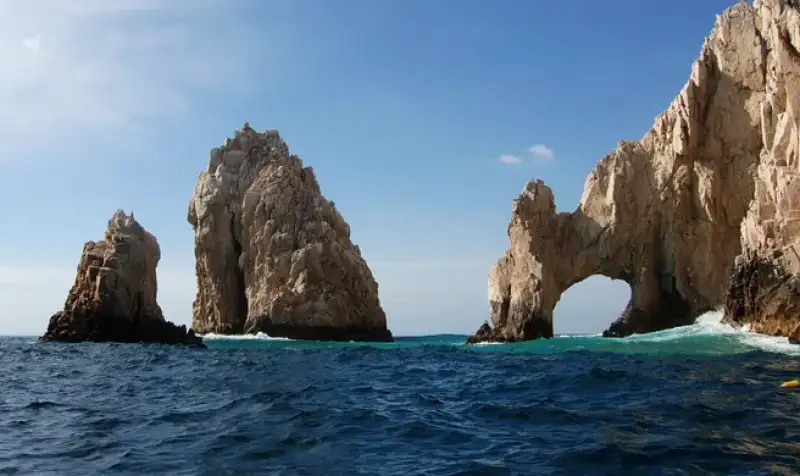
Within the Mexican Pacific corridor, Cabo San Lucas, Mazatlán, and Puerto Vallarta each offer distinct positioning. Cabo San Lucas is primarily a beach and watersports destination with dramatic Pacific coast scenery and a compact tourist district close to the cruise pier. It typically attracts the highest cruise volumes on the corridor. Mazatlán offers a more authentically Mexican city experience with a substantial historic centre, cultural attractions, and lower prices than the other two ports.
Puerto Vallarta's competitive positioning combines elements of both: a genuine urban environment with cultural depth, a concentrated tourist district within walking distance of the port area, beach access, and a particularly strong food and beverage scene. Its LGBTQ+ tourism identity adds a dimension not present in the other Mexican Pacific ports, attracting a traveller demographic that cruise lines have increasingly recognised as commercially significant.
The cruise lines that include Puerto Vallarta in their itineraries make that choice based on passenger satisfaction data, port call scores that feed into itinerary planning decisions. A port with consistently high passenger satisfaction scores for shore experience quality is more likely to receive increased itinerary allocation than one with middling scores, regardless of official port fee structures. Puerto Vallarta's combination of accessible tourist infrastructure and genuine destination character has historically generated strong passenger scores on this metric.
The Network Effects of Cruise Corridor Positioning
Puerto Vallarta's position on the Mexican Pacific corridor has network effects that extend beyond its own port economics. Cruise itineraries are marketed as packages, passengers choose a voyage in part based on the combination of ports, not just individual destinations. A Puerto Vallarta inclusion on a Los Angeles homeport itinerary contributes to that itinerary's overall appeal, which means Puerto Vallarta's attractiveness as a port call affects the commercial viability of the itinerary as a whole.
This network interdependence cuts both ways. A significant, sustained disruption to Puerto Vallarta that caused cruise lines to redesign Mexican Pacific itineraries would affect not only Puerto Vallarta's port revenues but the competitive positioning of the Mexican Pacific corridor relative to alternative Pacific itineraries, Alaska, Hawaii, or Central America circuits that compete for the same homeport capacity and passenger market. The corridor's collective competitiveness depends partly on the reliable operational quality of each of its component ports.
Frequently Asked Questions (FAQs)
Q: What is the Mexican Riviera and how did it become an established cruise itinerary?
A: The Mexican Riviera is the informal designation for cruise itineraries covering Mexico's Pacific coast ports, primarily Cabo San Lucas, Mazatlán, and Puerto Vallarta, operated as 7-night or 10-night voyages from Los Angeles or San Francisco. Its establishment as a standard product dates to the 1970s and 1980s, when the combination of warm winter climate, accessible Mexican Pacific ports, and short sailing distances from California homeports made it a commercially reliable itinerary for the growing North American cruise market.
Q: Why does the Los Angeles homeport market matter so much to Puerto Vallarta's cruise volumes?
A: Los Angeles and Long Beach together constitute the largest cruise homeport complex on the US West Coast, and the Mexican Riviera is the dominant itinerary product from that homeport. The cruise lines allocating most capacity through Los Angeles, Norwegian, Princess, Royal Caribbean, Carnival, are the same lines that appear in Puerto Vallarta's schedule. Itinerary decisions made in Los Angeles-based operations teams therefore determine the majority of Puerto Vallarta's annual cruise volume.
Q: How does Puerto Vallarta differentiate itself from Cabo San Lucas for cruise passengers?
A: Cabo San Lucas is primarily a beach and watersports destination with dramatic Pacific coast scenery and a compact tourist district close to its pier, characteristics that generate consistently high passenger satisfaction scores. Puerto Vallarta offers a more complex destination experience: a genuine urban environment with cultural depth, a concentrated LGBTQ+ tourism identity, a strong food and beverage scene, and neighbourhood character that extends beyond the immediate tourist zone. These differences attract different passenger demographics within the same itinerary market.
Q: How does Puerto Vallarta's inclusion affect the commercial viability of the whole Mexican Riviera itinerary?
A: Cruise itineraries are marketed and sold as packages, and passengers choose voyages partly based on the combination of ports rather than individual destinations. A Puerto Vallarta inclusion contributes to the overall itinerary's appeal, its reputation, diversity of experience, and passenger satisfaction scores affect how the voyage as a whole competes against alternative Pacific itineraries. This network interdependence means Puerto Vallarta's port quality has consequences for the commercial viability of the broader corridor, not only for its own port revenues.
Q: What would it actually take for Puerto Vallarta to lose its position on the Mexican Pacific corridor?
A: Losing corridor position would require cruise lines to fundamentally redesign Mexican Pacific itineraries, replacing Puerto Vallarta with an alternative port, a decision involving significant contractual, operational, and marketing costs that cruise lines would not undertake without sustained evidence of structural problems. A temporary perception-driven reduction in port calls, even one lasting several months, is operationally and commercially distinct from a structural loss of itinerary position that decades of contracted relationships protect against.