








On March 8th, Teatro Vallarta hosts the 12th edition of What A Drag, a fundraiser that has become one of the more financially consequential evenings in Puerto Vallarta's civic calendar. The format, competitive drag transformation combined with professional entertainment, has stayed consistent across twelve years, but the stakes attached to it have grown. The event currently funds more than half of Casa Esperanza's annual operating budget. Casa Esperanza is the region's dedicated domestic violence shelter for women and children, operated by Compassion for the Family.
That figure is worth sitting with. A single evening of performance covers the majority of what a domestic violence shelter requires to keep its doors open for a year. It says something about the depth of community engagement this event has built, and something about the structural funding constraints that organisations like Casa Esperanza navigate in a country where state provision for domestic violence services remains inconsistent across municipalities.
What the Evening Actually Is
What A Drag runs two parallel tracks in a single programme. The competitive element invites non-professional participants to build drag personas and perform before a live audience and judging panel. This format generates a different kind of audience investment than a straight concert, the crowd has a stake in the contestants, and the contestants' visible effort and transformation create an emotional register that professional performance alone rarely achieves.
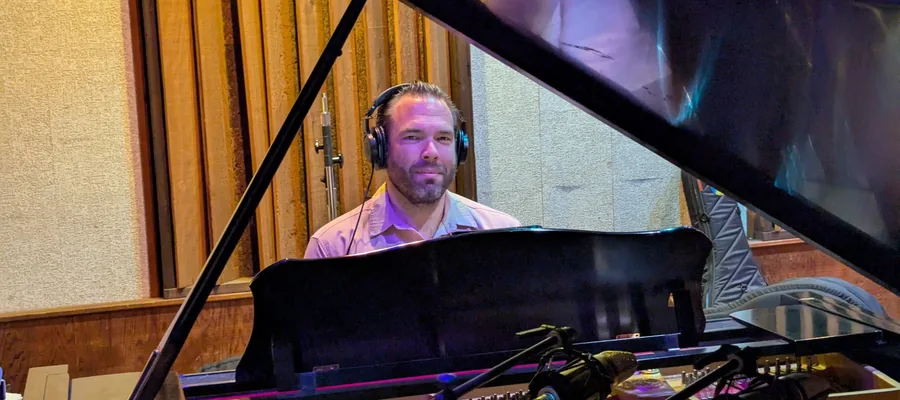
The professional segment features performers drawn from Puerto Vallarta's established cabaret circuit. Hosting the evening is Amy Armstrong, a performer whose three-decade career has been substantially rooted in the city. Singer and producer Tonny Kenneth, who has been involved with the event across multiple editions, treats his participation as a deliberate statement about artists' relationship to community obligations. Armando Chakám, a Guadalajara-based performer with a background in musical theatre and radio, joins the lineup alongside Adán Carano, whose Surf Hula practice merges Pacific coast surf culture with hula-hoop movement work.
The combination of local loyalty, returning participants, and a format that invites the community into the performance itself has given What A Drag a durability unusual in fundraising events. Most benefit evenings rely on novelty; this one has built a tradition.
The Shelter the Event Sustains
Casa Esperanza functions as a transitional environment, secure housing where survivors can stabilise, access legal and psychological support, and begin rebuilding independent lives. The operational costs are fixed and recurring: housing, food, staffing, legal case management, children's support, and psychological services that run continuously regardless of the time of year.
For an organisation whose primary funder is a single annual event, the predictability of that income matters enormously. Compassion for the Family can plan staffing levels, service commitments, and operational decisions with a degree of confidence that organisations dependent on competitive government grants or unpredictable donor cycles cannot easily achieve. Twelve consecutive years of the same event, with growing community support, have converted a fundraising night into a budget planning anchor.
Domestic violence services in Mexico operate against persistent demand. The federal and state shelter networks exist but do not cover every municipality at sufficient scale. Civil society organisations fill the gaps, and their capacity to do so depends directly on the community fundraising infrastructure they can build around them.
Twelve Years as an Institution
Events that reach a twelfth edition have built something structurally different from a one-off fundraiser. What A Drag has become part of Puerto Vallarta's annual rhythm, an occasion the community anticipates, participates in, and returns to as a matter of established habit rather than renewed curiosity. The returning performers, the consistent format, and the multi-year relationship between the event and its beneficiary have given it the quality of a civic institution.
That institutional status is reflected in how Casa Esperanza plans around it. The shelter's operational calendar is aligned to the event's annual cycle in ways that turn community goodwill into structural financial reliability, a conversion that most civil society organisations spend years trying to achieve and many never manage.
Frequently Asked Questions
Q: What is What A Drag and how long has it been running?
A: What A Drag is an annual fundraising event at Teatro Vallarta in Puerto Vallarta, combining competitive drag transformation with professional entertainment. The 12th edition takes place on March 8th, 2026. It was established as the primary annual fundraiser for Casa Esperanza, the region's domestic violence shelter for women and children.
Q: What is Casa Esperanza and what does it provide?
A: Casa Esperanza is a domestic violence shelter operated by Compassion for the Family, a Puerto Vallarta-based civil society organisation. It provides secure housing, meals, legal assistance, and psychological support to women and children who have left situations of domestic violence. The shelter is designed as a transitional environment to help survivors stabilise and rebuild independent lives.
Q: How much of Casa Esperanza's budget does What A Drag fund?
A: What A Drag funded more than half of Casa Esperanza's annual operating budget in the previous edition, making it the shelter's single largest income source and the financial event around which the organisation structures its annual planning.
Q: Who performs at What A Drag's 12th edition?
A: The 12th edition is hosted by Amy Armstrong, a performer with a three-decade career on Puerto Vallarta's cabaret circuit. Professional performers include singer and producer Tonny Kenneth, Guadalajara-based musical theatre and radio performer Armando Chakám, and Adán Carano, creator of Surf Hula, a movement practice merging surf culture with hula-hoop artistry.
Q: Why has What A Drag lasted 12 years when many fundraising events do not?
A: Several factors contribute to its longevity: a format that invites community participation rather than passive spectatorship; professional entertainment quality that draws audiences on its own merits; a consistent beneficiary with visible community relevance; and a production team that has maintained the event's identity across twelve editions without significant format drift. Returning participants and a growing tradition have compounded the effect.
Q: Is What A Drag specifically a LGBTQ+ event?
A: What A Drag is organised as a community fundraiser open to all audiences, though drag performance has deep roots in LGBTQ+ cultural history. Puerto Vallarta's established LGBTQ+ community and culturally open social environment are part of the context that has allowed the event's format to thrive over twelve years. The event's primary identity, however, is defined by its social mission, supporting Casa Esperanza, rather than by any single community affiliation.