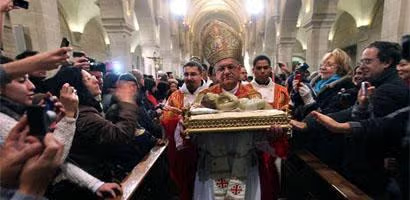
 BETHLEHEM, West Bank — Pilgrims and locals celebrated Christmas Day on Tuesday in the ancient Bethlehem church built over the site where tradition holds Jesus was born, candles illuminating the sacred site and the joyous sound of prayer filling its overflowing halls.
Worshippers lined up Tuesday inside the fourth-century Church of the Nativity complex, waiting to see the grotto that is Jesus' traditional birthplace.
Duncan Hardock, a 24-year-old teacher from MacLean, Va., said he got to see "both sides of Bethlehem" as he arrived at Manger Square after passing through the separation barrier Israel built to ward off West Bank attackers.
Later, Pope Benedict XVI will deliver his Christmas message from the central balcony of St. Peter's Basilica to thousands of pilgrims, tourists and Romans gathered in the piazza below. The "Urbi et Orbi" message is traditionally a review of world events and global challenges.
On Monday, Christians from the world over packed Manger Square to celebrate the birth of Jesus.
For their Palestinian hosts, this holiday season was an especially joyous one, with the hardships of the Israeli occupation that so often clouded previous celebrations eased by the United Nations' recent recognition of an independent state of Palestine.
In his annual pre-Christmas homily, the top Roman Catholic cleric in the Holy Land, Latin Patriarch Fouad Twal, said the road to actual freedom was still long, but this year's festivities were doubly joyful, celebrating "the birth of Christ our Lord and the birth of the state of Palestine."
"The path (to statehood) remains long, and will require a united effort," added Twal, a Palestinian citizen of Jordan, at the patriarchate's headquarters in Jerusalem's Old City.
Then he set off in a procession for the West Bank city of Bethlehem. There, he was reminded that life on the ground for Palestinians has not changed since the U.N. recognized their state last month in the Israeli-occupied West Bank and east Jerusalem and the Hamas-ruled Gaza Strip.
Twal had to enter the biblical town through a massive metal gate in the barrier of towering concrete slabs Israel built between Jerusalem and Bethlehem during a wave of Palestinian suicide bombings in the last decade. The Israeli military, which controls the crossing, said it significantly eased restrictions for the Christmas season.
Israel, backed by the United States, opposed the statehood bid, saying it was a Palestinian ploy to bypass negotiations. Talks stalled four years ago.
Hundreds of people greeted Twal in Manger Square, outside the Church of Nativity. The mood was festive under sunny skies, with children dressed in holiday finery or in Santa costumes, and marching bands playing in the streets.
After nightfall, a packed Manger Square, resplendent with strings of lights, decorations and a 17-meter (55-foot) Christmas tree, took on a festival atmosphere.
A choral group from the Baptist Church in Jerusalem performed carols on one side of the square, handing out sheets of lyrics and encouraging others to sing along with songs such as "We Wish You A Merry Christmas."
Festivities led up to the Midnight Mass at St. Catherine's Church, next to the fourth-century Church of the Nativity, built over the grotto where tradition says Jesus was born.
Devout Christians said it was a moving experience to be so close to the origins of their faith.
"It's a special feeling to be here, it's an encounter with my soul and God," said Joanne Kurczewska, a professor at Warsaw University in Poland, who was visiting Bethlehem for a second time at Christmas.
Pastor Al Mucciarone, 61, from Short Hills, New Jersey, agreed.
"We come here to celebrate Jesus. This is a very important town. Great things come from small events. The son of God was born in this small village. We hope all will follow Jesus," he said.
Audra Kasparian, 45, from Salt Lake City, Utah, called her visit to Bethlehem "a life event to cherish forever. It is one of those events that is great to be a part of."
Christmas is the high point of the year in Bethlehem, which, like the rest of the West Bank, is struggling to recover from the economic hard times that followed the violent Palestinian uprising against Israel that broke out in late 2000.
Tourists and pilgrims who were scared away by the fighting have been returning in larger numbers. Last year's Christmas Eve celebration produced the highest turnout in more than a decade, with some 100,000 visitors, including foreign workers and Arab Christians from Israel.
The Israeli Tourism Ministry predicted a 25 percent drop from that level this year, following last month's clash between Israel and Palestinian militants in Gaza, which put a chill on tourist arrivals. Foreign tourists heading to Bethlehem must pass through Israel or the Israel-controlled border crossing into the West Bank from Jordan.
Outside the town's quaint Manger Square, Bethlehem is a drab, sprawling town with a dwindling Christian base.
Overall, there are only about 50,000 Christians in the West Bank, less than 3 percent of the population, the result of a lower birthrate and increased emigration. Bethlehem's Christians make up only a third of the town's residents, down from 75 percent a few decades ago.
Elias Joha, a 44-year-old Christian who runs a souvenir store, said even with the U.N. recognition, this year's celebrations were sad for him. He said most of his family has left, and that if he had the opportunity, he would do the same.
"These celebrations are not even for Christians because there are no Christians. It is going from bad to worse from all sides ... we are not enjoying Christmas as before."
Located on the southeastern outskirts of Jerusalem, Bethlehem has the highest unemployment in the West Bank, but the tourist boom of Christmas offered a brief reprieve. Officials say all 34 hotels in the town are fully booked for the Christmas season, including 13 new ones built this year.
Israel turned Bethlehem over to Palestinian civil control a few days before Christmas in 1995, and since then, residents have been celebrating the holiday regardless of their religion. Many Muslims took part in celebration Monday as well.
Christians across the region marked the holiday.
In Iraq, Christians gathered for services with tight security, including at Baghdad's Our Lady of Salvation church, the scene of a brutal October 2010 attack that killed more than 50 worshippers and wounded scores more.
Earlier this month, Cardinal Leonardo Sandri, who is responsible for the Vatican's outreach to the Middle East's Catholic communities, traveled to Iraq and presided over a Mass to rededicate the church following renovations. In his homily, he remembered those who were killed and expressed hope that "the tears shed in this sacred place become the good seed of communion and witness and bear much fruit," according to an account by Vatican Radio.
The exact number of Christians remaining in Iraq is not known, but it has fallen sharply from as many as 1.4 million before the U.S.-led invasion nearly a decade ago to about 400,000 to 600,000, according community leaders cited by the U.S. State Department.







 By Veronica Toro
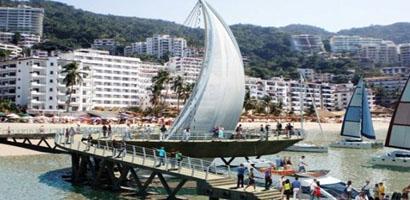 It's been a long road for one of the most iconic landmarks of Puerto Vallarta, but finally after more than two years in the making, on Friday, January 4, we'll have our renewed and beloved Pier back.
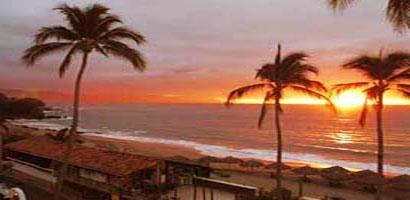 Puerto Vallarta's golden beaches and indigo waters invite carefree bayside relaxation. Playa Camarones ("Shrimp Beach") is thusly named because local fisherman used to beach themselves here to unload their daily shellfish catches on the sand. Kids will go crazy for the folklore behind the city's largest public beach, Playa de Los Muertos ("Dead Man's Beach"). Legend has it that this stretch of sand was a hub of pirate activity during the 17th and 18th centuries. Aspiring Jack Sparrows can dig for buried treasure while their parents unwind with a liquid treasure of their own.
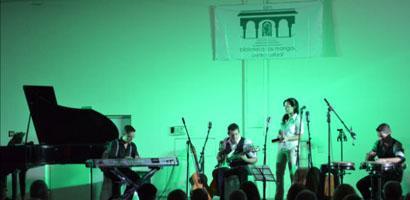 A benefit of the Biblioteca Los Mangos
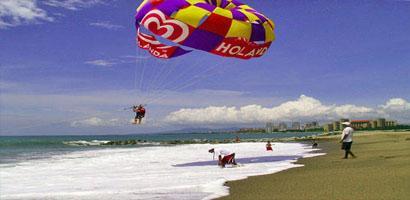 Once you manage to pass the time share hucksters at the Puerto Vallarta
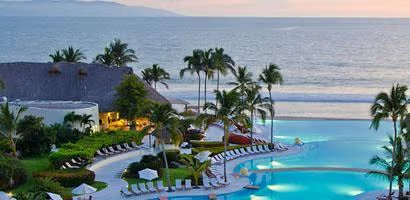 General:
 The wedding took place at Casa Aramara, the beachfront home of “Girls Gone Wild” founder Joe Francis.
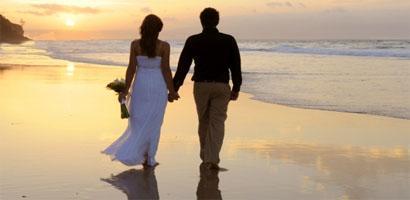 Marriage is truly a lifelong adventure, so why not start yours with an adventure wedding, immersed in a private tropical paradise?
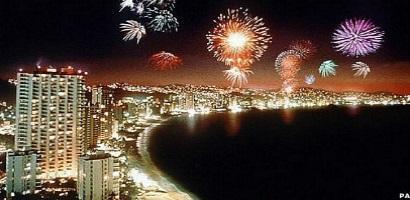
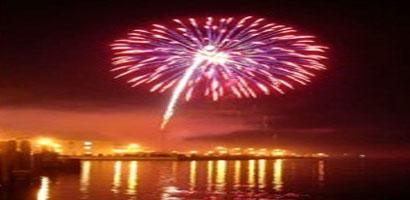 Anyone who has had the privilege of spending New Years in Vallarta
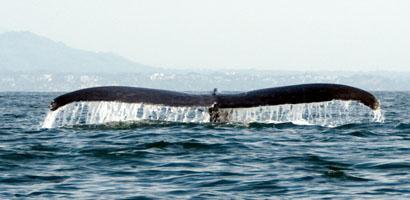 Experts say humpbacks has two types of sound,
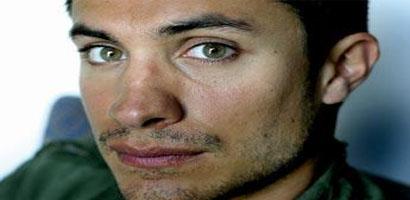 Gael García Bernal is not your average Hollywood movie star.
 For this Christmas we do a countdown of the 'Santa' sexiest Latinos.