








When a die-cast model car measuring roughly five centimetres sells out in hours and reappears on resale platforms at four times its original price, the instinct is to call it a supply-and-demand story. But the Hot Wheels frenzy surrounding the limited-edition Nissan Tsuru taxi, 3,500 units, exclusive to Mexico, originally listed at 5,000 pesos and reselling for up to 20,000, points to something larger and more structurally interesting than a simple inventory shortage.
It points to the growing commercial power of Mexican nostalgia: the willingness of consumers to pay a significant premium for objects that carry cultural memory, and the growing sophistication of brands, domestic and international, in recognising and monetising that willingness.
Nostalgia economies are not unique to Mexico. Japan has built entire retail categories around vintage character merchandise. The United States sustains a multi-billion dollar market for retro gaming hardware, vintage sportswear, and re-released consumer products from the 1980s and 1990s.
But Mexico's nostalgia economy has its own distinct character, rooted in a working-class material culture, shaped by objects that were never aspirational in the conventional marketing sense, and increasingly visible to global brands looking for authentic cultural entry points into one of Latin America's largest consumer markets.
What Makes an Object Nostalgia-Worthy in Mexico
Not every discontinued product becomes a cultural touchstone. The objects that achieve genuine nostalgic resonance in Mexico tend to share a specific set of qualities: they were present everywhere, accessible to most people regardless of income level, and associated with the texture of ordinary daily life rather than aspiration or luxury. The Tsuru fits this profile precisely. So does the Volkswagen Beetle, which achieved a comparable mythological status in Mexico for similar reasons, widespread availability, decades of continuous presence, strong association with taxi culture and working-class family life.
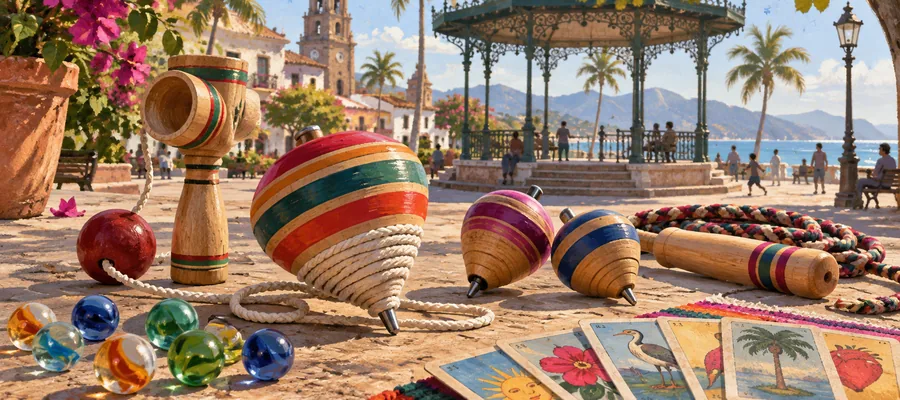
Food products follow the same pattern. Mexican consumers have demonstrated sustained enthusiasm for limited re-releases of discontinued snack brands, regional sodas, and candy products that have disappeared from regular retail. The reaction is rarely just commercial, it typically carries a social dimension, generating conversation, shared memory, and the particular pleasure of discovering that other people remember the same things you do. Social media has dramatically amplified this dynamic, turning product re-releases into cultural events with their own organic publicity cycles.
The Role of Limited Editions and Artificial Scarcity
The Hot Wheels Tsuru release was structured in a way that any student of collectible markets would recognise immediately: limited quantity, exclusive retail channel, nostalgic subject matter, and a price point high enough to signal collectibility without being completely inaccessible. The formula is not accidental. Mattel, Hot Wheels' parent company, has spent decades refining its understanding of collector culture, and the decision to produce a Mexico-exclusive, culturally resonant release reflects a deliberate strategy rather than a lucky guess.
The 3,500-unit ceiling created a classic scarcity dynamic. At that volume, there were never enough units to satisfy the demand generated by viral social media coverage, which meant that secondary market prices were likely to rise regardless of the original retail price. The collector's case and memorabilia included with the release added tangible value that supported the premium. And the pink CDMX taxi livery, controversial as it is among Tsuru purists who associate the car with its earlier green and yellow incarnations, gave the release a specific contemporary identity rather than a generic retro aesthetic.
The result was a product that functioned simultaneously as a toy, a collectible, a cultural statement, and a social media event, compressing multiple commercial functions into a single SKU of 3,500 units. From a brand strategy perspective, it is difficult to find fault with the execution, even if the two-door coupe body style remains a legitimate grievance among four-door sedan loyalists.
Broader Implications for Brands in Mexico
The Tsuru episode carries lessons that extend well beyond the collectibles market. For consumer brands operating in Mexico, or seeking to establish stronger cultural presence there, the underlying dynamic is instructive: Mexican consumers respond with unusual intensity to products that acknowledge and honour the specific texture of Mexican everyday life, rather than importing aspirational frameworks from other markets.
This is not a novel insight, but it is one that many international brands have historically underweighted. The Tsuru Hot Wheels succeeded not because it was a technically superior product, but because it was a culturally literate one. It knew what the car meant, rendered it with reasonable fidelity, and released it at a moment when Mexican social media's appetite for shared cultural reference was clearly present.
As Mexico's middle class continues to grow and its consumer market deepens, the nostalgia economy is likely to become a more prominent feature of the commercial landscape, not a niche category, but a recurring mechanism through which both established brands and new entrants can build genuine cultural equity. The Tsuru taxi in pink, reselling for the price of the real thing, is a small but vivid indicator of how much that equity is worth.
Frequently Asked Questions
Q: What is a nostalgia economy?
A: A nostalgia economy refers to the commercial market built around products, experiences, and objects that evoke personal or collective memories, typically from a consumer's childhood or formative years. Brands monetise this through limited re-releases, retro-styled products, and collectibles tied to culturally significant items.
Q: Why are limited-edition releases so effective as a marketing strategy?
A: Limited editions create scarcity, which drives demand beyond what the product's intrinsic value alone might generate. When combined with strong cultural resonance and social media amplification, the scarcity mechanism can create viral commercial events, as the Tsuru Hot Wheels release demonstrated.
Q: Are there other examples of Mexican nostalgia products with similar cultural impact?
A: Yes. Mexico has seen strong consumer responses to limited re-releases of discontinued snack brands, regional beverages, and candy products. The Volkswagen Beetle occupies a comparable mythological position to the Tsuru in Mexican automotive culture. Classic Mexican toy brands and regional food labels have also generated significant nostalgia-driven demand when reintroduced.
Q: How big is the collectibles market in Mexico?
A: The formal collectibles market in Mexico has grown considerably alongside the expansion of e-commerce platforms like Mercado Libre, which have made it easier to buy, sell, and price collectible items. While precise market size figures are difficult to establish, the secondary market premiums generated by releases like the Tsuru Hot Wheels suggest significant and growing consumer appetite.
Q: Why do working-class objects generate such strong nostalgia in Mexico specifically?
A: Mexico's cultural memory is substantially shaped by objects that were accessible to the majority of the population, items that appeared across income levels and regions rather than being associated with a specific social class or aspirational lifestyle. This broad-based familiarity gives certain objects an unusually wide nostalgic reach when they are re-evoked.
Q: What does the Tsuru Hot Wheels resale price tell us about Mexican consumer behaviour?
A: The willingness to pay 7,000 to 20,000 pesos for a collectible originally priced at 5,000 suggests that Mexican consumers place significant monetary value on culturally resonant objects, and that nostalgia, when attached to the right reference point, functions as a genuine driver of consumer spending rather than merely an emotional sentiment.