







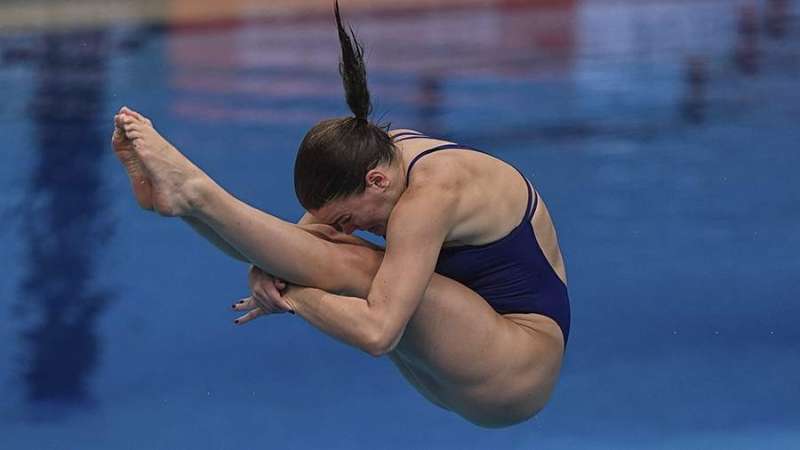
Zapopan, a municipality within the greater Guadalajara metropolitan area in Jalisco state, was set to host a World Aquatics Diving World Cup stop from March 5 to 8, 2026. It was to be a showcase moment for Mexican aquatics and for Jalisco's capacity to stage world-class international competition. That showcase will not happen. World Aquatics, in consultation with Aquatics Mexico, the Mexican Federation of Diving and High Diving, and CODE Jalisco, announced the cancellation of the event.
The reason, stated plainly in the official announcement: travel restrictions issued by some international embassies, combined with an overall evaluation of travel cautions, had limited or outright prohibited national teams from authorising their athletes to participate. With participation compromised, the event could not proceed. 'The safety and participation of all athletes remains a fundamental priority for World Aquatics,' the governing body stated.
The Practical Consequences for Athletes
The cancellation is not merely symbolic, it carries real consequences for the sport's competitive calendar. Qualification for the World Aquatics Diving World Cup Super Final in Beijing, China, scheduled for May 1 to 3, 2026, was set to be determined partly by results from the Zapopan stop. With Zapopan removed from the schedule, qualification will now be based solely on results from the World Aquatics Diving World Cup stop in Montreal.
For athletes who had structured their preparation with Zapopan in mind, particularly Mexican divers competing on home soil, one of the country's strongest Olympic sports disciplines, this represents a meaningful disruption. The reshuffled path to Beijing narrows the qualification window and removes a competitive opportunity that cannot simply be rescheduled.
Reading the Signal Carefully
It is worth being precise about what this cancellation does and does not mean. World Aquatics explicitly stated that it 'looks forward to having a future World Aquatics Diving World Cup stop in Zapopan', language that signals a diplomatic pause rather than a permanent withdrawal. The governing body credited the work of Mexican aquatics authorities and CODE Jalisco in preparing for the event, and framed the cancellation as a response to external circumstances rather than a verdict on Mexico's organisational competence.
That distinction matters for context. Mexico is a co-host of the FIFA World Cup 2026, with Guadalajara among the designated host cities. The cancellation of the Zapopan aquatics event raises questions about international perception and the readiness assessments being conducted by sports bodies operating within Mexico, but it does not change the World Cup hosting arrangement, which involves a different set of stakeholders, timelines, and security assessments.
What Comes Next for Mexican Sports Hosting
For Mexico's sports authorities, tourism sector, and federal government, the Zapopan cancellation underscores the importance of perception management ahead of the World Cup. International sports bodies, national Olympic committees, and foreign ministries are all conducting ongoing risk evaluations of destinations. A single cancellation does not define Mexico's standing as a host nation, but it does add to a body of signals that Mexican institutions will need to address with consistent, transparent communication.
The coming months, between now and the World Cup's opening in June 2026, represent a critical window for Mexico to demonstrate stability, hospitality readiness, and logistical competence to the international sports community. Jalisco, as both the site of this cancellation and a World Cup host region, has particular incentive to lead that effort.
Frequently Asked Questions
Q: Why was the Diving World Cup event cancelled in Zapopan?
A: World Aquatics cited travel restrictions issued by international embassies and an overall evaluation of travel cautions that limited or prohibited national teams from authorising their athletes to compete at the Zapopan stop.
Q: Will the Zapopan event be rescheduled?
A: World Aquatics stated that it looks forward to holding a future Diving World Cup stop in Zapopan, indicating the cancellation is a pause rather than a permanent withdrawal. No rescheduled date has been announced.
Q: How does this affect qualification for the Beijing Super Final?
A: Qualification for the World Aquatics Diving World Cup Super Final in Beijing (May 1–3, 2026) will now be based solely on results from the Montreal stop, as the Zapopan stop has been removed from the schedule.
Q: Is Mexico still co-hosting the FIFA World Cup 2026?
A: Yes. Mexico remains a co-host of the FIFA World Cup 2026, with Guadalajara among the designated host cities. The cancellation of the aquatics event involves a separate governing body and does not affect World Cup arrangements.
Q: Is diving one of Mexico's strongest Olympic sports?
A: Yes. Mexico has a distinguished history in competitive diving at the Olympic level, making the loss of a home-soil World Cup stop particularly significant for the country's athlete development and qualification pathways.