







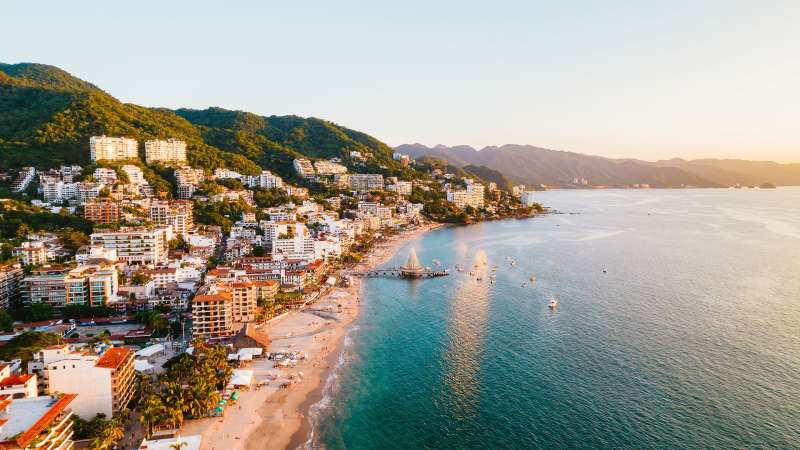
Puerto Vallarta is moving with speed and institutional coherence to restore economic activity following the operational disruptions of late February. The municipal government, state authorities, and the city's private sector have aligned behind a structured recovery programme combining direct financial relief for affected businesses, streamlined administrative procedures, and a coordinated promotional campaign aimed at protecting the destination's reputation as one of Mexico's premier tourism markets.
The pace and breadth of the response signal something important about Puerto Vallarta's institutional capacity. Rather than waiting for conditions to normalise organically, the city assembled a formal support framework within days, coordinating across levels of government and across industry associations that do not always move in unison. The speed reflects both the economic centrality of tourism to the city and the depth of the stakeholder networks that have developed around it.
What the Municipal Support Package Contains
During a recent council session, Mayor Luis Munguía's administration approved an initiative presented by Councilman Víctor Manuel Bernal Vargas to provide subsidies covering municipal license fees and permits required for businesses that need to remodel, rebuild, or repair damaged properties. The measure targets the administrative costs that can slow reopening and create cash-flow pressure for businesses already managing disruption-related losses.
Alongside the subsidy programme, the Jalisco Business Development Fund (FOJAL) will make a dedicated fund available to provide financial support and loans to affected local businesses as they resume operations. City departments were instructed to streamline administrative procedures so that business owners can complete the required steps without delays, an acknowledgement that bureaucratic friction in a recovery period can be as damaging as the initial disruption.
The explicit goal, as stated by municipal officials, is to help affected establishments reopen as quickly as possible and allow hundreds of employees to return to work and recover their income. Framing the recovery in terms of employee income, not just business revenue, reflects the political and social reality that a large share of Puerto Vallarta's working population is directly employed in the tourism and hospitality sectors that were most affected.
A Stakeholder Coalition Across Industry Sectors
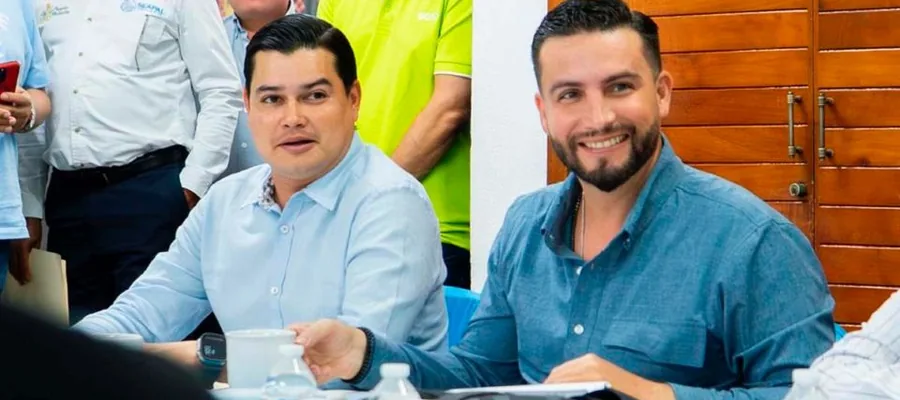
Mayor Munguía convened a working meeting with representatives from the tourism, hospitality, restaurant, and business sectors to coordinate recovery strategies. The organisations at the table included the National Chamber of Commerce, Services and Tourism (Canaco Servytur), the Employers' Confederation of the Mexican Republic (Coparmex), the National Chamber of Small Businesses, Services and Tourism (Canacope), and the Puerto Vallarta and Banderas Bay Hotel Association.
The inclusion of both large and small business representatives, from a national employers' confederation to the small business chamber, is significant. Recovery programmes that address only large or formal-sector businesses often leave behind the informal and micro-enterprise segments that are numerically dominant in a tourist city's commercial ecosystem. Puerto Vallarta's approach, at least in design, attempts to reach across that spectrum.
State engagement has reinforced the municipal effort. Following a dialogue between Mayor Munguía and Jalisco Governor Pablo Lemus, the state government reiterated its commitment to working with local authorities and the private sector to ensure tourism activity continues without disruption, including for upcoming events and hotel occupancy targets.
Protecting the Destination's Reputation
A central pillar of the joint strategy is the active management of Puerto Vallarta's image as a tourism destination. Municipal and business leaders have emphasised the need for clear, institutional communication to provide certainty to both international and domestic travellers. The stated objective is to counteract misinformation with official data and transparent updates, a communication posture that reflects awareness of how quickly negative narratives can spread and how costly they are to correct.
The municipal authorities and business chambers are designing a unified promotional campaign intended to strengthen visitor confidence and signal to the market that Puerto Vallarta is open, operational, and welcoming. This relaunch strategy is designed not merely to recover lost ground but to reaffirm the destination's position in a competitive tourism market where traveller confidence, once shaken, requires deliberate and sustained effort to rebuild.
The operational evidence available so far supports the case for confidence. Hotel occupancy in Puerto Vallarta remains around 80%, tourists already in the city have largely chosen to complete their planned stays rather than leave early, and air operations at the city's international airport have been fully restored. The recovery infrastructure is being built on a foundation that has proven more resilient than many outside observers anticipated.
Frequently Asked Questions
Q: What subsidies is Puerto Vallarta offering to affected businesses?
A: The municipal government approved subsidies to cover municipal license fees and permits required for businesses that need to remodel, rebuild, or repair damaged properties. The Jalisco Business Development Fund (FOJAL) is also making a dedicated loan fund available to provide financial support to businesses resuming operations. City departments have been instructed to streamline administrative procedures to reduce delays in the reopening process.
Q: Which business sectors are covered by Puerto Vallarta's recovery measures?
A: The recovery programme targets businesses impacted by the late February disruption, with a particular focus on the tourism, hospitality, restaurant, and retail sectors that are central to Puerto Vallarta's economy. Both large and small businesses are included in the framework, with participation from the national employers' confederation and the small business chamber alongside the hotel association.
Q: What is FOJAL and how does it support small businesses in Jalisco?
A: FOJAL is the Jalisco Business Development Fund, a state-level financial institution that provides loans and financial support to micro, small, and medium-sized enterprises in Jalisco. In the context of Puerto Vallarta's recovery, FOJAL is making a dedicated fund available specifically for businesses affected by the late February disruption, offering financing to support reopening and operational recovery.
Q: Is Puerto Vallarta open for tourism in March 2026?
A: Yes. Puerto Vallarta is fully open for tourism. Hotel occupancy is running at approximately 80%, airports are operating at full capacity with no cancellations, and the hospitality and restaurant sectors are actively receiving visitors. The municipal government and hotel association have both confirmed normal operations and ongoing visitor confidence.
Q: How is Puerto Vallarta managing its destination reputation during the recovery?
A: Municipal authorities and business chambers are pursuing a dual strategy: active, transparent communication based on official data to counteract misinformation, and a coordinated promotional campaign to reaffirm Puerto Vallarta's position as a premier global destination. The strategy involves all three levels of government and the principal industry associations, aiming to project a unified and credible message to both domestic and international travellers.
Q: What role is the Jalisco state government playing in Puerto Vallarta's recovery?
A: Governor Pablo Lemus met with Mayor Munguía and reiterated the state government's commitment to working with local authorities and the private sector to ensure tourism activity continues without disruption. State support complements the municipal measures, and FOJAL, a state-level institution, is providing the loan component of the business recovery package.