







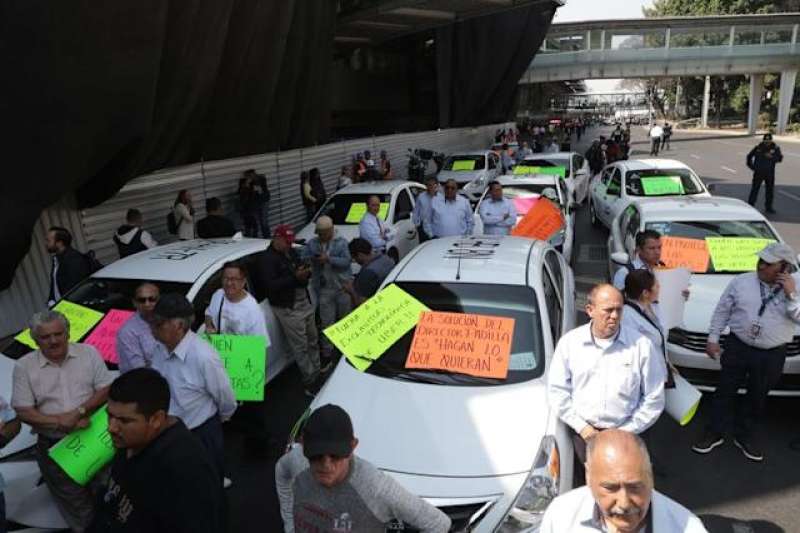
The conflict between concessioned taxi operators and ride-hailing platforms at Mexico City International Airport is the current version of a regulatory dispute that predates the platforms themselves. The airport taxi concession system was designed to protect a controlled number of licensed operators with guaranteed access to the airport's passenger pool. Digital mobility platforms disrupted that model without a corresponding change in the regulatory framework.
How Airport Taxi Concessions Work
Concessioned airport taxis operate under licences issued by federal authorities that grant them the right to pick up passengers from terminal zones in exchange for compliance with pricing, vehicle, and safety standards. The concession model creates a closed market: only licensed operators can originate trips from inside the airport. This is distinct from street taxi regulation, which operates under different licensing frameworks.
Concession holders pay for their licences and invest in compliant vehicles. The concession system's logic is that passengers at an airport, many of whom are unfamiliar with local conditions, benefit from a regulated, identifiable transport option with known pricing and safety standards. The concession fee also generates revenue for airport operations.
The number of concessions is fixed rather than unlimited, which means existing concession holders have a commercial interest in preventing new operators from entering the airport pick-up market. This structural incentive shapes the taxi sector's resistance to ride-hailing, which is not simply about consumer preference but about market access rights that concession holders paid for.
Uber Since 2013, DiDi Since 2018, No Definitive Rules Yet
Uber launched in Mexico City in 2013 and began creating direct conflict with concession holders within a few years as drivers started accepting airport pick-ups. The Secretariat of Infrastructure, Communications and Transport did not immediately issue definitive regulations on whether ride-hailing pick-ups in federal airport zones were permitted or prohibited.
That regulatory gap is the origin of the current dispute. In its absence, ride-hailing services operated. When enforcement attempts were made, companies challenged them through the amparo process. The pattern has repeated across multiple years without resolution. DiDi entered the Mexican market in 2018, deepening competitive pressure and expanding the number of vehicles potentially seeking airport pick-ups.
Tournament planners want maximum transport options for arriving international visitors. Any temporary relaxation of the pick-up restriction during the World Cup would be commercially and politically difficult to reverse afterward. Concession holders would resist a change that could become permanent through practical precedent. A definitive solution would need to either compensate concession holders or reaffirm their exclusive rights in a way enforceable against the amparo challenge. Neither has happened.
Frequently Asked Questions (FAQs)
Q: What is a concessioned airport taxi and how does the system work?
A: Concessioned airport taxis operate under federal licences granting them exclusive rights to pick up passengers from terminal zones. Concession holders pay for their licences and maintain compliant vehicles and safety standards. The concession model creates a closed market where only licensed operators can originate trips inside the airport. The number of concessions is fixed, giving existing holders a commercial interest in preventing new operators from entering the pick-up market.
Q: When did ride-hailing services start creating conflict at Mexico City airport?
A: Uber launched in Mexico City in 2013 and began creating direct conflict with concessioned taxi operators within a few years as drivers started accepting airport pick-ups through the app. The Secretariat of Infrastructure, Communications and Transport did not immediately issue definitive regulations on whether ride-hailing pick-ups in federal airport zones were permitted, and that regulatory gap is the origin of the current dispute.
Q: Why has the dispute not been resolved despite years of conflict?
A: The pattern of enforcement attempts followed by amparo injunctions has repeated across multiple years without a final regulatory or legal resolution. A definitive solution would need to either compensate concession holders for loss of their protected market or reaffirm the concession system's exclusive rights in a way enforceable against constitutional challenge. Neither outcome has been achieved.
Q: How does the World Cup affect the airport transportation dispute?
A: Tournament planners want maximum transport options for arriving international visitors, creating pressure for a resolution. However, any temporary relaxation of the pick-up restriction during the tournament would be commercially and politically difficult to reverse afterward. Concession holders would resist a temporary change that could become permanent through practical precedent. The World Cup has increased pressure without changing the underlying interests of the parties.
Q: When did DiDi enter the Mexican market and how did it affect the dispute?
A: DiDi entered the Mexican market in 2018, deepening competitive pressure on concessioned operators and expanding the number of ride-hailing vehicles potentially seeking airport pick-ups. Its arrival broadened the conflict beyond Uber alone, making a bilateral regulatory agreement between the government and a single platform insufficient to resolve the dispute.