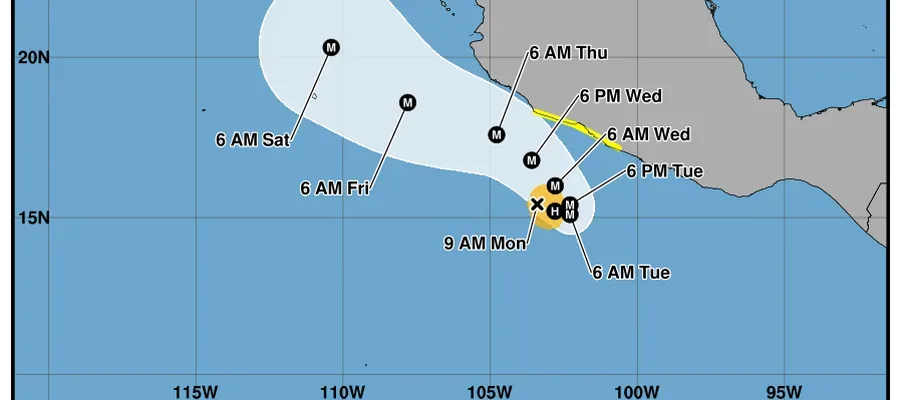








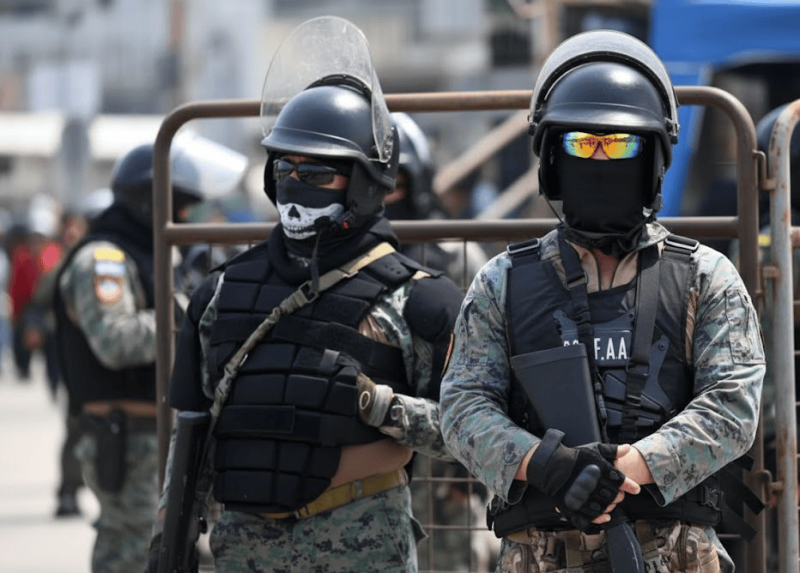
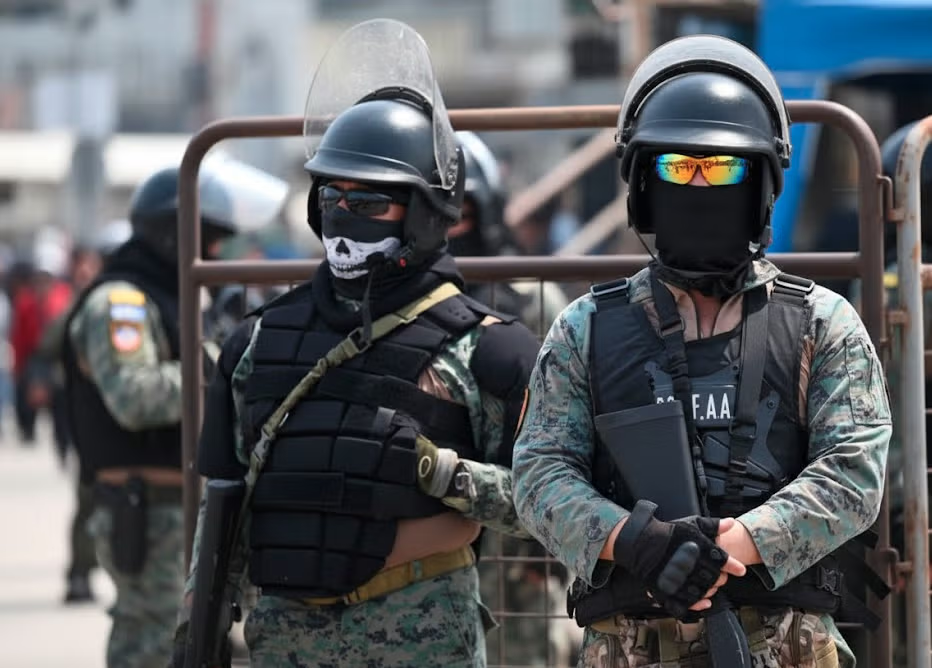
Western Mexico faced a decisive intersection of momentum and fragility this week as a major military operation against regional organized crime triggered a wave of emergency security measures. Road blockades, vehicle fires, and localized violence forced authorities to place Puerto Vallarta and Guadalajara under heightened alert. The disruptions affected transit routes and led to the temporary suspension of several public events, underscoring how quickly security developments can ripple across the state.
For the residents and business owners of Vallarta, these disruptions are not abstract geopolitical events but immediate tests of the city's tourism-dependent economy. The situation forced an urgent reassessment of how the region balances its aggressive 2026 growth targets with the persistent reality of security volatility in the state of Jalisco.
The Tourism Economy Remains Unfazed by Regional Security Disruptions
The striking reality of the past week is that the economic trajectory of Jalisco’s tourism sector has not suffered a significant slowdown. Airport data illustrates this resilience clearly: Puerto Vallarta International Airport handled nearly 6.95 million passengers in 2025, marking a 2.1% annual increase and continuing a multi-year growth trend.
This paradox defines the current state of the region. While global headlines focus on cartel-related activity, infrastructure expansion continues. Passenger volumes rose from roughly 6.8 million travelers in 2024 to almost seven million in 2025, reflecting sustained international demand and strong domestic travel growth.
The city’s value proposition has shifted away from novelty toward maturity. Vallarta is no longer selling only beaches or nightlife; it is increasingly positioning itself as a destination capable of absorbing sudden shocks and resuming operations quickly, with air connectivity acting as the clearest indicator of confidence.
Public Health Emergencies Create a Dual Risk Environment for 2026 Planning
Security is currently only one layer of the operational risk in Jalisco. A measles outbreak has forced authorities into an intensified containment phase, with vaccination campaigns and health monitoring protocols being implemented ahead of major international travel cycles expected in 2026.
Tourism planners now navigate a layered risk environment where perception of public health can influence travel demand as strongly as security narratives. Historically, Vallarta’s advantage in these scenarios has been administrative agility. Rapid coordination between health officials, hotels, and transport operators has helped the city avoid broad shutdowns, favoring targeted responses instead.
Security Headlines Fail to Erase Long-Term Luxury Demand in the Marina District
Current market behavior suggests that security incidents are no longer erasing demand but are instead reshaping traveler behavior. Long-stay visitors, retirees, and digital professionals are increasingly choosing controlled environments, private villas, gated communities, and managed resorts, where safety protocols and healthcare access are integrated into the experience.
Puerto Vallarta is effectively consolidating its position as a resilient luxury hub. While short-term booking windows may fluctuate following security alerts, air traffic growth and ongoing infrastructure investment suggest that long-term demand remains structurally intact.
The Speed of Recovery Becomes the Core Strategy for the Next Tourism Cycle
The defining story of February 2026 is not simply the military operation itself but the rapid normalization that followed. Jalisco is entering a period where infrastructure expansion, global event hosting, and security management must operate simultaneously rather than sequentially.
Destinations able to manage both narratives, growth and risk, are increasingly dominating Mexico’s tourism market. Vallarta’s strategy is shifting accordingly. Recovery speed, operational continuity, and investor confidence are becoming the key metrics by which the city is judged.
For investors and industry observers, the critical signal is no longer the absence of disruption but the efficiency of response. In that sense, Vallarta’s trajectory suggests that resilience, not stability alone, has become the defining currency of the region’s tourism future.
FAQs
How is the current security alert in Jalisco affecting luxury travel to Puerto Vallarta?
While the state of Jalisco triggered emergency measures following recent military operations, the impact on Puerto Vallarta has been characterized by heightened surveillance rather than a total shutdown. Major luxury corridors, including the Marina Vallarta and the Zona Romántica, are operating as usual. High-end travelers are currently prioritizing private transportation and resort-based stays to mitigate transit disruptions, a trend that has allowed the city's premium sector to remain resilient throughout the alert period.
What are the specific health protocols for travelers regarding the measles outbreak in Jalisco?
Authorities have implemented mandatory health screenings and vaccination checks at the Puerto Vallarta International Airport and major bus terminals. Travelers are advised to carry digital proof of immunization, especially before entering high-density zones or international events. Unlike previous health crises, the 2026 response is surgical, focusing on containment and monitoring rather than broad business closures, allowing the tourism industry to maintain its momentum ahead of the World Cup season.
Is it safe for digital nomads and retirees to remain in the city during these alert cycles?
The international community in Vallarta typically remains in place during these "security jolts," as the city's private security infrastructure is highly sophisticated. Most long-term residents and digital nomads have adopted a policy of "informed caution," staying updated through local channels while continuing their daily routines. The consensus among the expat community is that Vallarta’s ability to return to a state of "business as luxury" within 24 hours of an incident is a testament to its status as a secure, long-term sanctuary.