







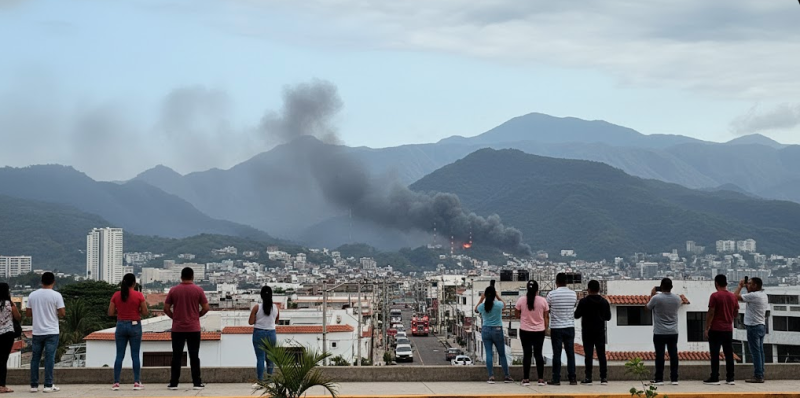
Puerto Vallarta has faced sudden turbulence in recent days. Security incidents across Jalisco disrupted transport networks, triggered flight cancellations, and led to temporary travel advisories. For a destination built on reliability and accessibility, the shock was immediate, but not necessarily permanent.
History shows that resort cities often recover quickly from instability. The key question now is whether Puerto Vallarta can simply bounce back, or strategically reposition itself for a stronger tourism future.
Mobility and Bookings will Hit Current Short-Term Shock First
The most visible impact has been logistical. Airlines suspended or delayed dozens of flights, while road blockades made access to the airport difficult for both tourists and workers.
For hotels and tour operators, this translated into last-minute cancellations, shorter stays, and a temporary drop in arrivals, a familiar pattern whenever transport disruptions hit a resort destination.
Yet the airport itself remained secure and operational, under federal protection, signaling that the disruption was external rather than structural. That distinction matters. Tourism confidence tends to recover faster when infrastructure remains intact.
Are Resorts Quietly Discounting?
While official pricing shifts rarely appear immediately, industry patterns suggest a predictable response.
When flights stall and bookings soften, hotels often deploy tactical incentives rather than public discounts, including: free upgrades, flexible cancellation policies, bundled experiences or dining credits, targeted promotions through travel agents.
These strategies protect brand perception while stabilizing occupancy rates. For Puerto Vallarta’s resort-heavy economy, they also help keep workers employed during uncertain weeks.
Local Businesses Feel the Ripple Effects First
Independent businesses typically experience disruption before large resorts do.
Restaurants, tour operators, and small transport providers rely heavily on daily visitor flow. When mobility drops, revenue falls almost instantly. Some operators report shorter booking horizons, meaning travelers are still coming, but waiting until closer to arrival dates before committing.
This behavioral shift matters more than cancellations themselves. It reflects hesitation, not rejection.
Turning Inward: Domestic Tourism as a Buffer
Mexico’s domestic travel market has grown steadily in recent years, and Puerto Vallarta is increasingly appealing to middle-class Mexican travelers seeking beach escapes without international travel costs.
If international arrivals soften, the city may lean more heavily on:
- Weekend visitors from Guadalajara and Mexico City
- National holiday travel surges
- Regional tourism from western Mexico
Domestic visitors typically spend less per day but travel more frequently, creating a stabilizing effect during uncertain periods.
Cruise Tourism: A Double-Edged Sword
Cruise tourism provides both opportunity and vulnerability. When ships dock, thousands of passengers enter the city at once, injecting immediate spending into restaurants, tours, and shops. But cruise routes are also highly sensitive to perceived risk.
Even brief itinerary changes can redirect entire waves of visitors elsewhere. Still, cruise lines often return quickly once stability resumes, especially to destinations with strong port infrastructure and established tourist services. Puerto Vallarta fits that profile.
A Test of Resilience, Not Reputation
Tourism markets tend to react quickly to headlines but even faster to reassurance. Puerto Vallarta’s brand remains strong: a well-developed resort city with modern infrastructure and international recognition.
If transport reliability stabilizes and communication remains clear, the current disruption may ultimately function less as a crisis and more as a stress test, revealing how adaptable the local tourism ecosystem truly is.
For cities built on travel, resilience is often the most valuable asset of all.
FAQs
Is Puerto Vallarta safe for tourists right now?
Authorities report that the airport and tourist zones remain secure, though transport disruptions and advisories have occurred due to regional security incidents.
Were flights actually cancelled?
Yes. Many flights into Puerto Vallarta were cancelled or delayed due to road closures and security concerns affecting airport access.
Did cruise ships cancel stops?
Some cruise lines rerouted or skipped port calls during the peak disruption period, though such changes are often temporary.
Will tourism demand recover quickly?
Historically, resort destinations with intact infrastructure rebound quickly once travel logistics normalize.