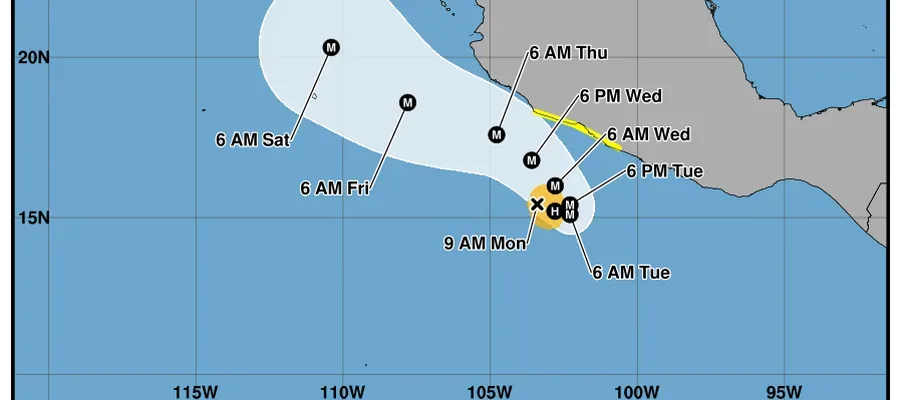








The killing of Nemesio Rubén Oseguera Cervantes, leader of the Cártel Jalisco Nueva Generación, triggered an immediate wave of operational disruption that went far beyond security headlines. According to U.S. authorities, criminal retaliation included road blockages, vehicle burnings, and localized violence across several states, including Jalisco.
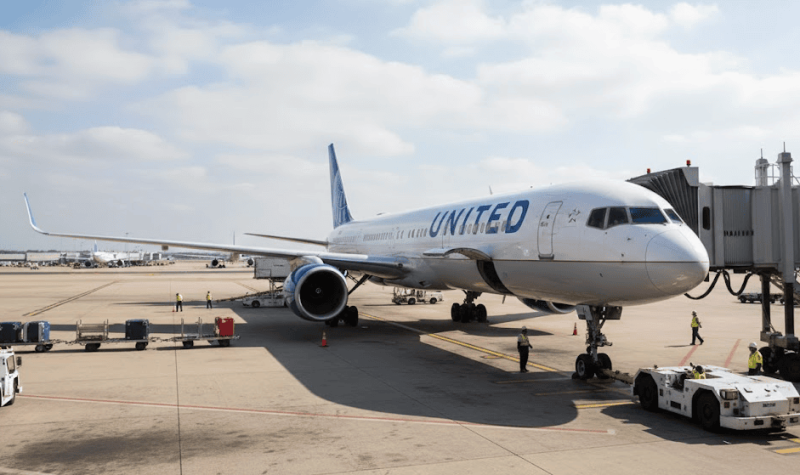
What turned this from a law-enforcement story into an economic one was the speed at which airlines and logistics networks reacted. Several carriers suspended or canceled flights to Puerto Vallarta and nearby hubs, citing the evolving security situation and uncertainty about airport access.
This matters because air connectivity is not just tourism infrastructure, it is a backbone for supply chains, seasonal labor mobility, and high-value exports moving through western Mexico. When aviation pauses even briefly, the effects cascade into hospitality staffing, freight movement, and business travel schedules.
Diplomatic alerts reveal how fast risk perception travels
The U.S. State Department’s shelter-in-place warning covered Jalisco and several other states, explicitly naming tourist centers and urging citizens to limit movement amid ongoing operations and criminal activity. According to Forbes
Diplomatic alerts like this are less about immediate evacuation and more about information signaling. Once issued, they influence insurers, multinational firms, cruise planners, and event organizers almost instantly.
In practice, the announcement shifts how Mexico is discussed inside boardrooms and embassies. Even if daily life in most areas remains stable, the perception of uncertainty can alter booking patterns, corporate travel approvals, and investment timing for months.
Why this incident matters beyond security policy
The death of a cartel leader is often framed as a victory for enforcement. Strategically, however, such moments introduce volatility into regional power balances. Analysts expect short-term spikes in territorial disputes or retaliation as groups reposition themselves. According to Fortune
That volatility is precisely what global markets dislike. Investors do not only measure violence itself; they measure unpredictability.
From that perspective, the real impact of this episode may not be the clashes themselves but the uncertainty window they create. Logistics firms, insurers, and airlines price that uncertainty into decisions, and those pricing shifts shape economic flows long after the immediate violence fades.
The longer-term signal for Mexico’s international positioning
Mexico has spent the past decade positioning itself as both a tourism powerhouse and a manufacturing alternative to Asia. Episodes like this test that dual identity.
If authorities maintain stability in transport corridors and urban centers, the event will likely be remembered as a contained shock. If disruptions persist, it risks reinforcing the narrative that security risks remain structurally embedded in key regions.
For global observers, this is less about one cartel leader and more about institutional resilience how quickly airports reopen, highways clear, and diplomatic alerts downgrade. Those indicators, more than headlines, will determine how the world recalibrates its confidence in Mexico’s stability through 2026.
FAQ
Is the US increasing security cooperation with Mexico after the cartel leader killing?
Yes. According to reporting from major US media and policy analysts, the incident is expected to intensify intelligence sharing and cross-border surveillance cooperation between the two countries.
Could the killing affect US border policy?
Possibly. According to US political commentary and security briefings, cartel instability often feeds into domestic debates on migration, border control, and fentanyl trafficking.
Does this mean US military involvement in Mexico?
No direct intervention is expected. According to diplomatic and security analysts, cooperation typically focuses on intelligence, training, and joint operations rather than troop deployment.
Will this impact tourism or cross-border travel?
Indirectly at most. According to regional security assessments, travel impacts usually depend on local conditions rather than single cartel incidents.
Why does Washington treat cartel violence as a strategic issue?
Because, according to US national security frameworks, cartel activity is tied to drug flows, migration pressure, and regional stability, all considered domestic security concerns.