







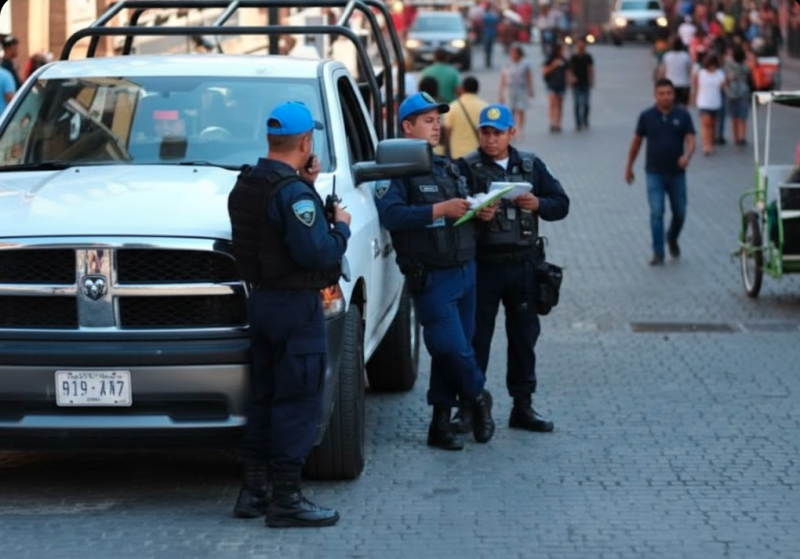
Mexico entered a volatile moment this week after the killing of Nemesio Oseguera Cervantes, known as “El Mencho,” the longtime leader of the Jalisco New Generation Cartel (CJNG). The operation, carried out by Mexican forces in Tapalpa, triggered violent retaliation across multiple states, including roadblocks, vehicle burnings, and disruptions to public transport systems. According to Saudi Gazette, the response spread quickly beyond rural strongholds into urban infrastructure networks, demonstrating how deeply cartel logistics are embedded in transportation corridors.
For Jalisco, the implications go beyond the loss of one criminal leader. The CJNG developed a decentralized operational model over the past decade, meaning the death of its figurehead does not eliminate its presence. Instead, it often produces short-term instability as local factions test territorial control and state forces increase deployments. This pattern has historically resulted in sudden spikes of visible violence followed by periods of recalibration rather than immediate long-term peace.
Tourism Zones and Perception Risk
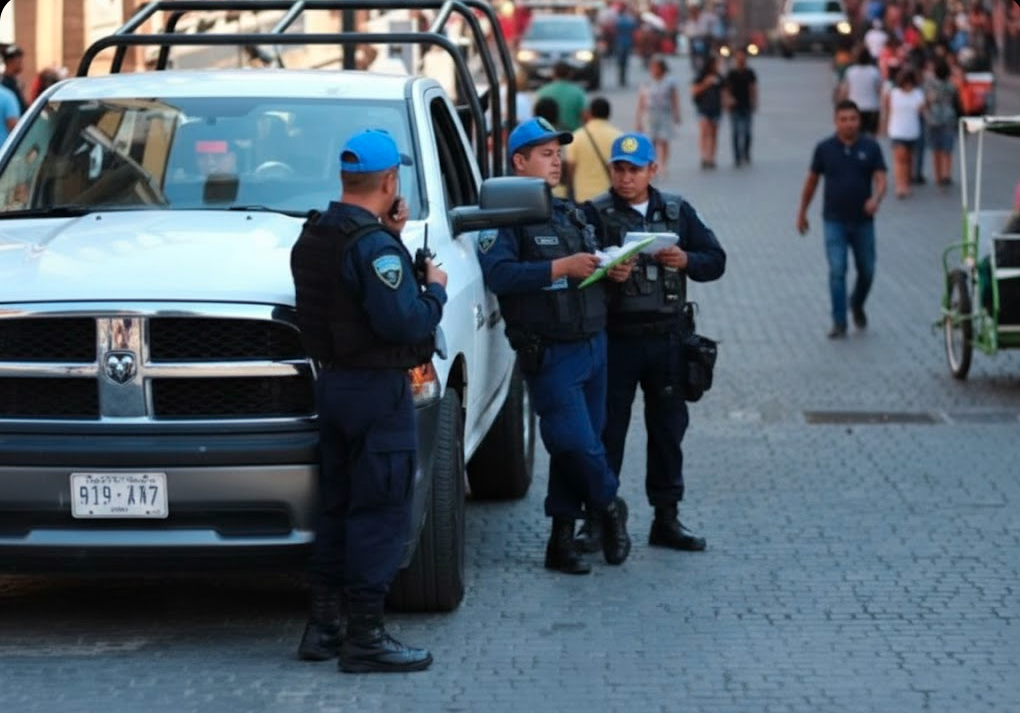
Puerto Vallarta sits at the intersection of two realities: a global luxury destination and the coastal outlet of a state that remains strategically important for organized crime. Reports emerging after the operation indicated smoke from fires and transport disruptions in the wider region, highlighting how cartel retaliation tactics aim to create symbolic visibility rather than sustained territorial occupation. According to security reporting - KQ2 News, such actions often target roads, fuel logistics, or transit routes to generate headlines and pressure authorities rather than directly threaten tourism economies.
For the travel sector, perception can be as influential as physical risk. International advisories, flight disruptions, and social media footage often shape traveler sentiment more rapidly than on-the-ground realities. This creates a familiar tension in Mexican tourism hubs: the infrastructure supporting visitors remains operational, but global narratives fluctuate quickly depending on national security developments.
Why Urban Corridors Matter More Than Rural Strongholds
Security analysts increasingly note that cartel strategy has shifted from rural control toward urban mobility networks. Highways, ports, and supply routes provide economic leverage, and disrupting them sends stronger signals than isolated confrontations in remote areas. According to Saudi Gazette, retaliation following the CJNG leader’s death included coordinated roadblocks and fires across several states, illustrating how organized crime now communicates power through logistics disruption rather than territorial occupation alone.
This matters for coastal destinations like Puerto Vallarta because they function as nodes within those same mobility systems. Tourism depends on stable transport flows, airline schedules, and supply chains. Even limited disturbances in those systems can ripple outward into travel planning, insurance costs, and investor sentiment, regardless of whether the destination itself experiences direct violence.
What It Means for Vallarta’s Position
Historically, Puerto Vallarta has shown resilience during national security cycles. Tourism demand tends to recover quickly when authorities restore order and infrastructure remains intact. The city’s international visitor base, diversified property market, and strong service economy often insulate it from prolonged downturns.
However, the current moment underscores a broader structural truth: coastal destinations in Mexico are increasingly evaluated not just as leisure spaces but as strategic urban nodes within national security geography. Events unfolding inland can now influence travel narratives within hours, meaning destination branding must continuously reinforce stability, connectivity, and transparency.
The Strategic Narrative Going Forward
The death of a cartel leader is often framed as a decisive victory, but historically these events mark transitions rather than conclusions. What follows is usually a period of fragmentation, negotiation, and state pressure as competing actors attempt to redefine control.
For tourism hubs like Puerto Vallarta, the key story is less about violence itself and more about continuity: airports operating, resorts functioning, and visitor flows stabilizing after national shocks. The resilience of those systems ultimately shapes how global audiences interpret Mexico not as a single security narrative, but as a complex landscape where luxury tourism and national security dynamics coexist in uneasy balance.
FAQ
Who was Nemesio Oseguera Cervantes (“El Mencho”)?
He is widely identified by authorities as the longtime leader of the Jalisco New Generation Cartel (CJNG), one of Mexico’s most powerful organized crime groups.
Why is his killing considered significant for Mexico’s security landscape?
Security analysts note that removing a cartel leader often creates temporary instability as factions compete for influence rather than immediately reducing violence.
Did the retaliation directly target tourist areas like Puerto Vallarta?
Reports indicate that most retaliatory actions focused on transport routes and infrastructure rather than tourist zones themselves.
Why do roadblocks and vehicle burnings matter economically?
Even limited disruptions to highways or logistics can influence flight schedules, supply chains, and international perception of safety.
Does cartel leadership change usually bring long-term peace?
Historically, leadership removals tend to trigger short-term volatility followed by organizational restructuring rather than immediate stabilization.
How does this affect Puerto Vallarta’s tourism outlook?
Tourism performance in Vallarta has historically depended more on infrastructure continuity and rapid recovery than on national-level security headlines.