a-losmangos-4

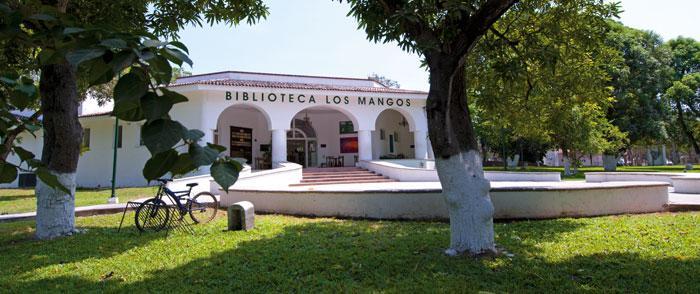
The much beloved Los Mangos Library is more than just a place to borrow a good read; it’s a major center of arts and culture in Puerto Vallarta.

Located in the Los Mangos neighborhood, so named for the beautiful native mango trees that grow there, the Los Mangos Library, or biblioteca as it is called in Spanish, is an important part of the cultural scene of the city. The library was the dream of the Pro Biblioteca de Vallarta association who started working to raise funds for the building in 1992. In 1996, the Los Mangos Library opened its doors with 6000 volumes on the shelves. 17 years later, the library now houses 27 000 books in English and Spanish and serves over 200 users per day.

But more than just books, the library is a community center offering classes and services including:

  • Guitar and piano lessons
  • Flamenco, traditional and ballet dance classes
  • Wifi workstations
  • Film club
  • Art exhibitions
  • Saturday SPCA pet adoptions
  • Children’s center

Visit Los Mangos Library and take advantage of this cultural treasure right here in Puerto Vallarta.

[readon1 url="http://sarahelengornrealestate.com/blog/2014/july/los-mangos-library/"]Source:sarahelengornrealestate.com[/readon1]


 530826168 38276511National Geographic Explorer Dr. Kenny Broad recently shared his knowledge with participants in the Punta Mita Beach Festival, an annual event held at the St. Regis resort in Punta Mita, Mexico. Broad, an environmental anthropologist and the father of two sons, suggests these five destinations for families interested in exploring the natural world.

1 Yucatán Peninsula. Head to this region of southeastern Mexico, flanked by the Caribbean Sea and the Gulf of Mexico, for a sampling of jungle, Mayan ruins, sinkholes and beautiful beaches, advises Broad. “Families will learn about the thousands of sinkholes, or cenotes, that provide fresh water.” Some are accessible for swimming, snorkeling and diving. The cenotes, considered gateways to the underworld, play an important role in the ancient and contemporary Mayan culture. Lodging options range from luxury hotels to cottages on the beach.
Contact: mundomaya.travel/yucatan; travelyucatan.com

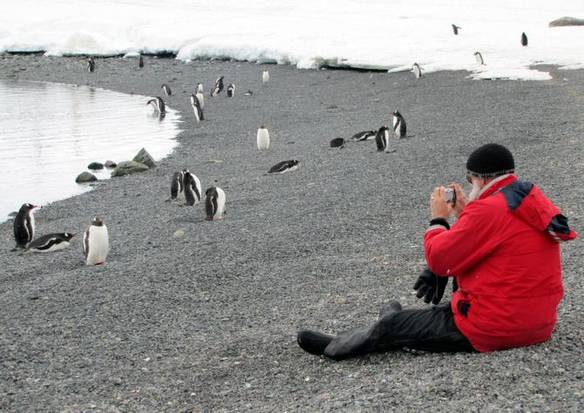
2 Antarctica. “I don’t like to be cold, but it is such an important place to see,” says Broad, who teaches at the University of Miami. “You’ll see penguins, whales and so much ice in the coldest and oldest continent on the planet.” Visitors explore by kayak, Zodiac inflatable boat and on foot, paddling around icebergs, encountering leopard seals and appreciating the dramatic landscape. “The voyage itself,” Broad adds, “is like taking a step back in time.”
Contact: nationalgeographicexpeditions.com/expeditions/antarctica-cruise/detail

3 Costa Rica. “This is a country that is changing quickly,” Broad says of the Central American gem. “It’s worth a visit for its diversity alone.”
“Expect volcano hikes, dense jungle, colorful birds and other wildlife,” he said. “The people are very friendly and welcoming.” Bordered by the Caribbean Sea and the Pacific Ocean, there are plentiful water activities, and the surfing is great.
Contact: visitcostarica.com

4 The Bahamas. “The Bahamas are environmentally very healthy,” says Broad, who has done extensive research documenting the region’s Blue Holes. “With more than 700 islands, cays and islets to explore, there is much to see and do. Children can observe baby fish in the mangroves and learn about how they move to the coral reefs and beyond. And, the diving is exceptional.” Once a haven for pirates, including the famed Blackbeard, the Bahamas are now a family-friendly destination, with an emphasis on preserving their culture and natural beauty.
Contact: bahamas.com

5 Peru. “This is an amazing country,” Broad says of the mountainous land on the western coast of South America. “Lima, Peru’s largest city, has incredible museums and interesting food. And then you have the option to visit Macchu Picchu, hike the Inca Trail and to explore the diversity of the Amazon. There is such a rich culture, and the people are so kind,” he says.
Contact: peru.travel

  lynnhayes Lynn O'Rourke Hayes This email address is being protected from spambots. You need JavaScript enabled to view it.
     

[readon1 url=">http://www.dallasnews.com/lifestyles/travel/columnists/lynn-o_rourke-hayes/20140801-family-travel-expert-offers-insight-on-worlds-natural-wonders.ece"]Source:www.dallasnews.com/[/readon1]


large


beach-in-sayulita-near-puerto-vallarta
My personal favorite: the family friendly beach at Sayulita


beach-at-manzanillo
Manzanillo on the Pacific Coast of Mexico


beach-at-westin-cabos-resort
A beach at the Westin Cabos Resort in Baja California


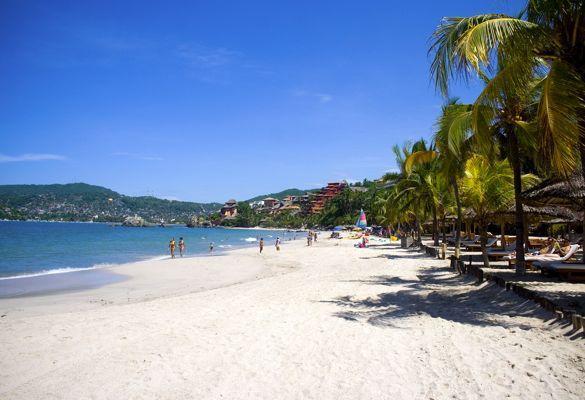
beach-at-zihuatanejo
The beautiful beach at Zihuatanejo


beach-in-tulum-mexico
The fantastic beaches of Tulum in Mexico’s Yucatan.


beach-at-zipolite
A quiet beach at Zipolite


beach-cabo-san-lucas-baja
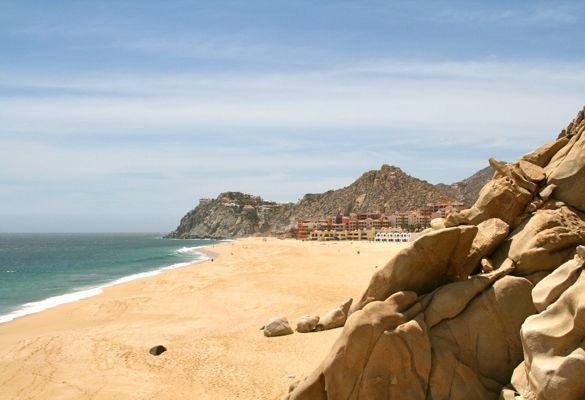
A beach in Baja California near Cabo San Lucas


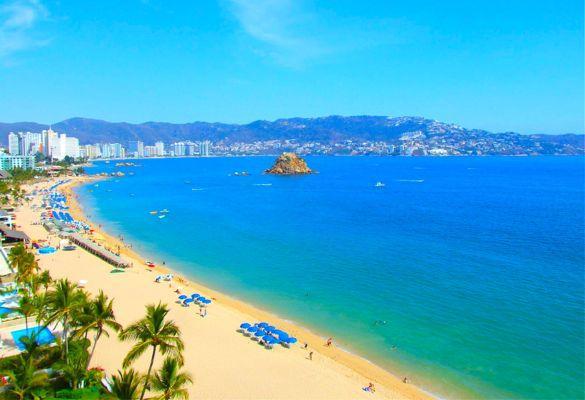
beach-in-acapulco
Acapulco on the Mexican Pacific coast


beach-in-cancun-mexico
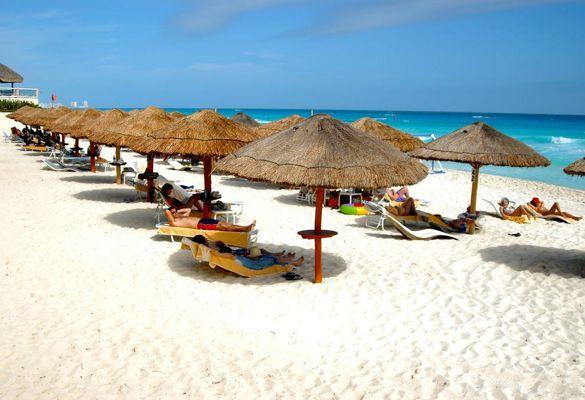
One of Cancun’s many beautiful beaches


beach-in-cozumel-mexico
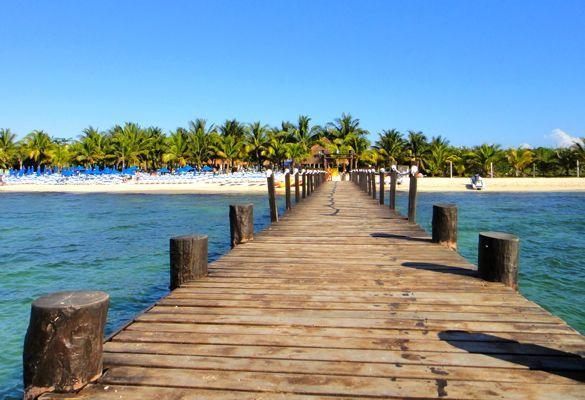
Cozumel in Mexico’s Yucatan region.


beach-in-isla-contoy
A short day trip from Isla Mujeres is Parque Nacional Isla Contoy


beach-in-la-paz-on-baja-california
La Paz on the Baja


beach-in-old-town-puerto-vallarta
The best swimming beach is south of here, but the Old Town beach is great for evening walks


beach-in-playa-del-carmen
Playa del Carmen on the shores of the Caribbean


beach-near-los-cabos-baja
Another great beach near Los Cabos


beach-on-isla-mujeres
Isla Mujeres might be the most family friendly beach in Mexico.


best-beach-in-mazatlan
The beach in Mazatlan with the Old Town in the background


puerto-escondido-surfing
Puerto Escondido is known for its great surfing


yelapa-beach-near-puerto-vallarta
Just a short boat ride from Puerto Vallarta is the fantastic Yelapa beach.

[readon1 url="http://mylittlenomads.com/the-best-beaches-in-mexico"]Source:mylittlenomads.com[/readon1]

 Book of Life AP

Mexican filmmaker Guillermo del Toro presented at Comic-Con "The Book of Life," the first work by compatriot Jorge Gutierrez, who explores the roots of that Latin American country's folklore to tell a story of love beyond death.

This is an animated movie arrayed in the traditional aesthetic of Mexico's Day of the Dead, which dates back to pre-Columbian days.

"We wanted to make a film that is modern but that delves deeply into our roots and celebrates what the Day of the Dead stands for, which is life," Del Toro told a forum of more than 150 journalists Friday at a hotel next to the San Diego Convention Center, epicenter of Comic-Con, a convention about comics and other art forms in the fantasy and science-fiction genres.

The director of Pan's Labyrinth acted as producer of "The Book of Life" and as a mentor for Gutierrez, who directed the film with which he aspired "to create something different and unique, a story never seen before," he said.

"We wanted to make some really authentic tacos that people would like not only in Mexico, but also in the rest of the world," the director said, an ambition shared by Del Toro, who confessed to seeing himself reflected in Gutierrez.

"The Book of Life" tells the story of Manolo, a young man facing the dilemma of following his heart or living up to his family's expectations - but before taking that decision, he finds himself whisked on a trip through strange fantastic worlds that force him to deal with his greatest fears.

The film is scheduled to premiere in the United States on Oct. 17, shortly before Halloween (Oct. 31) and the Day of the Dead (Nov. 2).

Channing Tatum, Ron Perlman and Christina Applegate dubbed the voices of some of the main characters for the English-language version and accompanied Del Toro and Gutierrez to Comic-Con on Friday.
[readon1 url="http://latino.foxnews.com/latino/entertainment/2014/07/27/comic-con-guillermo-del-toro-gives-sneak-preview-of-mexican-inspired-book-life/"]Source:latino.foxnews.com[/readon1]


 rayeiff1

Compilation of photographs showing the funny and is still unknown nature. Surprise us once again. Enjoy.

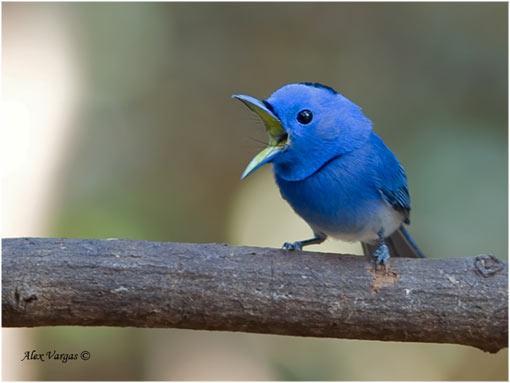
The bird twitter
If you've ever wondered how you would see the Twitter bird in real life, observes in detail these beautiful images of the Monarch Nuquinegro ( Hypothymis azurea ), and clears your doubts.

twi1

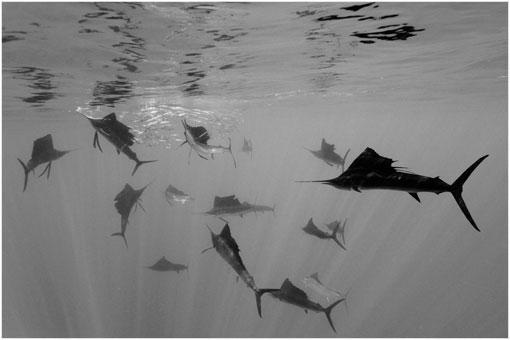
Hunting Group
Group sailfish corralling a school of sardines in Mexico. View image original size . Picture Reinhard Dirscherl, Germany.

vela1

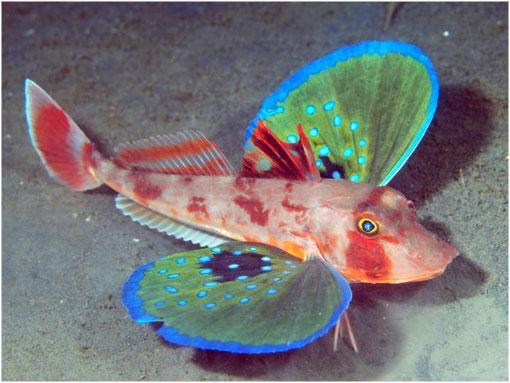
Sea Butterfly
We are talking about the Red Rubio ( Chelidonichthys spinosus ), one of the 100 different species of Triglidae. These fascinating fish normally found in the seabed at depths of about 200 meters. Its colorful pectoral fins are similar to the wings of a butterfly.

marma1

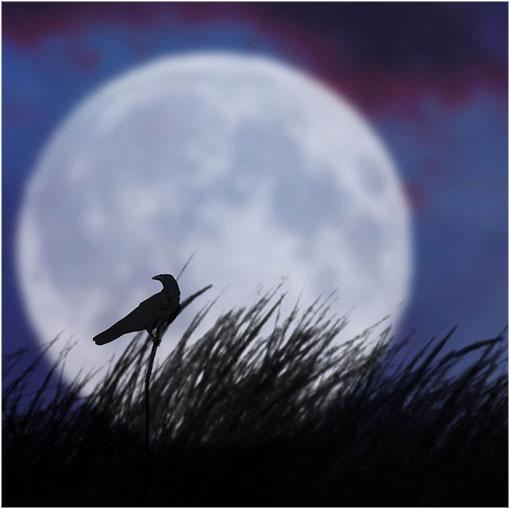
A crow and the moon at its perigee.

luni3

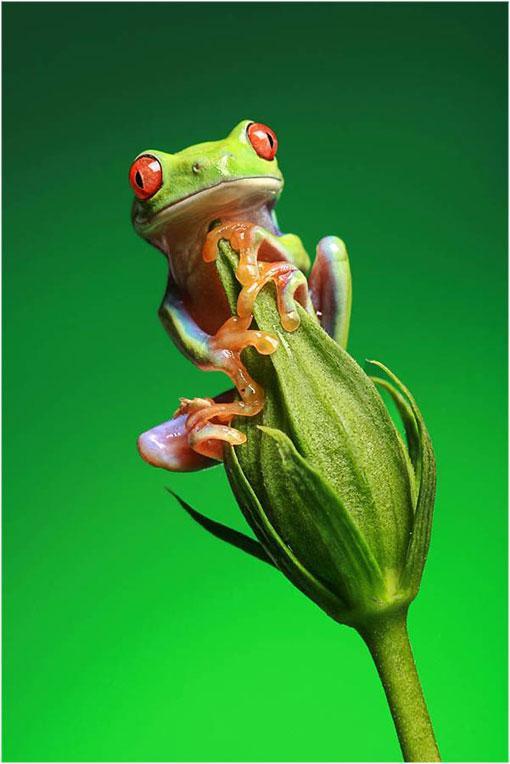
Rana balanced on the bud of a flower
The image was taken by photographer Bob Gerasim of Orlando, Florida, who is known for his photographs of wildlife macro.

ranae

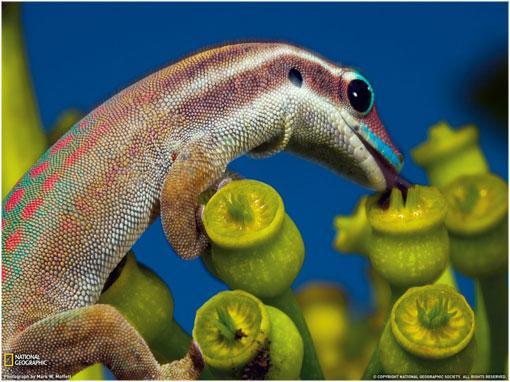
Gecko lizard feeding on nectar from a flower
The gecko are generally nocturnal and arboreal. Like most lizards eat insects but can also replace your conventional food for one more "vegetarian". (Photo by Mark W. Moffett)

geek1

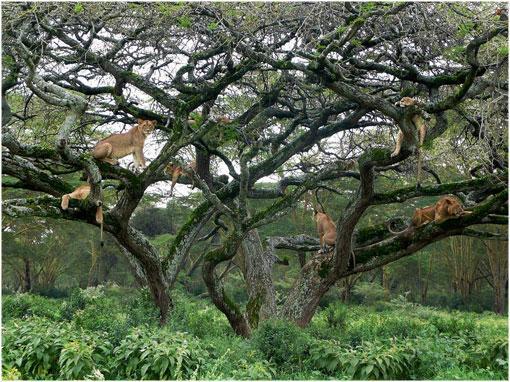
7 lions perched on an acacia tree in Kenya
Amazing picture taken in the National Park showing Naukuru 7 young lions in a magnificent century old acacia forest. See image size 950 x 712 px.

7leo

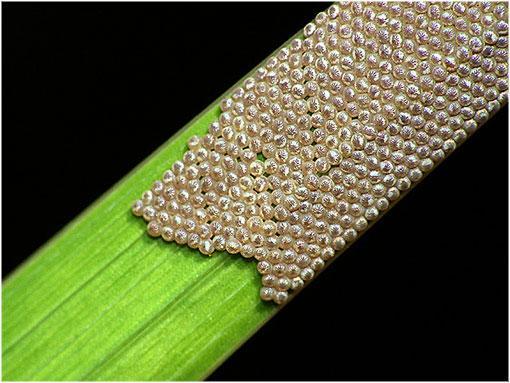
Unknown insect eggs gladiolus sheet, by Martin Barrett

huev6

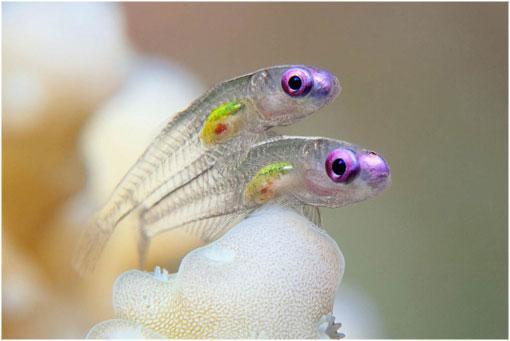
Unusual image of two transparent gobies View larger image (990 x 661 px)

ganado1

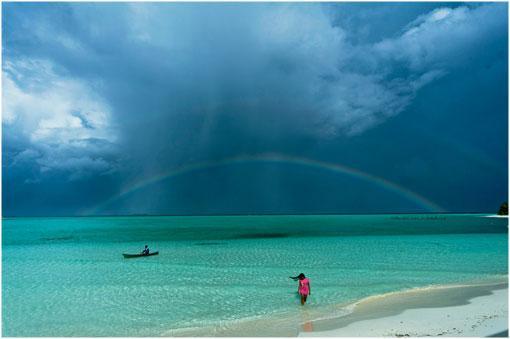
Rainbow over the island of Palawan in the Philippines:
Picture winner in the category "Places" photo contest organized by NationalGeographic in 2011. Conducted by George Tapan. See 990px ​​X 659px image size.

tapan

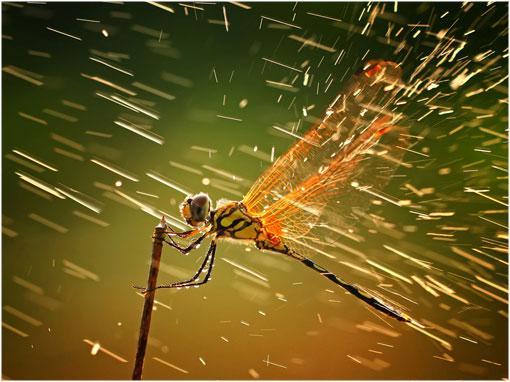
Bombarded by raindrops
Macro by Goh Shikhei showing a dragonfly in the rain. Laimagen showing the insect "fighting" against inclement deltiempo won numerous awards including a photography contest organizadopor National Geographic. See image size Wallpaper (1600 x 1200).

chapo1

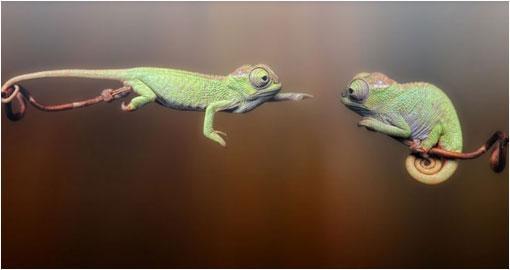
Can you help me cross?
Stock Sivanowicz great Polish photographer Igor showing two pups in their study camaleón.Realizada Wamena, Indonesia.

dosca

The power of nature

powe3

Baboons learning to drive
A group of baboons testing a Hyundai I30 in KnowsleySafari Park, north of England.

babui

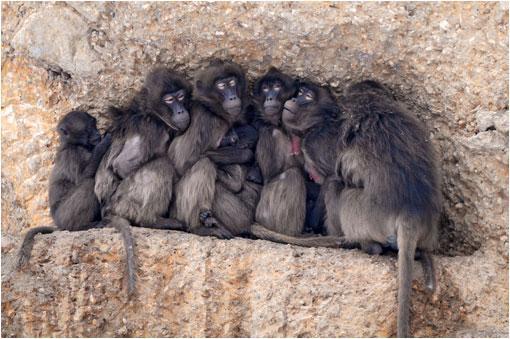
Huddled
The cold, fear or lack of space, make losanimales get together. This time we have selected a collection of photographs desingulares animals are extremely together, huddling for some reason that mentioned above, seem not necesitarde spaces.

acurru1

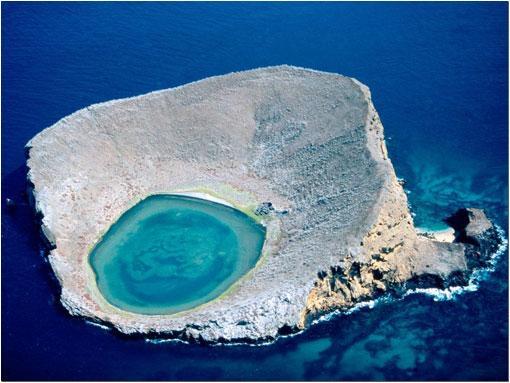
A pond in the middle of the ocean blue 
This amazing place on our planet would conocecomo Bainbridge Rocks and is located in the Galapagos Islands, Ecuador. The island, a lonely rock in mediodel ocean, has a saltwater lagoon inside. Sencillamentefascinante.

laguaz

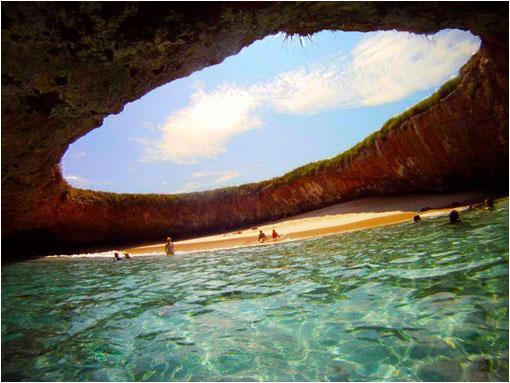
 A fascinating hidden beach
Located in the Marietas Islands, a group of small uninhabited islands ubicadaspocos kilometers west of Puerto Vallarta, in Jalisco, Mexico. View larger image.

playaescon

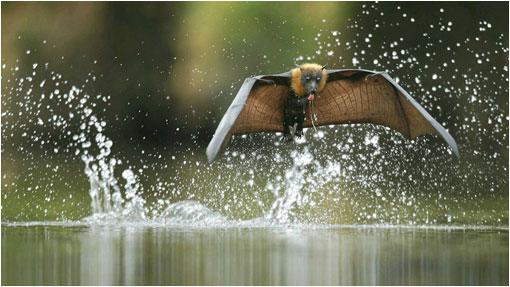
Bat taking a dip
Flying foxes (Pteropus vampyrus) sonuna bat species Pteropodidae family, found in Cambodia, Vietnam, Indonesia, Malaysia, Burma, Thailand, Philippines, Brunei, Tonga yVanuatu. They feed exclusively on fruits, flowers, pollen and nectar. In the picture you can see a copy I decided to take a dip otal time just is drinking water. The animal's face, wings and ojosson amazing, in short, a surprising picture

murcha

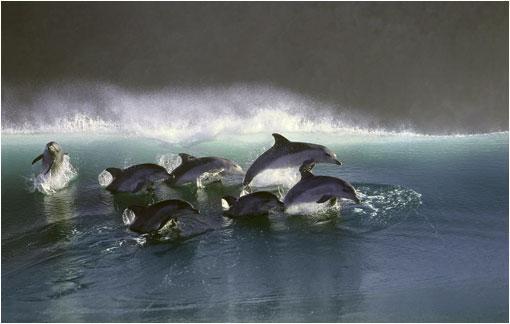
Surfing Dolphins
The photograph shows a group of dolphins on a wave crestade, done by photographer and filmmaker Greg Huglin obtained in Durban, South Africa. Greg is a specialist endelfines, spent much of his life photographing and filming them all elmundo. In 2010 conducted a fascinating 20-minute short called "Surfing Dolphins".

doldub01

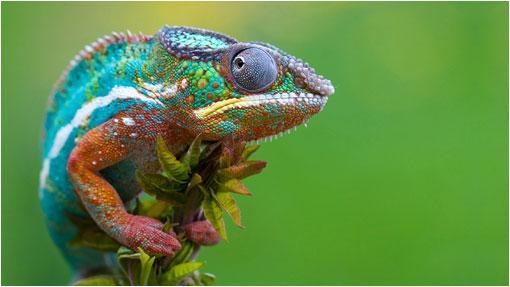
Why say that chameleons are colorful?

camacol

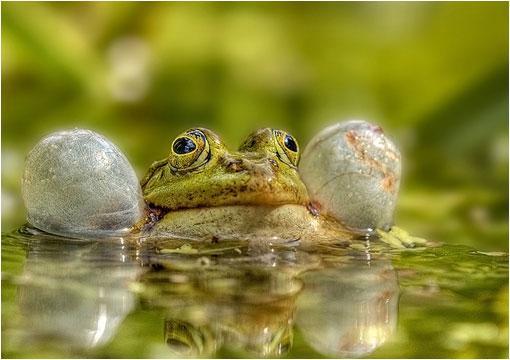
Airbags
Photo by Markus Blome showing a tree frog with mouth susbolsas inflated. These organs have different functions such as: provide buoyancy, amplify their vocal potential and carry their young.

ranaar1

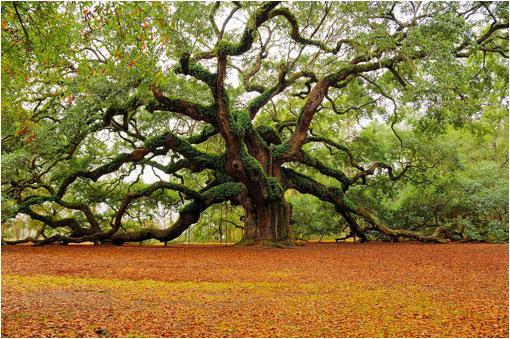
An oak called "Angel"
This fascinating about 400años oak old has a surprising aspect: its main trunk has unacircunferencia 9 meters and its height is 20 meters, however algunasramas his glass forming over 30 meters. The so-called "Angel Oaktree" is in the city of Charleston, South Carolina, UnitedStates. View wallpaper size image.

angelr

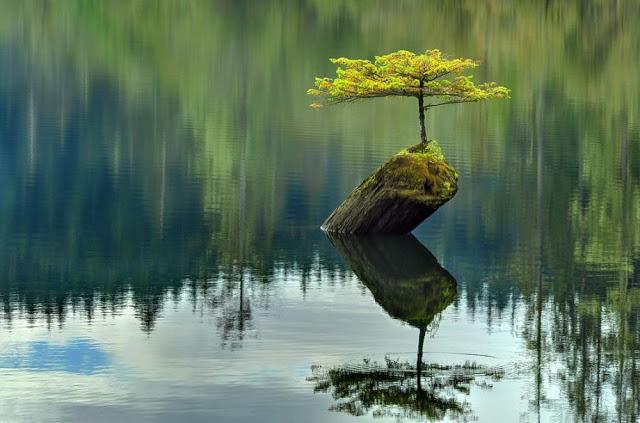
A tree adrift in the mirror of a lake
This photograph reminds us, by the precarious balance, which we published in born in the wrong place. In this case the tree has sprouted in a wooden stump in the middle of a lake somewhere in British Columbia (Canada)

.arbol sobre un tronco a la deriva

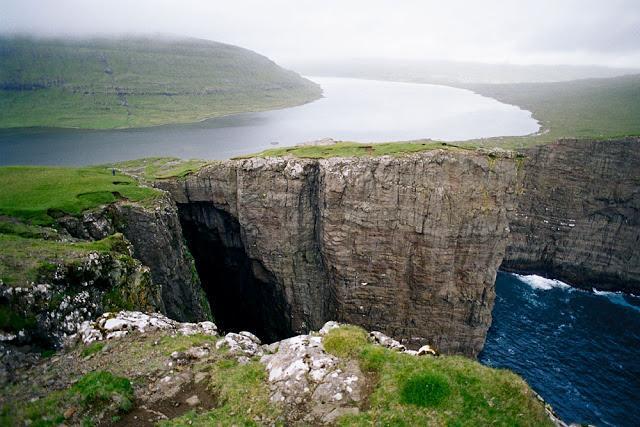
A lake sea fleeing, Sørvágsvatn
In this photograph, taken on the island of wandering in the Faroe Islands (Denmark), you can see an amazing natural lake Sørvágsvatn perspective, that seems about to rush into the sea from a cliff 100 meters high. The lake eventually drains into the sea through a tiny waterfall that you can see in this picture.

un lago al borde del mar

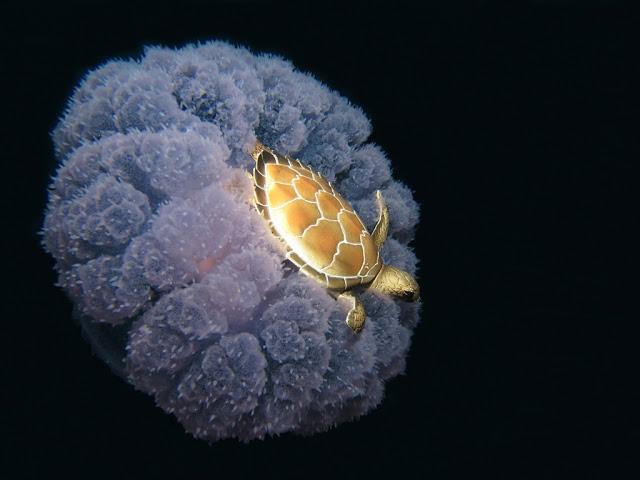
A sea turtle riding on a jellyfish
This remarkable image was taken by an amateur photographer in the waters of Superjolly lagunaChuuk (Micronesia). The photographer was swimming among jellyfish, which had proliferated by high water temperatures, when this fabulous picture of a turtle comfortable moving on a jellyfish, passed by his chamber.

una tortuga cabalgando sobre una medusa

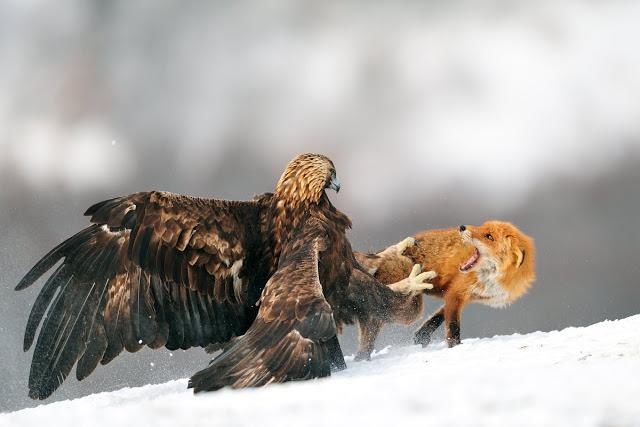
Only a discussion between a golden eagle and a red fox (in the snow)
This photograph was taken by Belgian Yves Adams during a recent trip to Bulgaria. Here you can see an unusual encounter in the snow between a golden eagle (Aquila chrysaetos) and a red fox (Vulpes vulpes).

encuentro entre un aguila real y un zorro rojo en la nieve

A quiet nap in the snow you see the baby bear?
In this lovely photograph can be seen a polar bear (Ursus maritimus) and her cub resting peacefully in the snow. Polar bears endure low temperatures by the thick layer of fat beneath the skin (always black) and a dense coat (not white but translucent) composite hollow hairs and filled with air, which act as a excellent thermal insulator.

un oso polar madre y osezno durmiendo en la nieve

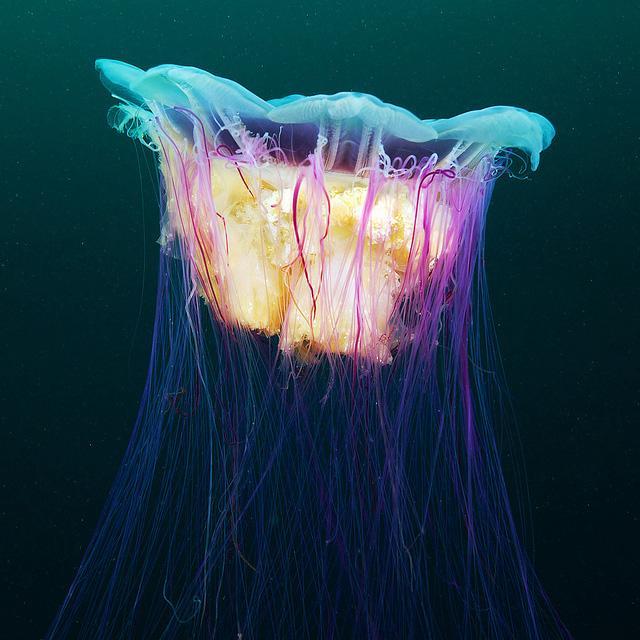
Lion's Mane Jellyfish by Alexander Semenov
These jellyfish (Cyanea capillata) are among the largest animals in the world with estimated tentacles (hard to see the larger specimens in their natural habitat) can reach 60 or 70 feet long. The largest specimen, captured in 1870, was about 36.5 meters. They live in the abyssal zone of Arctic waters.

medusa 8

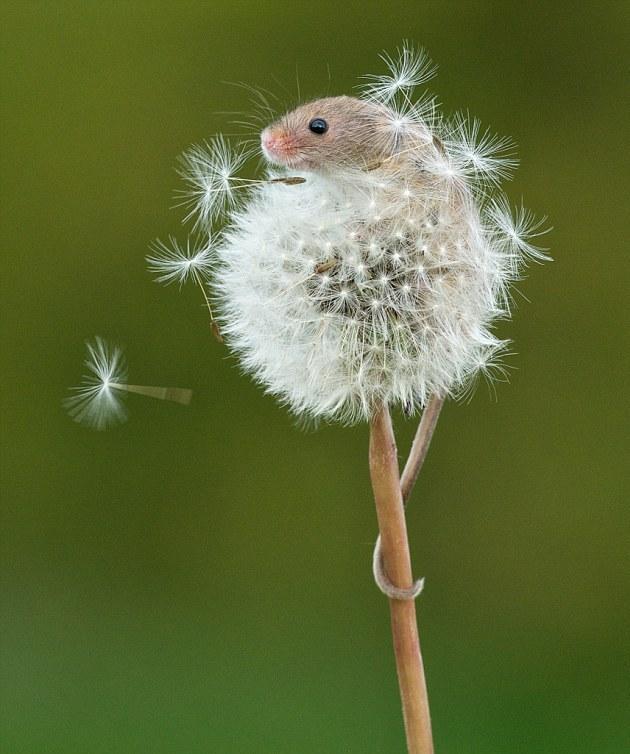
A mouse blowing a dandelion
In this curious photo you can see a mouse espiguero (Micromys minutus) in a nearly impossible balance on a dandelion (Taraxacum officinale). To stay in that difficult position uses its prehensile tail to grip the stem.

Un raton en un diente de leon

Yakini, a baby gorilla
These images of a newborn gorilla is circulating in social networking as a novelty. The photographs are taken during a reconnaissance 1999.Fueron he conducted the specialist in neonates Neil Campbell, Royal Children's Hospital Children of Melbourne (Australia), Zoo premises that ciudad.La reaction to the cold stethoscope is identical to any child and this caused to be made ​​very popular in that year.

yakini bebe de gorila examinado con un estetoscopio

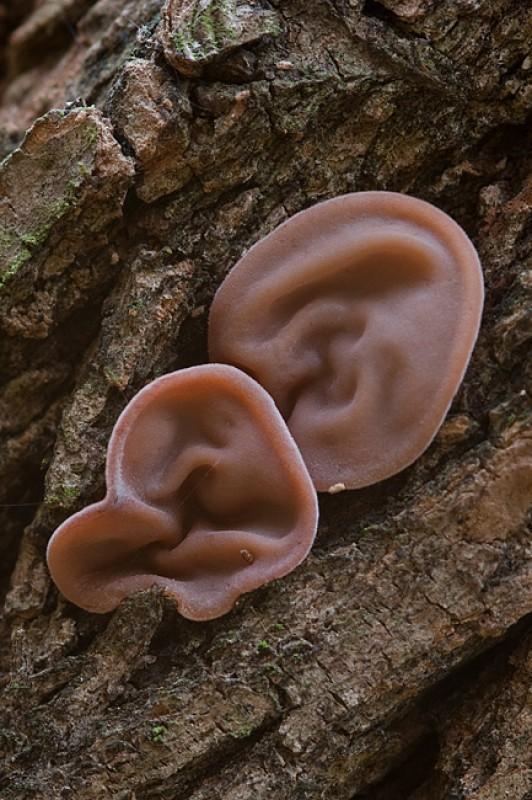
A mushroom listening, Judas's ear
Auricularia auricula-judae, known as Judas's ear, is a hongobasomiceto perteniciente to ordenAuriculariales. It owes its name to the ear as he adopts when to grow wrinkled leaves. It is edible and gelatinous texture. It also has medicinal antibiotic yantiinflamatorio character.

Auricularia auricula-judae oreja de judas3

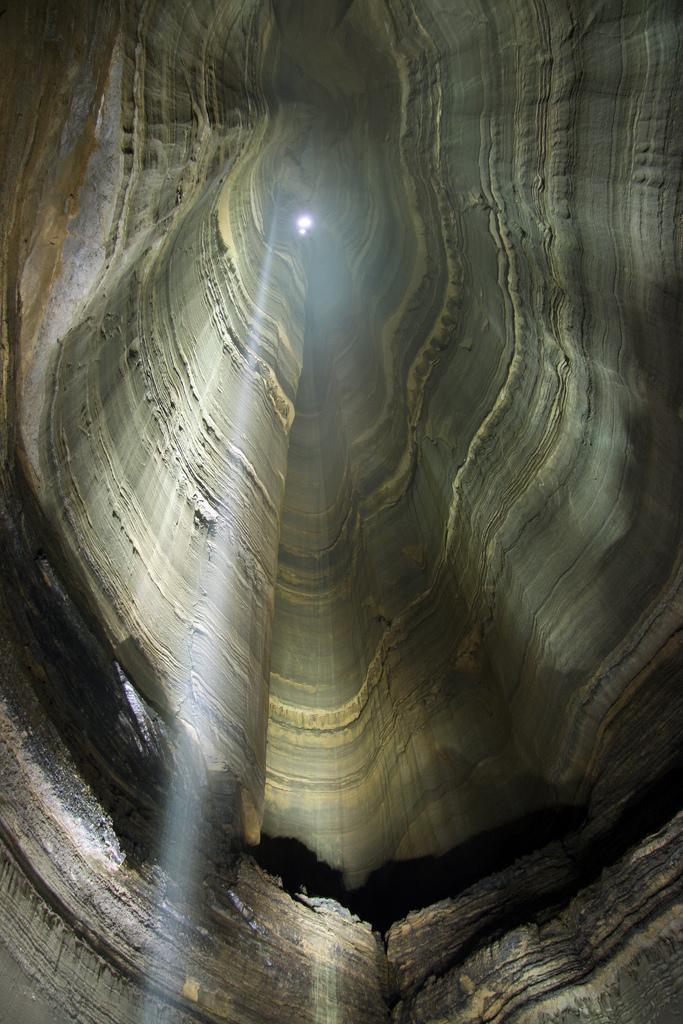
A great pit in Ellison's Cave
In this photograph taken by Manuel Beers can appreciate the size of the vertical shaft deeper existing Ellison's Cave, located in Georgia (U.S.). This cave has several of these huge holes but the image, which is called Pozo Fantastic (Fantastic Pit), is the greater depth of 179 meters.

La Cueva de Ellison Estados Unidos

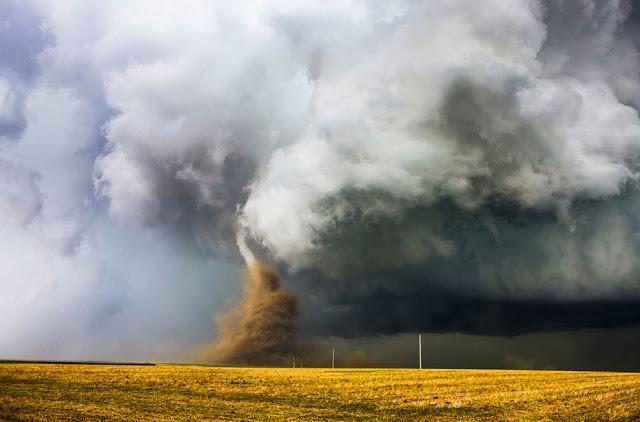
Tornado in Norton (USA) David Mayhew.

Tornado

An elephant ensuring even dead comrade John Chaney.

Un elefante velando a un companero muerto


[readon1 url="http://www.socialphy.com/posts/images-pics/16143/Oddities-and-curiosities-of-nature.htmly"]Source:www.socialphy.com[/readon1]


2014-07-20-MSissons Cuixmala2-thumb

Fancy your own patch of paradise? So did a very wealthy man called Sir Jimmy, who once acquired a huge tract of virgin jungle on Mexico's untamed Costalegre, which stretches along the Pacific coast from Manzanillo to Puerto Vallarta. He then transformed part of it into a lush private playground for him and his jet-setting pals.

It took Sir Jimmy two years and two thousand workers to build a magnificent domed Moorish beachfront castle, followed by three posh guest villas. Then he stocked his Garden of Eden with herds of zebra, gazelle and eland, wild boar, ring-tailed coati and other exotic creatures, along with horses to ride. Finally, this one-time corporate raider had his new realm declared an ecological reserve, thereby protecting a vast array of flora and fauna - from sea turtles and crocodiles to jaguars, pumas and parrots - for generations to come.

Today, three decades after controversial Franco-British billionaire tycoon turned politician and environmental activist Sir James Goldsmith created his own private jungle estate called Cuixmala (which means 'the soul's resting place'), one of the world's most alluring tropical getaways remains a well-kept secret.

"Cuixmala is the essential 'non' resort and we are really trying to maintain that feeling of a family property," explains Goldsmith's daughter, Alix Marcaccini, who, along with her husband, Goffredo, is custodian of her late father's magnificent obsession.
2014-07-20-MSissons Cuixmala14-thumb

The Goldsmith family's holdings here also include a sister property, Hacienda de San Antonio, a meticulously restored coffee plantation near an active volcano about three hours' drive inland, near Colima. And whereas once only friends of Sir Jimmy - from Mick Jagger and Madonna to Ronald Reagan and Richard Nixon - had exclusive access to his Mexican masterpieces, mere mortals can today also savour them - if you can afford it.

Castles in the sand
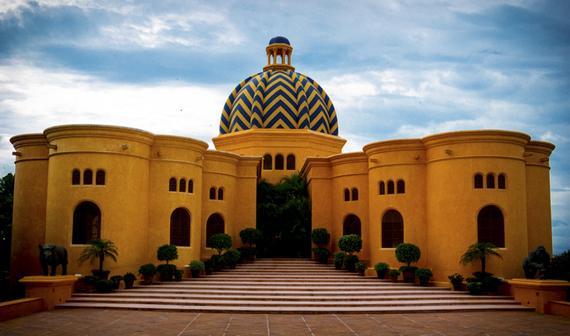
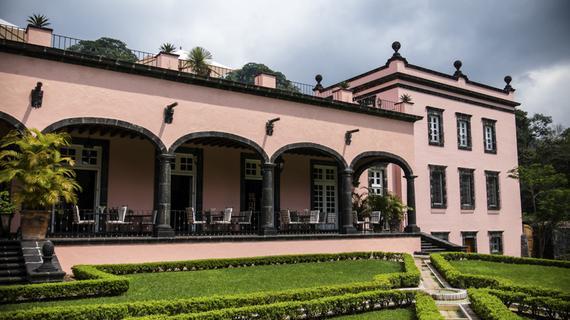
Nothing reflects Goldsmith's grandiose vision more than La Loma, Cuixmala's palatial, pink and white Moorish inspired main villa designed by French architect Robert Couturier. Once Sir Jimmy's private abode, this 37,000-square-foot, four bedroom architectural fairytale is guarded by life-size bronze statues of a rhino, a gorilla and an elephant, and topped by a blue-and-yellow dome.

Moroccan, Mexican and Mediterranean styles merge seamlessly in La Loma's gigantic cool-white, art-strewn, rooms with arched ceilings so high as to be an agoraphobiac's nightmare. The master bedroom even has its own terrace with Jacuzzi that offers panoramic sunset ocean views, while the library, two-tiered media room, vast living and dining rooms, saltwater pool and numerous outdoor salons are all lavishly decorated, fit for an eco-emperor.
2014-07-20-MSissons Cuixmala4-thumb

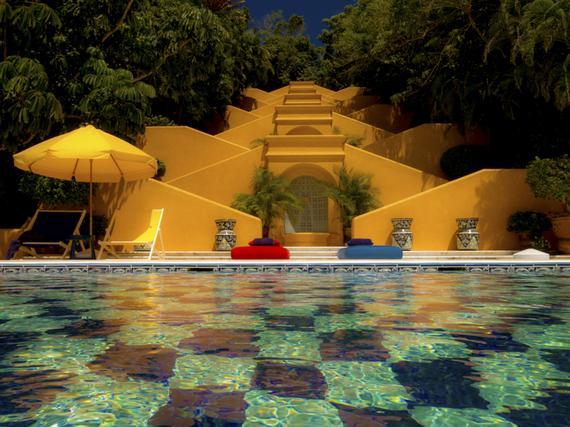
Surrounding La Loma are six equally luxurious satellite bungalows which, booked together with La Loma, will set you back, depending on the season, a mere ten to sixteen grand U.S. a night, not including meals. Stretching beneath them are kilometers of some of Mexico's most unspoilt beaches, great swathes of jungle wilderness, crocodile friendly lagoons, a coconut plantation, and an organic farm. On my first evening dining on the terrace of my exquisitely decorated three bedroom villa called Alborada, I can see distant La Loma on its seaside bluff across the reserve, its signature dome illuminated at night like a fantastical interplanetary communications orb.

Along with La Loma and Cuixmala's two other villas, Alborada is staffed with butlers, chefs, maids, waiters and gardeners. All are distinct in design, but share a common trait - absolute privacy. You could happily spend an entire vacation in one of them, soaking up the sumptuous decor, indulging in poolside massages, and dining on gourmet meals prepared using organic produce from Cuixmala and the ranch at Hacienda de San Antonio in the Mexican
highlands.

But why just linger round your villa's infinity pool when Cuixmala's self-contained bioverse has so much to explore? The estate is so vast that guests are advised to bring a rental car to navigate the network of dirt roads that intersect it. And this exclusive tropical playground is just a small part of Sir Jimmy's greatest gift to the world - the 10,000 hectare Chamela-Cuixmala Biosphere Reserve that he established in 1993 to protect the habitat for over 1,200 species of plants, 72 species of mammals, 270 species of birds and innumerable species of reptiles and
amphibians, including the rare and venomous Mexican bearded lizard.

I opt to explore Cuixmala's jungles on a mountain bike, wander its unspoilt beaches, watch snowy egrets, great blue herons, and yellow-footed boobies soar overhead from a boat on its tranquil lagoon, and admire herds of skittish zebra and the elegant white tailed deer. One afternoon I even take a hike, careful to keep an eye out for giant crocs dozing by the side of the trail.
2014-07-20-MSissons Cuixmala10-thumb

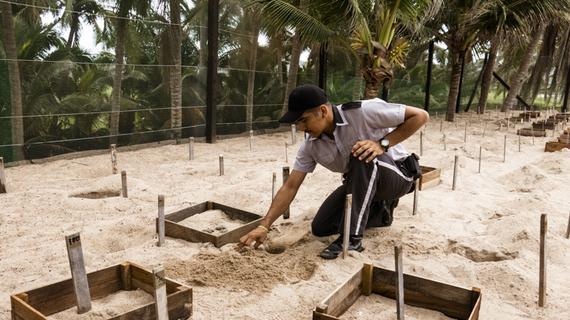
But what most impresses me is Cuixmala's beachfront sea turtle sanctuary, where eggs from over a hundred nest are collected by resident biologists and protected from predators until they hatch. In the evenings, guests are invited to help launch hours-old baby turtles into the sea, helping to give them a fighting chance to survive and return here one day and lay their own eggs.
2014-07-20-MSissons Cuixmala20-thumb

High-end hacienda

A fighting chance is also what Sir Jimmy gave to his other pet project, Hacienda de San Antonio. This coffee plantation dating from the late 19th century had seen better times when he purchased it, along with 200 hectares of prime agricultural lands. A macho yang to Cuixmala's pastel yin, the Ranch, as Alix Marcaccini affectionately calls her family's other Mexican country house, is now an exclusive boutique hotel surrounded by rich organic farmland and framed by the majestic smoking cone of the Colima volcano.

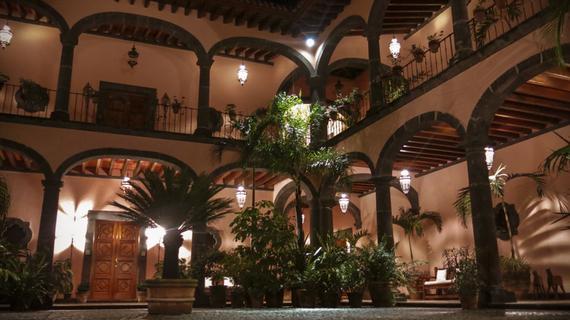
Meticulously restored by the Goldsmith family, San Antonio's cluster of coral pink arched buildings enclose a verdant courtyard containing 26 lavishly decorated guest suites, several salons, a spa, and even a private chapel.
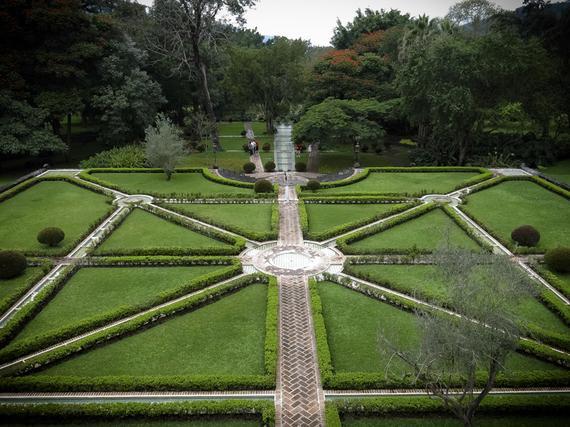
2014-07-20-MSissons Cuixmala17-thumb

The stream flowing through the property's immaculately manicured lawn and gorgeous gardens leads to a huge swimming pool where I spend an afternoon contemplating the smoking volcano looming nearby.

The next morning I set out on horseback along the ranch's winding mountainous trails through woodlands and grassy meadows to a pre-arranged picnic spot beside a tranquil lake. Here, my guide departs with our horses, leaving me with a basket of delicious fresh organic salads, cheeses, meats, fruit - and the promise of a blissful siesta beneath an enormous oak tree.

Besides equestrian outings, Hacienda de San Antonio also offers myriad other activities - from hiking and mountain biking to bird watching and touring its working farm, ranch and coffee plantation. Employing nearly seventy workers year-round (to Cuixmala's nearly 300), this resurrected ranch is clearly thriving year-round.

"Because they are both fully functioning, sustainable agricultural enterprises, both Cuixmala and the Hacienda have a life, regardless of whether there happen to be guests or not," Alix Marcaccini explains the next day as we tour Cuixmala's school, recently built to educate her own and the staff's children, along with kids from a nearby village.
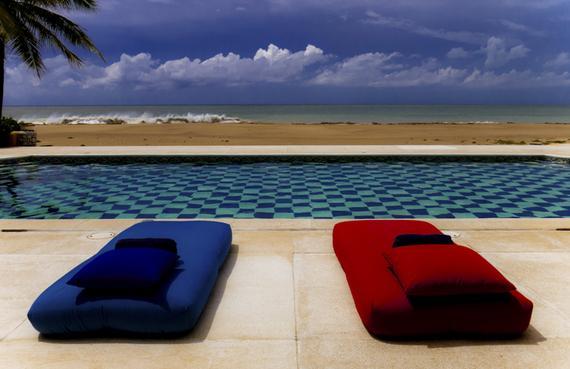
2014-07-20-MSissons Cuixmala6-thumb

Therein lies a key to Sir Jimmy's country houses' unique appeal - beyond their opulence, stupendous scale and natural allure. Over lunch at the restaurant catering to Cuixmala's cluster of 'casitas' - former staff quarters transformed into affordable yet still luxurious accommodations - Ali Miller, an LA based fashion buyer celebrating her first anniversary here with her husband Trevor, sums up what I've been sensing since I arrived: "Cuixmala is very unique, like you're in a private vacation home," she says. "It feels very luxurious and organic and gracious without feeling manufactured. You get to discover its beauty in your own way."

Sir Jimmy would have been pleased to know that visitors to his grand experiment in holistically sustainable living in the Mexican jungle are still able to appreciate the original method to Cuixmala's magic.

"I think my father would be very happy to see that we have kept Cuixmala the way he left it, says daughter Alix, who has devoted her life to nurturing and extending her father's dream. "My hope for the future," she adds, "is to expand and acquire more land for the Cuixmala Ecological Foundation. And to one day create a community here of people who feel the same way we do about nature and the world".

Hitching a ride back to Puerto Vallarta airport aboard Cuixmala's tiny four passenger, single engine plane, which shuttles guests between the properties and nearby airports, I ask the pilot if we can fly past La Loma. He complies, and as we buzz at coconut treetop level past the late billionaire's eco-Shangri la on Mexico's Virgin Coast, I can imagine Sir Jimmy out on the terrace, chomping a cigar, cheering us on.

Getting there
Cuixmala is located on Mexico's Pacific coast about 100 miles south of Puerto Vallarta. Hacienda de San Antonio is three hours' drive inland from Cuixmala, near Manzanillo. Private car transfers can be arranged. Crew Air Charter also offers flights from Puerto Vallarta or between properties. From $2,000 round-trip. (52-333/ 813-1073)

Cuixmala
Guests can book either La Loma (the main house), one of four private villas, or any of nine casitas. Revenue helps underwrite the work of the Cuixmala Ecological Foundation. From $400 for a one-bedroom casita; $2200 for a four-bedroom villa, and $10,000 for La Loma. Casita rates include breakfast; additional meals are $95 a person a day. In villas, meals are $140 each a day. Each villa comes with a full complement of staff. (866-516-2611 or 52-312/314-3143)

Hacienda de San Antonio
Jimmy Goldsmith's other Mexican mansion, set in the shadow of an active volcano, has 26 lavish guest rooms. From $700. (866-516-2611 or 52-312/314-3143)

Chamela-Cuixmala Biosphere Reserve
The first in Mexico to conserve tropical dry forest, this 13,142 hectare reserve was created in December 1993. It hosts a wide variety of ecosystems and one of the highest concentrations of endemic species in the country, including endangered marine turtles.

notia 
Mark Sissons 
Canadian travel journalist

[readon1 url="http://www.huffingtonpost.com/mark-sissons/mexicos-eco-shangri-la_b_5604047.html?utm_hp_ref=travel&ir=Travel"]Source:www.huffingtonpost.com[/readon1]


5c3d73f0-3c35-4d04-8595-2e354053720f

This certification will reposition the Riviera Nayarit within the important ecotourism segment. Huatulco is the only community on the entire American continent with this certification; now Nuevo Vallarta, Ixtapa Zihuatanejo and Loreto are seeking it as well.

The Riviera Nayarit Convention and Visitors Bureau (CVB) registered the Fraccionamiento Náutico Turístico Residencial Nuevo Vallarta into the EarthCheck international environmental certification.

Measuring sustainability in this touristic zone is important because of the density of hotel rooms, which makes it one of the communities with the largest number of tourists in the Riviera Nayarit.

The registration implies the implementation of an environmental management program, continual improvement and good environmental habits in order to obtain this certification. In order to achieve this they need to form a committee with representation from four sectors: the three levels of government, private initiatives, a charitable organization and academia.

The coordinator of the Huatulco, Ixtapa Zihuatanejo and Loreto EarthCheck programs, Lorenzo Alfaro, offered a presentation in Nuevo Vallarta on the Bays of Huatulco, the only community with this certificate on the entire American continent for the past ten years, in order to talk about the significance and importance of EarthCheck.

The event was attended by the hotels in Nuevo Vallarta that already have their EarthCheck certification, the Vallarta Yacht Club, the Nuevo Vallarta Homeowners Association, FIBBA and Nayarit’s Secretariat of Environment (Semanay, by its acronym in Spanish), among other authorities.

The central concepts of their policies include the efficient use of water, energy-efficient programs, recycling of solid waste products, noise control, biodiversity control, air quality control, protection of green areas and hazardous waste management.

“From what I’ve seen, Nuevo Vallarta definitely has enough potential to be certified,” said Alfaro. “The challenge is to find a starting point, make measurements, generate indicators and implement specific actions to improve them.”

This EarthCheck certification is independent of and a complement to the announcement by FIBBA in April to obtain the “Clean Tourism Destination” certification offered by the Federal Environmental Protection Agency (PROFEPA, by its acronym in Spanish). One program allows for measurements, the other sets standards according to domestic regulations. Together they will achieve a well-rounded sustainability that follows the laws of the land.

Nowadays the Nature and Ecotourism sector is one of the fastest growing tourism segments. Obtaining this certificate increases the destination’s positioning within it. In Mexico, the areas of Ixtapa Zihuatanejo, Loreto and Nuevo Vallarta seek to join Huatulco.

Puerto-Vallarta-Mexico

When you think of Mexico you instantly dream of white sandy shores and clear blue waters. Two stunningly, diverse regions Puerto Vallarta and Riviera Nayarit are nestled along the Pacific Coast and offer the opportunity to explore the finest beaches you could ever envision as well as wildlife, gastronomy and culture. The best of Mexico, all in one place!

You can guarantee picture-perfect shorelines in both areas thanks to the recent accolade handed out by the Instituto Mexicano de Normalizacion y Certificacion. This Pacific region has recently taken the lead in pristine coastline destinations in Mexico with 13 (3 in Puerto Vallarta & 10 in Riviera Nayarit) out of a total 31 certifications. And if that isn’t enough to persuade you that the coastline is getting attention for all the right reasons, Playa Palmares in Puerto Vallarta and Nuevo Vallarta North in Riviera Nayarit have both been awarded Blue Flag status.

Alongside the epic beaches including Banderas Bay -the seventh largest bay in the world, where the two regions meet- the destination revels in natural wonders and is known for the teaming wildlife. From turtle hatching to learning about the 22 species of Mexican birds and whale watching, there’s plenty to discover.

Ready to visit? Check out the top beach destinations on the Pacific Coast, which are jam-packed full of activities, as well as offering breathtaking views across to the ocean.

Top 3 Preferred Beaches In Puerto Vallarta

 playa-palmares-puerto-vallarta
Playa Palmares

Wander along the breathtaking stretch of sand at this Blue Flag-certified beach of Playa Palmares and bask under the palm tree-lined shade, all whilst gazing out to the vast ocean. It’s quite the view!

 Playas-Puerto-Vallarta-Jalisco-Mexico-008
Los Camarones

Named after the abundance of crustaceans that inhabit the beach, certified Los Camarones beach stretches from the Rio Cuale north along the Malecon and boasts stunning views. The clean stretch of sandy beach is home to a sea turtle protective reservoir.

garza 
 Garza Blanca

The pristine white sand is framed with palms and crystal clear water that lap the shoreline. With spectacular views out to Sierra Madre, the certified Garza Blanca beach offers spectacular natural landscape and a variety of water activities for those seeking to release their inner adrenaline junkie.

Top 3 Clean Beaches In Riviera Nayarit

Playa-del-centro-Puerto-vallarta 
 Nuevo Vallarta North

The Blue Flag beach destination in Riviera Nayarit, Nuevo Vallarta North is a three mile stretch of pure white sand and clear waters. Lining the shore is luxurious 5* resorts and if you venture a little further afield, you’ll find world class golf courses and a beautiful marina.

playas los muertos for fb 
 Sayulita (Los Muertos)

Stay in one of the charming nearby boutique hotels for full-on pampering and spa treatments, before you enjoy a spot of surfing at this gorgeous beach of Riviera Nayarit´s hippie chic town.

g chacala large 
 Chacala

Get your binoculars out and prepare to indulge in a spot of bird-watching at Chacala beach thanks to the large variety of birds such as pelicans and herons. In 2002, Chacala was named a Gallery Town and photographs of the 22 species of Mexican birds can be found here.

For more information, see visitpuertovallarta.com.

[readon1 url=">http://www.easier.com/124213-the-best-beaches-in-puerto-vallarta-riviera-nayarit-mexico.html"]Source:www.easier.com[/readon1]


222222

Wine is a gift of indescribable value because who gives a wine not only offers a concoction that was born as the pleasure of the gods, but also provides a time of unparalleled joy, a palate awash with amazing pleasure and the original, but sophisticated way, to invite the sharing and the permanent reunion.

So many qualities that converge in this product should be kept in a wooden box on the quality, design and distinction that only Maderpak SA can provide.

What treasure found at the bottom of the sea, a wooden box can hide inside the best bulwark which can mean a wine whose components are as glittering as gold coins for his courage and integrity by generating feelings.

Assembly and perfect adaptation to the varieties
Each variety of wine has a way of defining and peculiarities that make it unique. Dry, astringent, sweet, captivating; by notes that compose it, for mixtures containing and the feelings they generate in their consumption, each wine has its own identity.

All this makes each wine in your cellar a particular form of expression can be found in containers SA Maderpak the perfect ally to make it even more distinctive and to complement precisely that quality that promotes from its composition.

Wooden boxes of Maderpak SA have features and high quality finishes and fittings as well as combinations of delicate conformation that can greatly exalt those who want to express with your wines.

You can add value to your cellar packaging quality, distinction and prestige. Projects the way your wines will be refined with the contribution Maderpak SA can give.

[readon1 url="http://www.maderpak.com/noticia-armonia-y-distincion-entre-tus-vinos-y-maderpak-sa-15.html"]Source:www.maderpak.com[/readon1]


Vallarta-Botanical-Gardens-27

Vallarta Botanical Gardens is not, at least in my experience, your average Botanical Garden. Having been born and raised in England where visiting formal gardens (both private and public) is simply a way of life and also having lived near to the famous Butchart Gardens in Victoria, Canada I thought I knew what to expect. I was wrong.

A visit to Vallarta Botanical Gardens was on our list of things we wanted to do before leaving Puerto Vallarta so on a lovely sunny day in January we packed up our cameras and jumped on a bus heading south. Luckily when we boarded the bus we had mentioned we were going to the gardens because there is really very little signage on the main road and we would have easily missed our stop.

Heading down a small hill from the road we found the entrance where we were greeted by very friendly and professional garden staff. They presented us with a map and placed a bright yellow sticker on our shirts in exchange for the $60 pesos entrance fee and also highly recommended we use bug repellent (which they also sell if you forget to bring your own).

Vallarta-Botanical-Gardens-Map-1

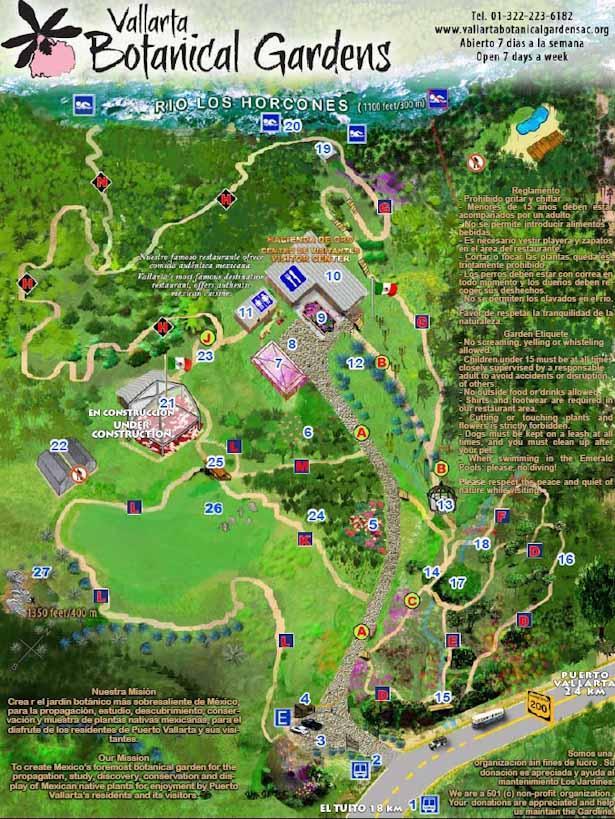
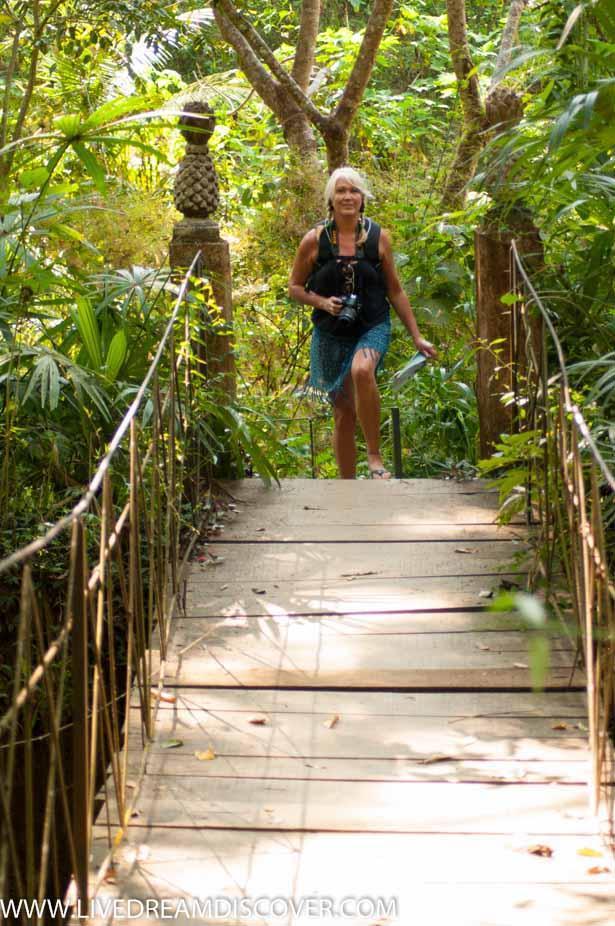
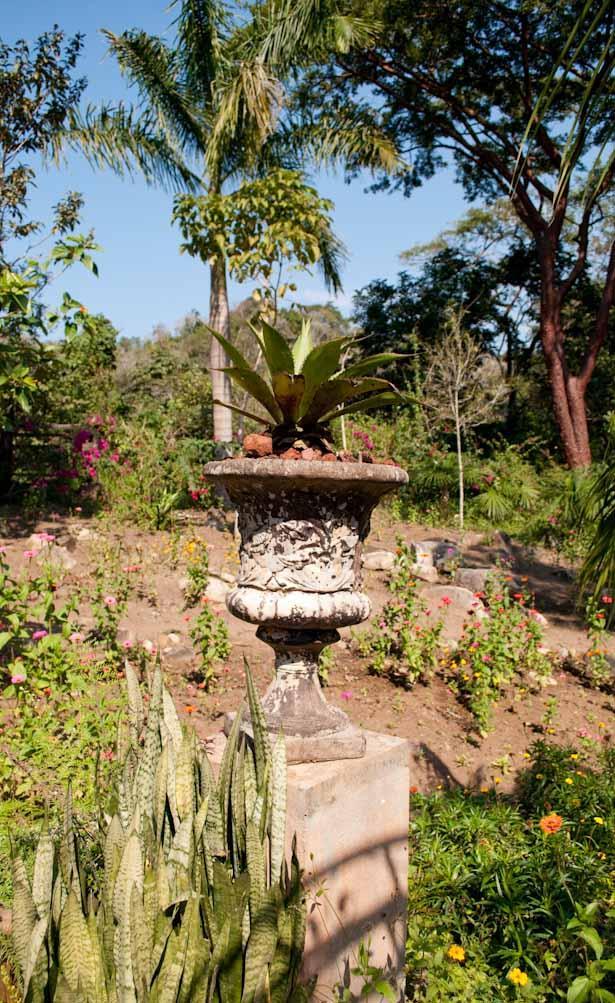
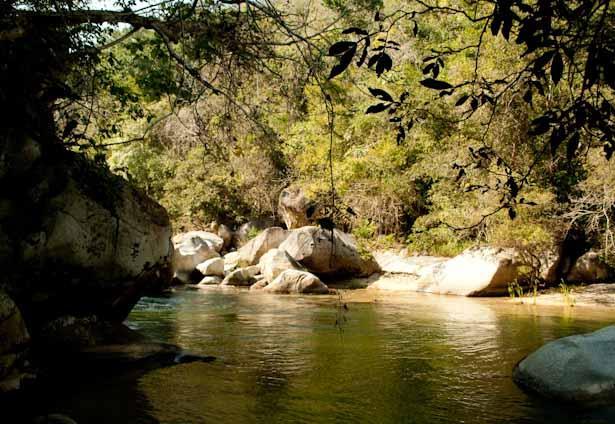
The map shows all of the trails which are listed as Easy, Medium and Difficult and they are also very well sign posted. Btw if you plan to hike the Medium and Difficult trails I would suggest decent shoes rather than the flip flops I was wearing. As we entered the Vanilla trail it became clear that this was not going to be an easy stroll along neatly paved pathways lined with perfectly pruned brightly flowering plants, well-manicured lawns and shrubs sheared into the shapes of animals. Rather it was to be a trek along hiking trails which weaved through enchanting jungle and native forests, up rugged hills and down rough stone steps leading to clear, cool Emerald Pools calling for a refreshing dip.

Vallarta-Botanical-Gardens-1

Vallarta-Botanical-Gardens-8

Vallarta-Botanical-Gardens-2

Vallarta-Botanical-Gardens-3

Vallarta-Botanical-Gardens-11

Vallarta-Botanical-Gardens-7

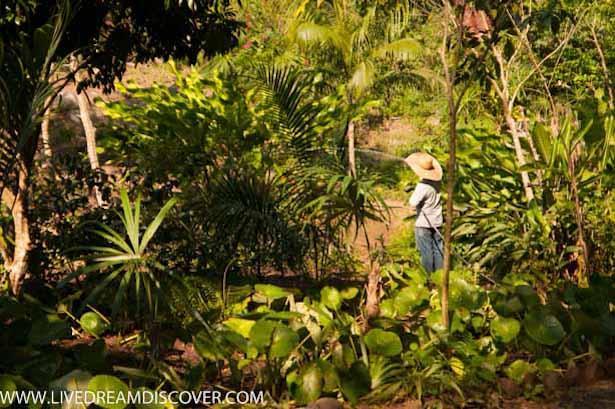
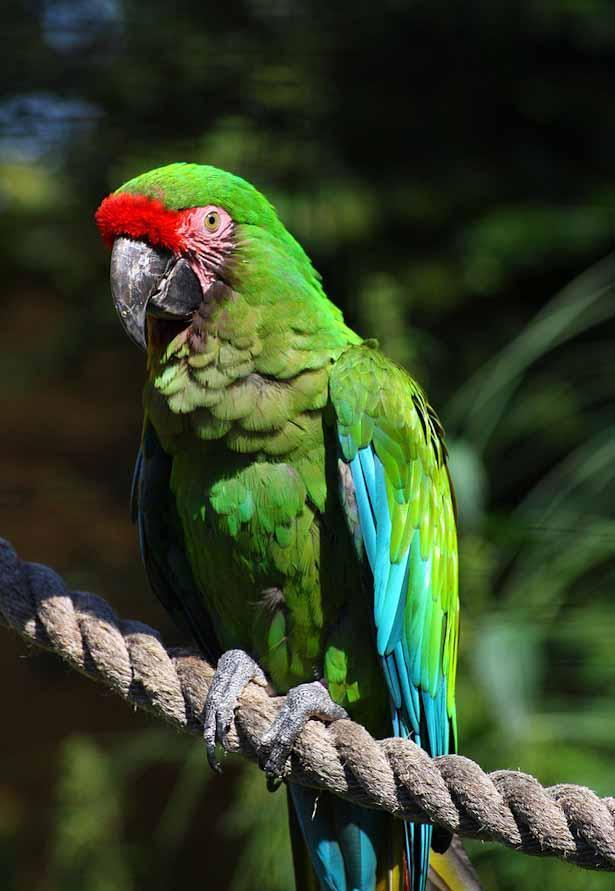
Rather than showcasing displays of perfectly manicured flowers and greenery this non profit garden is home only to botanicals native to Mexico and they are free to grow as they would in their own natural environment. In fact Vallarta Botanical’s Mission Statement is “To create Mexico´s foremost botanical garden for the propagation, study, discovery, conservation, and display of Mexican native plants for the enjoyment of Puerto Vallarta´s residents and our visitors.” They boast the most complete collection of orchids in the country and work diligently at the micro-propagation of endangered orchid species. Plus they are a sanctuary for, and leader in, the rescue and conservation of the Military Macaw. Jalisco used to be home to hundreds of thousands of these parrots but now due to development and poaching the numbers are as low as a couple of hundred.

Military-Macaw-1-2

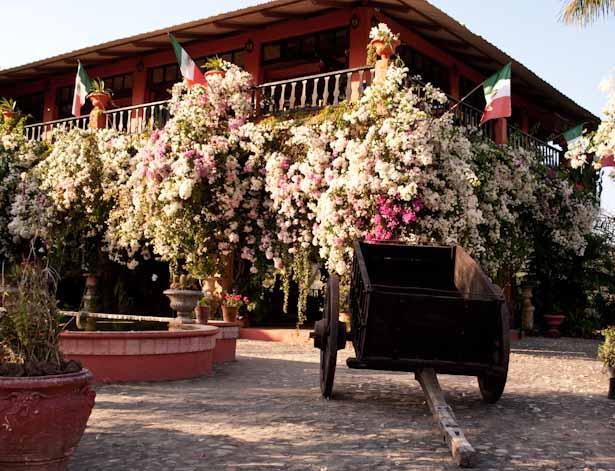
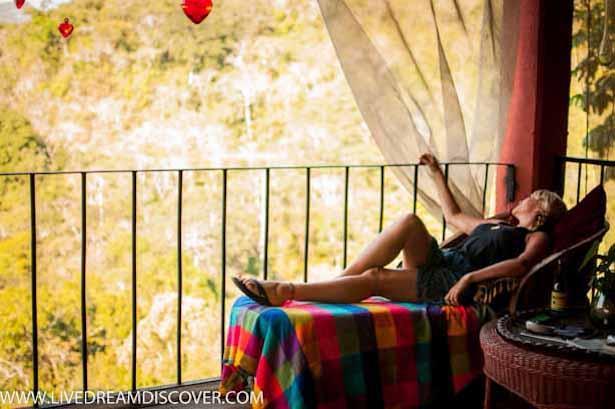
After a couple of hours of hiking, a refreshing swim and lungs full of chlorophyll filled air we were ready for some refreshment so we made our way to the Hacienda De Oro. What awaited us here was an unexpected oasis of luxury and comfort. The Hacienda is a three level building housing a restaurant, a small museum, a gift shop and a wonderful sanctuary called The Hall Of Flowers. Here you can relax in an exotic setting complete with chaise lounges surrounded by wispy white netting perfect for reading and watching the multitude of birds and butterflies perform their colorful dance.

22

333

444

5555

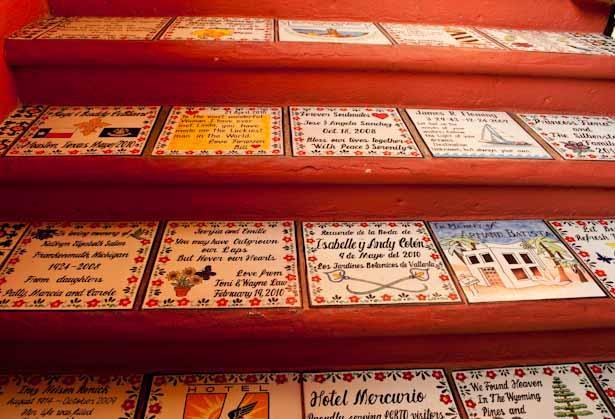
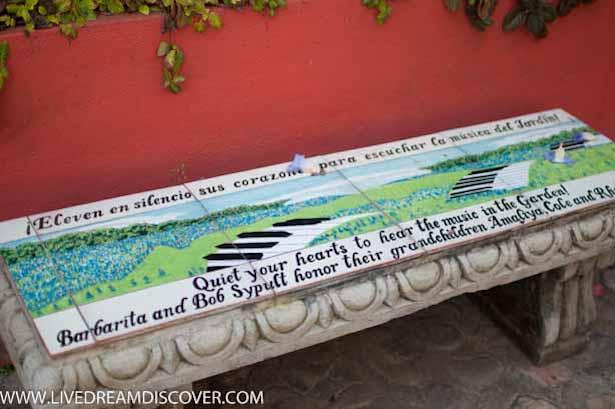
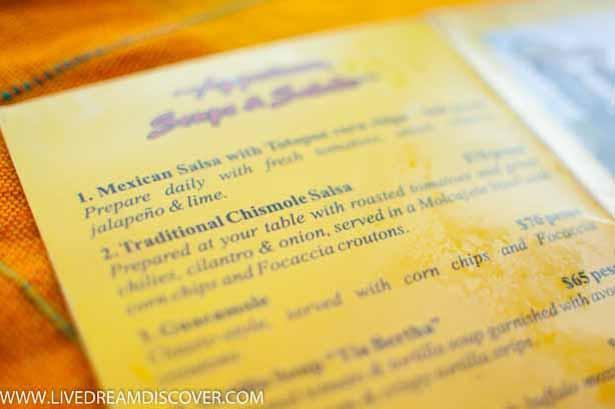
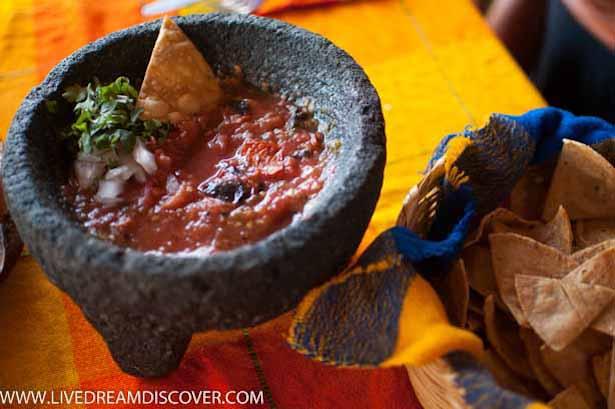
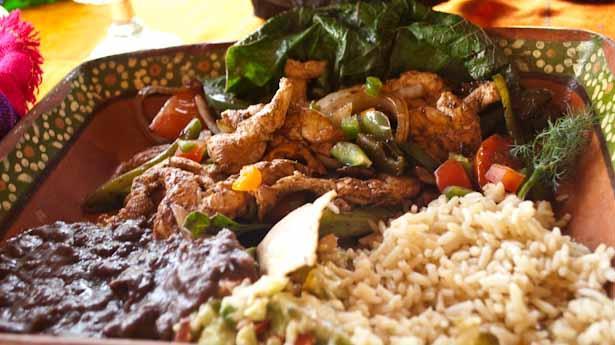
Climbing the hand painted mosaic tile stairs we found the renowned restaurant on the top level of the hacienda. We were taken to a lovely table on the outdoor verandah overlooking the hills, jungle and river below and presented with cold glasses of Agua de Jamaica which is my favorite non alcoholic drink here in Mexico. There was colorful glass art and flower baskets hanging from the eaves along with feeders attracting hummingbirds and other winged creatures which entertained us while we ate. Speaking of eating the food and service was outstanding! We ordered fajitas which were the best we’ve had to date and also a delicious traditional Chismole salsa. The salsa was made at our table using fresh garlic, sea salt, cilantro, lime, onion, roasted pepper and roasted tomato. It’s something that we intend to try and duplicate at home…we’ll let you know how that works out

66

77

88

99

10

Sadly the day had to come to an end as it was after 5pm and the last bus would be passing about 6pm. Satiated and relaxed we reluctantly tore ourselves away from the lovely verandah and bid farewell to the Vallarta Botanical Gardens. We thoroughly enjoyed our day and are so pleased that we didn’t decide to skip this near to last day trip on our list. It would have been a real shame to miss this experience as we certainly Discovered that not all Botanical gardens are created equal.

[readon1 url="http://www.livedreamdiscover.com/vallarta-botanical-gardens-not-your-average-garden/"]Source:www.livedreamdiscover.com[/readon1]


Grand-Park-Royal-Cancun-25

When it comes to Mexico there is no shortage of great beach destinations, including Tripadvisor’s top picks for 2014; Playa del Carmen and Puerto Vallarta. Both of these hotspots offer great beaches, warm weather and delicious food, so how do you decide which one is for you?

We recently spent three months in each town, giving us plenty of time to compare and consider the things we loved about each one. We found that although they do have a lot of similar qualities they have enough differences to make each place unique.

For example they both have beautiful beaches, but one is on the calm turquoise waters of the Caribbean while the other is on the surfer favorite Pacific. Both offer delicious Mexican cuisine but there are small differences in the style of the street food, restaurants and markets. They are both well-developed resort towns offering lots of night life and activities, but they do vary culturally and historically. Put all of these subtleties together along with your own personal preferences and priorities and it should be easier to choose between the two.

We have already created a “Best Of Puerto Vallarta” list so we thought we would go one step further and have our own “Best Of” battle between these two favorites based on our personal experiences and opinions . Feel free to challenge us or add your own “Best” to the list!

Best Scenic Beaches
Playa Del Carmen

Probably no surprise or argument here since Playa is on the Caribbean sea. It’s pretty tough to beat the turquoise water and powder soft white sand. Xpu-Ha is one of our favorites.

Xpu-Ha-7
Fun at blissful Xpu-Ha


Best Selection of Restaurants
Tie

It’s really impossible to choose between Playa Del Carmen and Puerto Vallarta for restaurant selection as they both offer a  wonderful array of varied restaurants from taco stands to world class cuisine. However as you’ll read further on there are  some differences in other restaurant related categories.

Best for Character & Charm
Puerto Vallarta

Definitely Puerto Vallarta hands down for its charming old town with cobblestone streets and quaint buildings. Playa del  Carmen didn’t stand much of a chance in this category as it is more of a planned tourist destination with very little old  world character.

Lady-Of-Guadelupe
Our Lady Of Guadalupe, Puerto Vallarta


Best Street Food
Puerto Vallarta

Although Playa Del Carmen has its share of taco stands we found that Puerto Vallarta offers a lot more options for  consistently good street food.

Street-Taco
Street tacos


Best Nightlife
Playa Del Carmen

In some ways we preferred Puerto Vallarta for its more laid back nightlife along the Malecon and Old Town, however if  high energy and dancing all night is what you’re looking for then Playa is your place. With its blocks of nightclubs and bars  around 5th Avenue plus the Vegas style Coco Bongo it’s really hard to beat.

Best Public Transportation
Puerto Vallarta

Puerto Vallarta has a fabulous bus system which will take you all over the city and beyond for one low price whereas Playa’s buses are much more limited and mainly just run up and down 30th Avenue

Best Watersports
Tie

Our first thought was Playa del Carmen in this category due to the superior snorkeling and scuba diving however the scales are more balanced when you account for the surfing waves of the Pacific. We personally spent more hours on the water in Puerto Vallarta due to the fact that you can generally negotiate the price of a boat ride more than in Playa but overall they have pretty much the same options. Parasailing, jet skis, paddle boards, fishing…you name it they both have it. You can watch a video of one of our days out on the water in Puerto Vallarta.


Playing-tourist-in-PV-29
Fishing trip in Puerto Vallarta


Best Selection of Accommodations
Playa Del Carmen

Playa Del Carmen and the surrounding area definitely have more in the way of luxury and all-inclusive resorts whereas Puerto Vallarta offers more in the way of condos and smaller hotels. In looking at the overall picture though we would say that Playa del Carmen wins for having more variety.

Grand-Park-Royal-Cancun-13
Grand Park Royal
 
Best For Friendliness
Puerto Vallarta

It’s not that Playa del Carmen is particularly unfriendly but we did find Puerto Vallarta to be a bit more open and welcoming. We attribute this mainly to the fact that Puerto Vallarta is slightly less touristy than Playa and that there are many people (especially snowbirds) that return to Puerto Vallarta year after year often for months at a time. This tends to create more of a community feel as visitors and proprietors have time to develop relationships.

Best Bang For Your Buck (Food, Drink & Activities)
Puerto Vallarta

With the development explosion in Playa Del Carmen comes an increase in prices. Although some prices are pretty comparable between the two towns, overall we have to say that you have a much better chance of staying within your budget in Puerto Vallarta. We were able to scout out far more options for mid and low-priced food and drink in Puerto Vallarta including our favorite $1 Margaritas beach side at the Sea Monkey! Here are some ways we saved money in Puerto Vallarta.

Margs-at-sunset-at-the-Sea-Monkey-1
$1 Margs at Sea Monkey


Best Vendor Free Beaches
Playa Del Carmen

There is a law in Playa Del Carmen that does not allow for beach vendors. This means that unlike in Puerto Vallarta you won’t have to be repeating the phrase ‘No, gracias.’ every 10 minutes to sellers of everything from sarongs to sunglasses and donuts to drugs. The downside is that you actually have to get off your butt to hunt down that coco frio or henna tattoo.

Xpu-Ha-10
Beautiful Caribbean beach


Best Town For Romance
Puerto Vallarta

Surprisingly (even to ourselves) we had to go with Puerto Vallarta on this one. Despite the beautiful Caribbean beaches in Playa Del Carmen there are just so many more romantic, candlelit, beach side restaurants where you can watch the sunset in Puerto Vallarta like La Palapa which we experienced here. Plus you have the bonus of strolling along the quiet cobblestone streets of old town after dinner as opposed to the rowdy 5th Ave of Playa.

*Note that this is based on the town itself, not accounting for the exotic and romantic resorts along the Riviera Maya

Best For A Family Vacation
Playa Del Carmen

This again could be a tie as the beaches of Puerto Vallarta are generally more kid friendly but Playa Del Carmen wins out because of all of the amazing theme parks such as Xel-Ha and X-Plore

Xel-Ha-9
Xel-Ha


Best For A Destination Wedding
Playa Del Carmen

The combination of the captivating Caribbean backdrop and the abundance of lavish beach side resorts make Playa Del Carmen a clear choice for a destination wedding.

Best For Living
Puerto Vallarta

Having spent almost three months in each place we can say without a doubt that for us Puerto Vallarta is the better option if we were to stay long term again. Puerto Vallarta is just more livable, feels less touristy and is overall less expensive than Playa Del Carmen. We also found it much easier to develop friendships and get involved in the community. You can read about our experience in finding a temporary home in Puerto Vallarta here and in Playa del Carmen here.

 Poolside-workout-2
Yoga by the pool at our home in Puerto Vallarta


Best For Cultural Events
Puerto Vallarta

Probably due to the reasons above we found Puerto Vallarta to offer more in the way of cultural and community events. They have community centers, live theater and plenty of art galleries. One of our favorite things to do in Puerto Vallarta was the Southside Shuffle which you can read more about here.

Best For Shopping
Tie

This is a very subjective choice as it depends on what you’re looking for. Playa del Carmen has more in the way of designer label and high end boutiques but Puerto Vallarta has better every day shopping. As you would expect they are pretty comparable when it comes to souvenirs and local crafts so ultimately we gave it a tie.

Best For Excursions & Day Trips
Playa del Carmen

Although Playa del Carmen is a base for some fantastic day trips such as Bucerias, Sayulita and Yelapa, to name just a few, Playa del Carmen wins this one as it boasts the ruins of Tulum and Chichen Itza, the numerous Xcaret theme parks and the beautiful islands of Cozumel and Isla Mujeres. In addition to those listed they both offer many great snorkeling, fishing, diving and party boat excursions as well as zip lines and other more adventurous activities. You can learn all you need to know about a day trip to Xel-Ha (one of the Xcaret theme parks) here.

GOPR0173
Sayulita


Best Weather
Puerto Vallarta

This is another one that we found difficult to decide as they both boast perfect weather depending on what time of year you visit. Ultimately we went with Puerto Vallarta simply because the humidity and rainfall tend to be a little less than in

Best Scenery
Tie

Definitely a toss-up for us. Puerto Vallarta has the mountains whereas Playa del Carmen is as flat as a pancake but then Playa has the turquoise waters and powder white sand whereas the water and sand in PV is a little less spectacular. They both have blue skies and palm trees along with tropical flora and fauna so when you lay it all out it really is tough to decide…so we didn’t.

Best For Markets
Puerto Vallarta

With the old town market along the river plus the Zapata food market and the weekend craft and farmers markets Playa del Carmen is no match for Puerto Vallarta in this category.

Playing-tourist-in-PV-25
Yelapa, Mexico


Best For Sunsets
Puerto Vallarta

Puerto Vallarta beaches and the malecon boast a front row seat for spectacular sunsets as they face West whereas Playa beaches face Southeast.

Sunset-in-Puerto-Vallarta
Puerto Vallarta sunset


It looks like for us at least Puerto Vallarta wins by a small margin which is actually a bit of a surprise to me. This was my first visit to Puerto Vallarta as I had always been pulled by the lure of the exotic Caribbean and had therefore just assumed I would prefer Playa del Carmen. Creating this comparison really opened my eyes to how much I’d been missing by making assumptions and dismissing the Pacific coast of Mexico…I guess that’s what travel is really all about.

We’d love to hear your opinions on this debate. Playa del Carmen or Puerto Vallarta; what is your pick and why?

[readon1 url="http://www.livedreamdiscover.com/puerto-vallarta-vs-playa-del-carmen-battle-of-the-best/"]Source:www.livedreamdiscover.com[/readon1]


Pierde-Almas-range

Most people with at least a passing interest in booze will have heard of mezcal, but probably very few know what it actually is. Many will think that it is a bit like tequila but has a worm in it with hallucinogenic properties.* In fact mezcal is a more general term for a type of agave spirit of which tequila is just a specific example.


The people of South American have been making booze from agave in a traditional way for a long time: there are 200 different species that are used, and 150 that are just found in Mexico alone. But the distillers of the area where tequila is made started pressing for legislation to protect their particular version: “tequila” can only be made in the state of Jalisco and limited areas in the states of Guanajuato, Michoacán, Nayarit, and Tamaulipas and it must be at least 51% blue Weber agave (many premium examples are 100%), a strain bred for the purpose. Much of it is made under modern industrial conditions.

 1
 Jonathan Barbieri

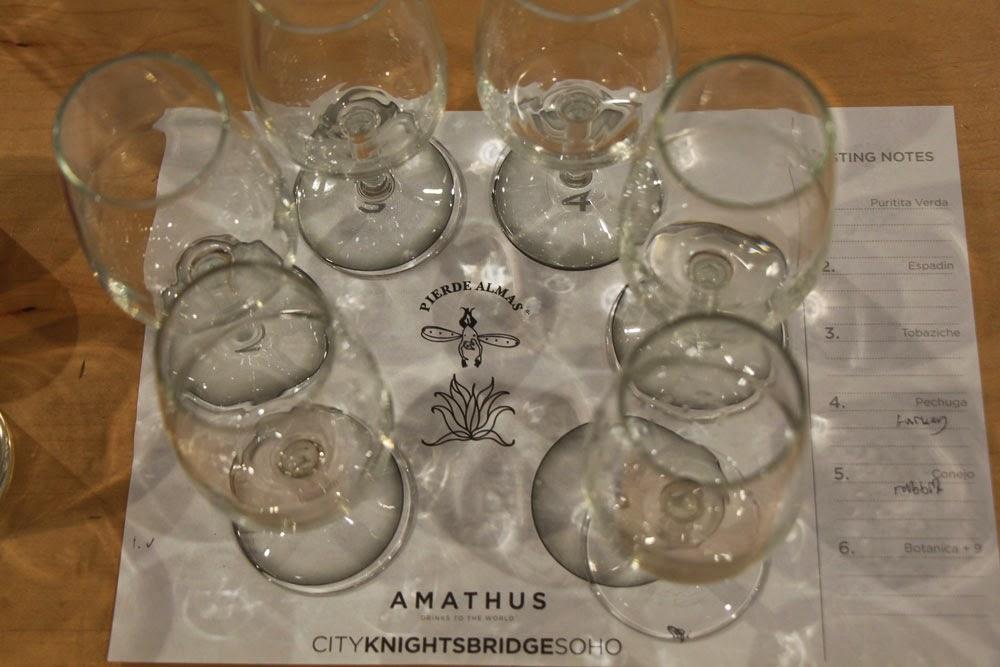
Everything else is mezcal.** But there is more to it than just the huge variety of agave that is used and the varied terroir. I was lucky to be invited to a masterclass at Amathus in Soho led by Jonathan Barbieri, the man behind the Pierde Almas brand. Jonathan is an articulate and engaging speaker and clearly passionate (sorry to use the P-word, but there it is) about both promoting this little-known spirit and protecting the traditions behind it. He explains that in addition to the variety of plants that go into mezcal—25–30 species in Oaxaca state alone, the region where he has his distillery—and the effect of different soil, traditionally each village will have its own style, and within each village there might be 40 families with traditions of their own. Mezcal is perfect example of an “artisanal” product, made by many people but typically as a sideline and essentially for personal consumption. For this reason, until recently you couldn’t even buy it in Oaxaca de Juárez, the state capital. Jonathan believes his products are “true” mezcal, tasting pretty much as it would have done 150 years ago.

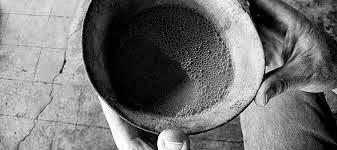
Life most mezcals the Pierde Almas batches have no standard ABV (with the exception of the Puritita Verda, which is standardised at 40% to help barmen make cocktails with constant results). In each case the master distiller decides what ABV best suits that bottling. The examples we taste on this occasion are 48, 49, even 50.9%. (By contrast tequila, while permissibly between 35 and 55%, is typically 38–40%.) Jonathan explains that all kinds of natural factors affect the flavour: if it is cold the fermentation takes longer.*** If it is rainy water may seep into the oven pits where the agave is roasted prior to fermentation and cool the contents, reducing the level of smokiness imparted by heat. The maestros test ABV by dribbling some of the spirit from a bamboo tube into a gourd bowl. By observing the formation and behaviour of the bubbles (“las perlas”) they can gauge the alcohol strength accurately to within 1%. (Nowadays they also have lab equipment to verify their conclusions to comply with legal requirements, but they still use the old method in the first instance.)

2 
A mezcal maestro can gauge the alcohol percentage from
these bubbles

\The agave used is all wild. (Only about three species of agave are cultivated, including the blue agave used in tequila.) Jonathon describes the process: although the land is common land, you must first apply for permission to harvest specific plants, which you may have been monitoring as they mature over 20 years. You trek out with your mule train, perhaps for five or six hours, to a particular spot. Having harvested and trimmed the plant you carry it back to the mules—and it may weight 70 or 80 kilos. When all your mules are laden you trek back, then return the next day to start again. Given that the harvesting window between the rains and when the plants start to flower (at which point they can no longer be used) may be just a month, it can be a struggle to fill your oven. Most of the products we taste with Jonathan are made in quantities of just 300–900 bottles a year.

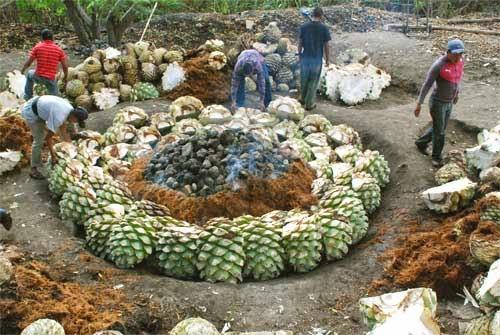
To convert the starch in the agave into sugar that can be fermented, the plants are roasted. Wood fires are used to heat stones in pits and the agave are placed on top and covered. To prevent singeing the stones are covered with mats of damp agave fibre, and the amount of this used will affect the smokiness of the finished drink. Likewise, some villages line the pit with stones, which will reflect heat back in on the agave, while others do not.
 3
 Loading the pit oven to roast the agave piñas

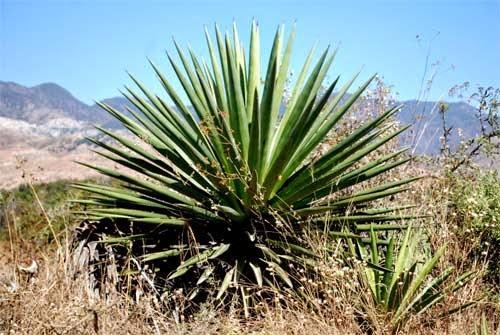
Pierde Almas mezcal is made from agave grown at 1800–2000 metres above sea level. The first samples we try are made from the Espadin agave (of which the blue agave is a variant). The Puritita Verda is simply the Espadin mezcal standardised to 40% alcohol. The nose is dry, in a pencil-lead way, like grappa, less herbal and fleshy than tequila, with a hint of white wine (perhaps Reisling). There is fruit in the form of grapefruit and pears, and a smoky tar/creosote element which gradually grows. (In fact I find with all these samples that this smoky element develops the more you slop and swirl it round the glass.) The palate follows through with a strong tarry smokiness married with grapefruit soda. The Espadin product is basically the same drink but bottled in this case at 50.9%. At first the nose seems quieter, barring a buttery quality. But as it opens up in the glass it emerges as much like the Puritita Verda. This continues on to the palate, with an element of oranges too.

4 
 The espadin agave

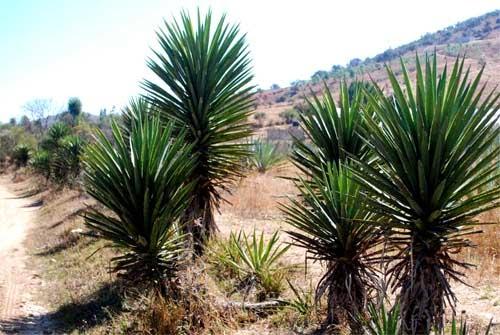
Next we try the Tobaziche mezcal, made from the tobaziche (“long agave”, or Agave karwinskii) plant. This is a complex species, appearing in different forms under different circumstances. This strikes me as fruitier than the Espadin but with a distinct dry, mineral quality, almost like wet plaster or clay, plus wood, grapefruit again and dry sherry. After a while I also get a meaty element, like salami. It’s a complex and evolving beast. The palate is smoky again but much less sweet than the Espadin.

On the subject of meatiness, the next example, Pechuga, is peculiar indeed. The spirit is double distilled then distilled a third time, but this time a turkey breast is hung inside the still. Yes, a turkey breast. In fact traditionally it is a chicken breast (pechuga means “breast”), but Jonathon, for all his respect for tradition, is not averse to experimentation. What effect does this meat have? No one knows, Jonathan admits. It starts off the size of a man’s hand and, by the end of the distillation, it is the size of a walnut. This alarms some vegetarians in the room—has the rest of the breast somehow entered into the drink? Jonathan explains that it is the spirit of the turkey rather than its flesh that passes into the drink. (I suspect that the shrinkage is due to muscle fibres contracting in the heat—I’m sure most meat contracts if you cook it on a high heat.)
5 
 The tobaziche agave

But there is more to this recipe than just the meat. Before the third distillation a selection of fruits and nuts are infused in the spirit. Jonathan admits they are not pretty—ugly, potato-like apples, small pineapples, black bananas, hawthorn, almonds and a touch of anise. So essentially it’s being made like gin, though obviously the “botanicals” don’t include any of the traditional gin ones (aside, perhaps, from anise). It seems to me that any attempt to establish the effect of the turkey breast in this process is rendered a bit pointless when there is all this other stuff in there as well! The nose is initially sweet, clear and bright, evolving to caramel and the characteristic smoke, some stewed fruit and something gamey. On the palate there is definitely pineapple, something floral, quite grappa-like; I couldn’t say I was tasting turkey.

To take his experiments further, Jonathan decided to switch not just from one bird to another but to another phylum, choosing the cottontail rabbit. Because of the season it took several days to catch just a few rabbits, and in the whole year they only made 340 bottles. The Conejo smells to me very similar to the Pechuga, though most of us feel that it is sweeter and less smoky. I get more of the apples on the palate (some get a distinct game character but I didn’t pick it up myself).

6 
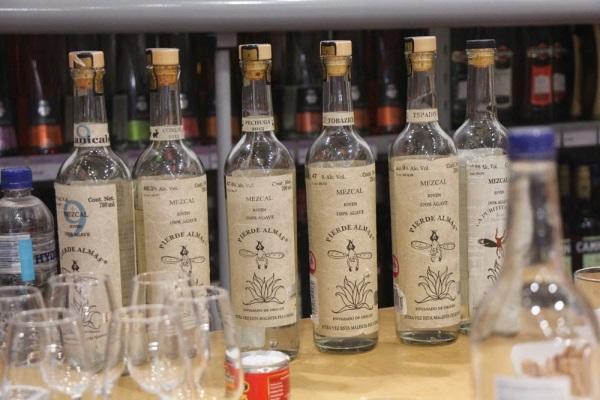
 As you can see, all the Pierde Almas products are unaged and colourless

As you will see from the photos, all the spirits look the same—there are no resposados in the range. Though mezcal is occasionally aged, it is traditionally drunk as it is, and certainly these examples, despite their high strength, do not need any softening in wood to make them palatable.

But Jonathan has one more trick up his sleeve—and indeed this is the whole reason DBS has come to the tasting. There is also a mezcal-based gin in the range, Botanica +9. Instead of infusing the botanicals, as with the fruit in the previous examples, they are vapour-infused—suspended in a hair net inside the still! The botanicals are juniper, coriander, fennel seed, angelica root, orris root, cassia bark, nutmeg and star anise. On the nose the juniper and orange are up front, with a sweet base and floral notes. The palate is dry with distinct elements of orange, coriander and orris. It has a nice “rustic” feel, but I don’t mean that it is crude, rather that you can clearly discern individual ingredients that went into it. I overhear DBS saying to Jonathan that, when he previously tasted the gin, he got more of the mezcal elements, but this time it just tastes like gin. But as with the whole range I think it is important to let the spirit open up in the glass: once again, after a while the smoky mezcal elements begin to emerge. I think this is a very interesting and worthwhile product.

71 
 

And as for the name, Pierde Almas? Jonathan has a story about that. His background is as an artist and once, while getting ready for a show, he had an assistant to help with preparing canvases. But the man had a habit of vanishing for days on end. Finally, after a week-long absence, Jonathan determined to find out where he disappeared to, which led to an obscure, inaccessible drinking den, where denizens nodded in a sepia atmosphere, while from behind a bar that was an incongruously colourful desk, mezcal was dispensed by a man with one eye, one arm, no teeth and a crippled leg. He was known as Pierde Almas, “he who loses your soul”.

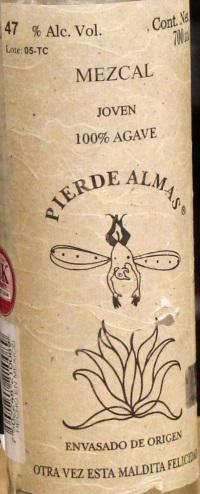
It seemed natural that Jonathan would borrow the name when he came to make his own product. The fibrous paper used for the labels is handmade, originally to his specification to resist a lot of rubbing out while drawing. It has a range of components, including cotton, acacia, mulberry and agave fibres. The logo, drawn by Jonathan, is based on a painting by Hieronymus Bosch and shows a lost soul falling into the hellfire of an agave plant.

Sounds a bit gloomy. “The mezcal may have caused us to lose our souls,” Jonathon says cheerfully, “but we’re better off without them.”

[readon1 url="http://instituteforalcoholicexperimentation.blogspot.com/2014/07/mezcal-mexicos-smoky-spirit-comes-to.html"]Source:instituteforalcoholicexperimentation.blogspot.com[/readon1]