





SPECIAL NOVEMBER PROMOTION!
 Dear Friends of Puerto Vallarta and Vallarta Shores

 Vallarta Today - Puerto Vallarta's Only Daily English Newspaper - Vallarta Daily News
The Newspaper Of The Bay
Vallarta Today - Puerto Vallarta's Only Daily English Newspaper - Vallarta Daily News
The Newspaper Of The Bay
Dear Friends of Puerto Vallarta and Vallarta Shores
 Vallarta Today Premieres Puerto Vallarta Newscast with a special tribute to Wayne Mcleod who lead the direction of Vallarta Today Daily English News for many years. Watch Now!

A sign inside El MarraKech, a gay bar in Mexico City, reads it does not discriminate based on sexual
orientation, race, physical ability, socioeconomic status or ‘any other reason.’
(Washington Blade photo by Michael K. Lavers) -
MEXICO CITY — The head of the Mexico City Council to Prevent and Eliminate Discrimination on Monday said poverty “drives” discrimination in the Mexican capital.
“It is not the same to be a gay person with means than it is to be a gay person without means,” Jacqueline L’Hoist Tapia told the Washington Blade during an interview in her office in Mexico City’s Popotla neighborhood. “It is not the same being an indigenous gay person than not being an indigenous gay person. So this puts you in a vulnerable situation.”
A survey of 5,200 people the council — known by its Spanish acronym COPRED — conducted in June 2013 found indigenous people, gay men and people of color are the groups who are “most obviously discriminated against in Mexico City.” Lesbians and those with HIV/AIDS are also considered more likely to face discrimination.
Nearly a fifth of respondents said poverty is the most common cause of discrimination. Seventeen percent noted race, while 15 percent said a person’s sexual orientation prompts discrimination.
More than 80 percent of respondents acknowledged discrimination “exists” among cross-dressers. Nearly three quarters of those who took part in the survey acknowledged trans people face discrimination.
“What we found in the data is very interesting,” L’Hoist told the Blade. “On the one hand the citizenry is misinformed. It does not know what a gay person is. It does not know what a trans person is and ignorance and the lack of information above all else drives discrimination.”
The council is a semi-independent entity created within Mexico City’s Ministry of Social Development in 2011.
The council has two primary tasks: To assist victims of discrimination who file complaints and seek damages and to review public and legislative policy in the Federal District in which Mexico City is located. This mandate is outlined in the capital’s anti-discrimination law.
“It is a precise mandate the city government has given to us,” L’Hoist told the Blade. “We serve this mandate.”
The council has also undertaken a number of campaigns in support of Mexico City’s LGBT residents.
Posters noting October as the “Month of Equal Treatment” in the Mexican capital are currently located in subway stations and along many of the city’s main thoroughfares. Another campaign the council has launched seeks to make trans people more visible against the backdrop of Mexico City Mayor Miguel Ángel Mancera’s proposal that would allow them to legally change their name without a court order.
“Transsexual and trans people as you know very well is an invisible group,” L’Hoist told the Blade. “The idea behind the campaign is to recognize the trans population in Mexico City.”
The council also operates a clinic in Mexico City’s Condesa neighborhood for trans people and those living with HIV/AIDS.
Discrimination is a ‘crime’
Same-sex couples in Mexico City have been able to legally marry and adopt children since 2010.
Mexico City’s comprehensive anti-discrimination law includes both sexual orientation and gender identity and expression. Homophobia, biphobia, transphobia and lesbophobia are also considered forms of discrimination under the statute.
Those convicted under the anti-discrimination law face up to three years in prison, although a judge has the discretion to sentence him or her to community service.
“To discriminate is a crime,” said L’Hoist.
L’Hoist said the city’s left-leaning government is “very open” to extending rights to its LGBT citizens, compared to the country’s federal officials.
“We have not had any obstacle,” she told the Blade. “We have a lot of support…Mexico City is a city that has been recognized as very friendly towards diversity and in particular with the LGBT population.”
Anti-LGBT violence and discrimination remain serious concerns among local advocates in spite of these legal protections and political support.
A report from Letra S and other local advocacy groups based on local media reports found that 143 LGBT people were murdered in Mexico City between 1995-2008. Activists have also complained that police routinely subject LGBT people to abuse while in custody.
L’Hoist told the Blade that discrimination in the workplace and trans people having difficulty voting because the gender marker on their identification does not match their appearance remain issues. She added combating homophobia and anti-LGBT bullying in high schools is among the biggest challenges facing local LGBT advocates.
“We have advanced a lot as a government with the city’s public policy, but is a totally different thing as a society,” she said.
L’Hoist nevertheless remains optimistic.
Seventy-eight percent of respondents to the council’s survey said discrimination is bad. They also said they would consider changing their behavior.
“We found as a society that yes it certainly discriminates, but it is also a society that knows it discriminates,” said L’Hoist. “It is not silly. Society knows that it discriminates and we have clarity as to why it discriminates. You have to know this in order to prevent this

Anti-discrimination signs outside the office of the Council to Prevent and Eliminate Discrimination (COPRED)
in Mexico City. (Washington Blade photo by Michael K. Lavers)
[readon1 url="http://world.einnews.com/article/231550603"]Source:world.einnews.com[/readon1]

Life is short but apparently it can become a lot shorter if you spend your days dealing with a bad boss. In a recent study performed by Keas.com they found that 77% of employees experienced physical symptoms of stress from bad bosses and workers who had inconsiderate or uncommunicative managers were 60% more likely to suffer heart trauma. An Inc. study cited that workers who have poor relationships with their bosses are 30% more likely to suffer coronary heart disease. That’s right people, your bad boss could quite literally be making you sick!
It is estimated that three out of every four employees reports that their boss is the worst and most stressful part of their job and 65% of employees said they would take a new boss over a pay raise (Inc.). Could the statistics scream any louder that we have far too many bad bosses out there?
And one has to ask the question, “Do these bosses set out to be bad, and are they even aware that they are bad?” I would guess that most bosses don’t set out to be bad. I would also guess that most of them may be completely unaware of just how bad they are. You see the difficulty is that most of us judge ourselves by our intentions, while others judge us based on our behavior. So the fact is that most bosses may feel they have perfectly good intentions and therefore they justify or disregard their own bad behavior and as a result employees are left to suffer the effects of dealing with a bad boss.
We Judge Ourselves by our Intentions. Others Judge us based on our Behavior.
So what makes a boss a bad boss? Here are a few thoughts on how to tell if your manager falls into the “bad” category of bosses:
|
If reading that list caused you to feel heart pain, you may very well be risking your health! So what can you do about it? The obvious answer is to quit and go work for a good boss, but not everyone is in a position where they can afford to walk out on their job until they find a new one. So what do you do in the meantime? Here are four ideas that might help:
|
“It is your reaction to adversity, not the adversity itself, that determines how your life story will develop.” – Dieter F. Uchtdorf.
Remember that you can’t control other people, you can only control your reaction to them, so always do your best to react in a way that you can look back on and feel proud. Your heart will thank you later.
 ~Amy Rees Anderson (follow my daily blogs at www.amyreesanderson.com/blog )

Puerto Vallarta proper is made up of several zones, all of which lie along or near the city's waterfront, Banderas Bay. Residential areas sit in the eastern part of the city. The Hotel Zone and Marina Vallarta stand just a few miles from the city's airport, while the popular Playa Los Muertos is located on the city's southern side. In between is El Centro, home to some of the city's oldest architecture and streets, including the renowned Church of Our Lady of Guadalupe, on Hidalgo Street. North and east of the city are popular pueblos -- or towns -- that offer a less commercialized and more authentic glimpse of the Mexican lifestyle.
Marina Vallarta
Many of Mexico's most luxurious and expensive resorts lie along Marina Vallarta, just a few miles south of the city's airport. The area also includes an 18-hole golf course and a waterpark, as well as a popular boardwalk with cafés, restaurants and boutiques. Also located on the marina is the landmark lighthouse, El Faro, which offers spectacular views of Banderas Bay.
Hotel Zone
Just south of Marina Vallarta along Boulevard Francisco Medina Ascencio is the crowded Hotel Zone. As the name suggests, this area houses hotels aplenty, but it's also central to shopping centers, attractions, restaurants and public transportation. Unfortunately, it can also prove too congested for travelers seeking peace and quiet. Traffic along the avenue has become increasingly busy and parking can be scarce.
El Centro & Zona Romantica
South of the Hotel Zone, El Centro is another very active area in Vallarta. The area has eclectic and abundant cuisine offerings, as well as its vibrant art scene and its seaside malecón, the boardwalk that runs along the bay's shore. The area's narrow cobblestone streets and famous Church of Our Lady of Guadalupe also offer tourists a glimpse into an older, less commercial Vallarta. A little farther south is the Zona Romantica, or Romantic Zone, home of one of the popular Playa Los Muertos. The south side is also the center for the city's thriving gay scene. A newly constructed Malecón seaside walkway offers spectacular views of the bay and easy access to the beach.
Pueblos
Local towns outside of Puerto Vallarta proper offer travelers a better glimpse of the local lifestyle and culture. One of the most widely-visited pueblos just north of Puerto Vallarta, Bucerías, offers fine food and excellent beaches with fewer crowds than its southern neighbor, as does the small town of Punta de Mita, home to several beachside hotels and resorts. Towns and pueblos like Bucerías and Punta de Mita are accessible by bus and by rental car. To the south of Puerto Vallarta, seaside towns like Yelapa also offer luxurious hotels away from PV's more crowded city center.
Safety
The drug and gang violence that has afflicted much of Mexico in the past several years has not greatly affected Puerto Vallarta. That said, be sure to check U.S. State Department travel advisories before heading to Puerto Vallarta or anywhere in Mexico.
Most of the dangers in Puerto Vallarta involve swimming and food safety. Never swim by yourself or without the supervision of a lifeguard. Travelers should also note that the surf is rougher in the days following a rain or thunder storm, so proceed with caution after bad weather. If you're going hiking or walking in the wilderness, wear long pants and shoes to prevent serious injury from snake bites.

WHETHER you're celebrating the Mexican festival of Dia de los Muertos (Day of the Dead) or simply riding the Mexican wave, there is much more to the country's cuisine than tortillas, corn chips and salsa.
Dia de los Muertos - Day of the Dead - is a Mexican holiday when family and friends gather to pray for and remember family members who have died. It is traditionally celebrated on October 31, November 1 and 2, with celebrations featuring feasts, sugar skulls, marigolds and more.
The festival coincides with the celebration of Halloween which also remembers the dead, but nowadays tends to focus on American-style traditions of trick-or-treating, costume parties and horror films.
Day of the Dead is just one example of the strength of Mexican culture and its links to food. Leonie Young, of gourmet food providore The Essential Ingredient, Cooks Hill, talked Food & Wine through the cuisine of Mexico, its rich cultural links and the multitude of ingredients now available to recreate both authentic and modern takes on the country's dishes.
"Very few cuisines are as connected to the culture and history of a country than that of Mexico. From the bursts of colour on the plate, the complex combinations of smoky, spicy and sweet and the inherent shared nature of the cuisine's enjoyment, Mexican food is elegant in its simplicity," Young told Food & Wine.
"When the Spanish conquered the Aztecs in the 16th century, they attempted to impose on the locals the ingredients and techniques of their empire.
"Due to the difficult South American conditions, and the existing agricultural nous of the locals, only aspects of the conquering cuisine stuck; chief among them, farmed animals such as pigs, cows, sheep and chickens."
Young said the link between the food and culture was so strong that UNESCO had added it to its Intangible Cultural Heritage List.
But the influence of Mexican cuisine has, she said, also stretched beyond the country's borders.
"South American flavours, ingredients and techniques [are] being adopted around the world. Some find contemporary riffs and culinary fusions, while others adhere strictly to the traditions of the classic dishes."
Young said whether you are a stickler for tradition or a lover of the modern twist, The Essential Ingredient has a large range of Mexican ingredients available, including an extensive range of whole dried chillies.
Just to name a few, there is the ancho chilli with a sweet and smoky flavour, reminiscent of plums and sundried tomatoes - perfect in soup, stews and salsas. The chille de arbol has a searing heat and a subtle smokiness, while the guajillo chilli is delicately mild, with delicious scents of dried berries and green tea making it perfect for sauces, salsas, stews and more. A traditional ingredient in many Mexican sauces, the pasilla chilli is a medium-hot chilli with notes of raisins, cocoa and tobacco, while the chipotle chilli is a smoke-dried jalapeno that adds a meaty depth to stews and soups.
The Essential Ingredient also stocks many of the harder-to-find Mexican ingredients that you may come across in a recipe. You can find tomatillos – known as the husk tomato or Mexican husk tomato, a nightshade related to the cape gooseberry – which have a fleshy centre and a uniquely tart flavour that is essential in a traditional Mexican salsa verde.
Young said the store also stocks a range of flour and corn tortillas, but if you prefer to make your own, they have yellow corn masa flour and tortilla presses to do it all at home.
The Essential Ingredient also stocks plenty of Mexican sauces. Chipotle chillies in adobo sauce are a staple in Mexican stews and salsas, but are also perfect added to mayonnaise and slathered over freshly grilled corn. The Cooks Hill store also has an exclusive range KI Gourmet Sauce, named for the Mayan word ‘‘Ki’’, meaning an exquisite or delightful food.
The products capture Mexican culinary traditions interpreted in modern and innovative ways. Keeping the cultural element strong, each product is named by reference to a song, figure or legend of the Mexican culture. The range includes La Doña (salsa verde, a sharp, hot classic in Mexican cuisine made with tomatillos, fresh serrano chilli, onion, garlic and coriander); Salsa La Llorona (Morita chilli salsa, a hot sauce combining roast tomatoes and morita chillies to create a flavour that adds a touch of smokiness to eggs, meat, fish and other seafood dishes) and María Bonita (tamarind and chipotle chilli salsa, gives a sweet smoky flavour to grilled meat and seafood, excellent as a marinade for grilled chicken wings and barbecued ribs).

[readon1 url="http://www.theherald.com.au/story/2656018/get-a-taste-of-mexico/?cs=4198"]Source:www.theherald.com[/readon1]

Whether you're having a few bros over to watch the game or submitting to a Netflix binge, 7-layer dip is always a welcomed snack. It's a flavor-packed powerhouse that allots you every taste you need in one fell swoop. This vegan 7-layer Mexican dip from Minimalist Baker gets the job done -- it's creamy, spicy, fresh and filling while being entirely dairy- and meat-free.
Makes you want to throw a little fiesta, no? The colorful dish's seven layers come to life with avocados (naturally), refried beans, salsa, vegan cheese spread peppers, olives and cilantro. Tortilla chips would be fantastic with the concoction, but it also lends itself to more creative dippage potential. Think jicama slices, pita chips or even spread on a sandwich. Get the full recipe here.
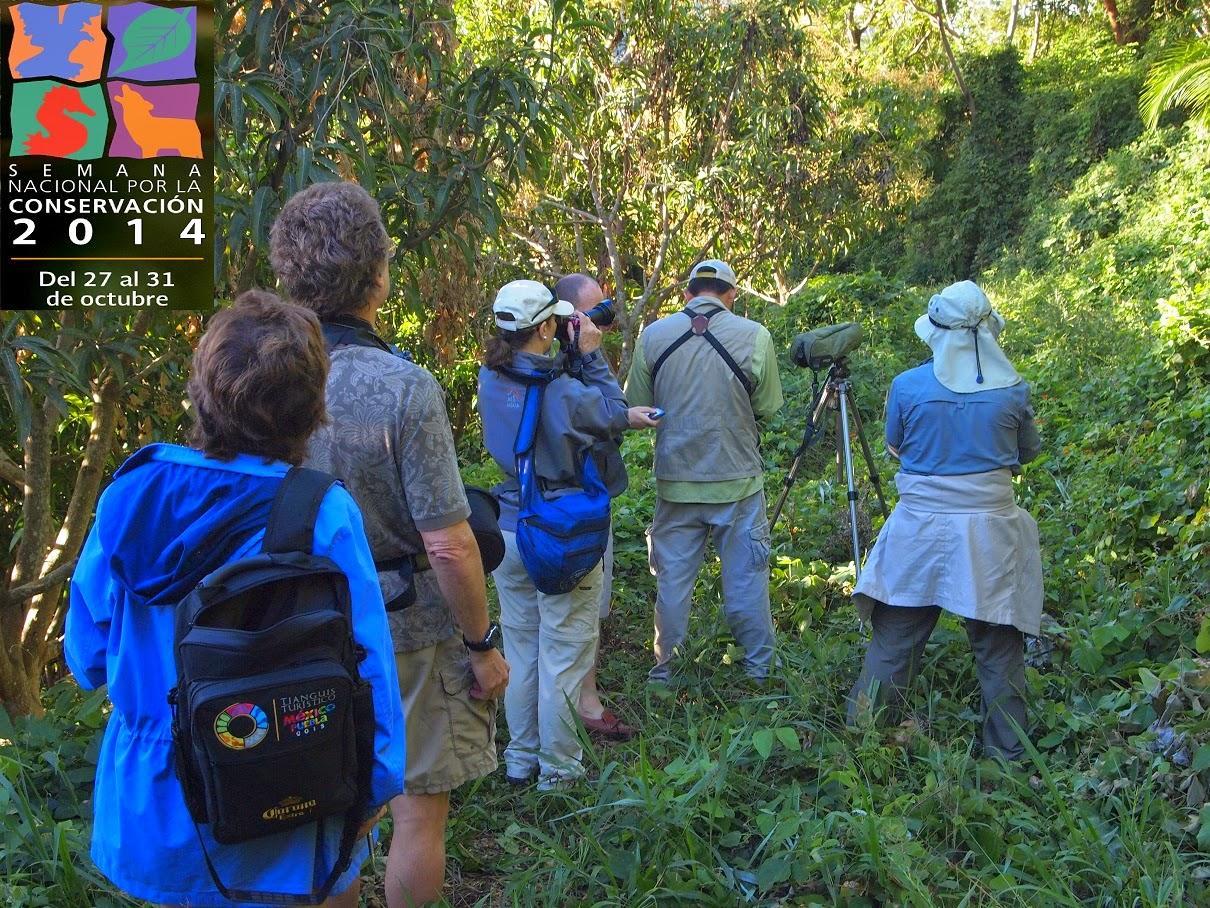
Expos, conferences, workshops, a drawing contest, bird watching, art and plenty of environmental education are all part of the week’s events to better promote, protect and get to know the Historic Port of San Blas.
From October 28th through November 1st San Blas will once again celebrate National Conservation Week, an activity that was discontinued in 2011. It’s back and with every intention of staying in order to augment the development of environmental education and the conservation of the Port of San Blas and its adjacent communities.
This event, organized by the office of the Isla Isabel National Park, part of the Comisión Nacional de Áreas Naturales Protegidas (CONANP), was revived thanks to the initiatives of two environmental teachers, Caitlin Chew and Natasha Darre, who both volunteer at said office.
“This year’s overall theme is the conservation of our biodiversity, but since San Blas hosts so many migratory birds we want to focus on that as well. The idea is to involve more people in environmental education, so the citizens can learn about the mangroves and the other many important elements of this region,” said Natasha Darre.
Among the activities to be held are bird watching events at the Crocodile Reserve and La Tovara, which, by the way, are the only activities that will entail a fee, though it will be a token rate if you take into consideration the original price of this type of expedition. These will be held on Fridays at 3 p.m. and Saturdays at 6:45 a.m., led by professionals Mark Stackhouse and Francisco García.
The majority of the activities will take place in the afternoons, including the expos, as well as the conferences, chats and other events aimed at sharing knowledge. The mornings will be taken up with workshops with students at the different schools.
One of the objectives is to choose a signature species for the San Blas National Conservation Week, which will be done via a drawing contest among the children. The Blue-Footed Booby is already the image of the Isla Isabel National Park.
“We hope to get tourists interested in visiting San Blas. We’re very thankful to the Riviera Nayarit CVB because we need to get the information out about our events and attract more people. San Blas depends a lot on ecotourism and it’s very beneficial to us when the citizens are aware of the resources we have, that way we can have better guides and tourism service providers,” added Darre.
For more information please contact the organizers at

Photo taken by Marvel
Nestled below the United States you will find one of the most visited countries in the world, Mexico with its exotic blend of colonial cities, ancient ruins, golden beaches, tropical jungles and nature reserves. Join in with never-ending fiestas and immerse yourself in their vibrant culture. You will be spoilt for choice as to what to do first.
For those looking for some party time on holiday then head to lively Cancun and enjoy an array of bars, restaurants and clubs to dance the day away. Of course, in between you may want to soak up some rays on the sun-drenched beaches, cool off in the crystal clear seas or take on some exciting water sports for adrenalin thrills.
For a relaxing family break, make your way to the stunning Mayan Riviera and its plethora of white, sandy beaches perfect for sun-bathing, sand castles and swimming. Playa del Carmen is one of the highlights in this area and within easy access of the Tulum ruins. Wander around the cobbled streets and appreciate local shops selling delicate handicrafts and jewellery, or stop off for a bite to eat at the beachfront eateries.
Couples looking for a romantic and private escape should explore the Island of Cozumel at the heart of nature. You will be welcomed to your holiday hideaway by native wildlife, where you can chill-out on golden sands in this serene and picturesque setting, or practise your snorkelling and diving skills in the underwater paradise.
Culture lovers will not want to miss Chichen Itza, a breath-taking temple and one of Mexico’s famous archaeological sites. Mexico City will also sort out your culture fix, with a range of architectural delights, archaic remnants, awesome Cathedral and the spectacular Zocalo, one of the world’s largest squares. Furthermore, an hour outside of the city, you can encounter Teotihuacan City of the Gods.
 |
Marvel Atkins |
[readon1 url="http://www.examiner.com/article/visit-mexico-for-a-relaxing-family-break"]Source:www.examiner.com[/readon1]

Entrepreneurs are a breed of their own. While many people fantasize about breaking free from their 9-to-5 to be their own boss, few people actually follow through. This is because the entrepreneurial lifestyle might look great from the outside, but is filled with speedbumps, challenges, and plenty of stress.
The entrepreneurs who are successful on this rocky road, however, share a few traits in common. Thinking like an entrepreneur means leaving the beaten path and going off in new directions. It means leaving behind the fear of the unknown, because from now on, the unknown is where you’ll reside.
The entrepreneurial life isn’t for everyone. While you might dream about saying goodbye to your boss for good, the stresses of starting your own company solo might be worth a little annoyance to keep your day job.
A worker bee can kick back and relax, but entrepreneurs have to keep their eyes on the future at all times. Like a shark, they can never stop swimming or they’ll die.
Obviously, the lifestyle of an entrepreneur is different than a regular employee. But do they think differently as well? Here are five ways to think like an entrepreneur:
Be optimistic
To strike out on your own and imagine it’s all going to work out, despite odds to the contrary, entrepreneurs need a healthy dose of optimism. According to a 2012 survey by Gallup, entrepreneurs are indeed much more optimistic than their more traditionally employed peers.
Entrepreneurs believe in themselves, and therefore have a brighter picture of the future. They also report a higher level of enjoyment in their work and self-report having learned and grown more day-to-day.
Best of all, it looks like all this optimism can pay off financially. According to a study by the US Securities and Exchange Commission, loan applications were more likely to be approved when an entrepreneur was optimistic and enthusiastic. It looks like investors would rather go with Happy than Grumpy.
…But watch out for overconfidence
Unfortunately, all that optimism can often lead to a false sense of confidence. You have to have a lot of confidence to look at the odds of your business becoming a success, or even surviving, and imagine you’ll be the exception to the rule. Yet too much confidence can hold you back from being realistic about pitfalls and realizing when your organization needs a pivot.
Research has shown entrepreneurs have a tendency to be overconfident, especially those entrepreneurs who found their own companies. If you’re looking to walk down the entrepreneurial path, it’s important to work on striking a balance between a cheerful attitude and blind optimism.
Give up on perfection
Perfectionism is the enemy of success for an entrepreneur. If you want to get your company off the ground, you can’t spend an endless amount of time tinkering with your product or service until it is 100 percent perfect. Instead, you have to launch and work out the bugs along the way.
Many smart entrepreneurs have even had to completely pivot their ideas in a whole new direction along the way. In fact, micro-blogging giant Twitter started life as a podcasting service. You can’t be attached to the idea of perfection as an entrepreneur, because there’s no such thing at a fast-growing company.
Look at challenges as opportunities
For entrepreneurs, every speed bump or challenge along the way is an opportunity to improve and become better. Entrepreneurs are invigorated, not defeated, by challenges.
The business leaders who take their companies in bold and exciting new directions are the same people who don’t have time to be afraid of failure.
Make faster decisions
The speed of change in a startup can move as fast as the speed of light, which means decisions also need to be made quickly. Research has shown entrepreneurs, especially founder-entrepreneurs, have fast reaction times when it comes to making decisions.
These decisions can often be huge, make-or-break moments for a company. They take a lot of mental energy and a lot of processing in the brain. However, agonizing for long periods of time over decisions is not a luxury entrepreneurs enjoy. So quick decision making is crucial to ensure your company will make it to another day.
To be a successful entrepreneur, you need to cultivate a mindset unafraid of failure and excited by challenges. You have to beware of overconfidence, but have faith in your decision making abilities. You have to be able to envision a successful future, for yourself and for your company. Thinking like an entrepreneur can be the difference between a company taking off and one which never gets into the air.
What do you think? What ways do you think entrepreneurs think differently? Share in the comments!


That dream of basking in sunshine every day by the pool when you retire doesn’t have to be a mere fantasy in the dead of winter — you can choose to relocate.
Changing your locale upon retirement creates the opportunity for numerous social, health and yes, weather-related, benefits. But, it also can be a smart financial decision for those who choose wisely.
“A relocation can be an excellent way to free up extra funds, both from the savings you'll receive from taxes and a downgrade in living costs,” says Elle Kaplan, CEO of LexION Capital Management, a fiduciary wealth management firm.
It may be tempting to pick up and leave for a new town, but here are a few factors to consider before hitting the road:
1. Cost of Living. If you have a particular destination in mind, you’ll need to figure out how your retirement income measures up to the actual costs of living there. Americans 65 years or older had an average of $45,157 per year in income before taxes in 2013 with an average annual expenditures of $41,403, according to The Bureau of Labor Statistics. Because your expenses will change when relocating, you’ll first need to calculate your projected income including savings, Social Security and possible investments, and then factor in daily living expenses, bills, debt and possible health care costs.
From there you can figure out how much it would cost to relocate to a new area as well as new mortgage or rental costs, property taxes, pension taxes, income taxes and other fees. Estimate how much you’ll need to live in different areas using a cost of living calculator.
“Once you're no longer constrained by work, then you have the freedom to move to an area with lower tax rates, such as Texas or Florida,” says Kaplan, who advises retirees to financially plan like they’ll live to 100. “It's an instant way to give yourself a raise without doing anything more than changing your scenery.”
2. Weather. If you’re dreaming of year-round blue skies, warm temperatures and sunny skies, you could be among the droves of retirees who settle into towns and cities in the Southwest, Southeast and more tropical locales. The most popular retirement destinations include Florida, California, Hawaii, Texas, Puerto Rico, Mexico, Costa Rica, Portugal and the Caribbean.
On the other hand, if you fantasize about hitting the slopes and curling up in a mountain cabin in a winter wonderland, you’ll probably want to look for a mountain town. You can find scenic views, hiking trails and ski resorts throughout Colorado, Vermont, Oregon, Montana and Utah.
3. Social. If you’re looking for a retiree social scene to go along with your views of the golf course, you may want to look for areas with higher concentrations of the 55 or older set. However, if you want to live in an area with a mix of all ages, make sure there’s still a lively community for whatever you’re into. Finding an area with a community calendar of social clubs and activities is great way to meet like-minded people.
Relocating may also mean moving closer to family. Author Deborah Chamberlain says, “My first consideration is being close enough to be involved in my daughter's life without being too close for her sense of independence, or my independence.”
On the flip side, if you’re moving away from family, make sure you factor in distance and travel for holidays or life events. Marketing consultant Linda Carlson says finding an area with access to a decent airport is especially important, “so I can get out occasionally and the kids can come visit,” she said.
4. Cultural Amenities. Whether you choose a city, the country or somewhere in between, relocating creates opportunities to learn new things, explore new place and do what you enjoy. Find places with plenty of cultural amenities that appeal to you. This may include golf courses, tennis courts, lakes for kayaking, theater, museums, libraries or other local attractions. Nearby colleges may have free or low-cost classes for retirees.
Finally, if you’re planning to leave the expense of a car behind in a city, make sure there are plenty of walking opportunities, bicycle paths and great public transportation so you can get around easily.
5. Access to great health care. It’s no secret retirees have higher health costs, so you’ll want to find an area with affordable, top-notch health care. Look for towns with multiple hospitals within 30 miles as well as highly rated doctors and specialists. In case you or your spouse need to find a retirement community at a later date, check out what’s available in the area.
When you’re choosing a place to live after you retire, consider finding a short-term rental in an area you’re interested in to get an idea of what it would be like to live there full time.
Relocating can be an exciting fresh start for retirees looking for a new adventure. Just make sure you find the best location for your wallet too.
Divya Raghavan is the chief economic analyst for NerdWallet Cities, where she writes about cost of living and city trends.

Science students in primary are getting ready for this Thursday’s partial solar eclipse by making pinhole cameras for viewing the eclipse. Thank you to all the parent volunteers who have assisted in the classroom this week! The solar eclipse will be visible between 4:20 & 5:20 pm; the best time to view is 4:56 p.m.


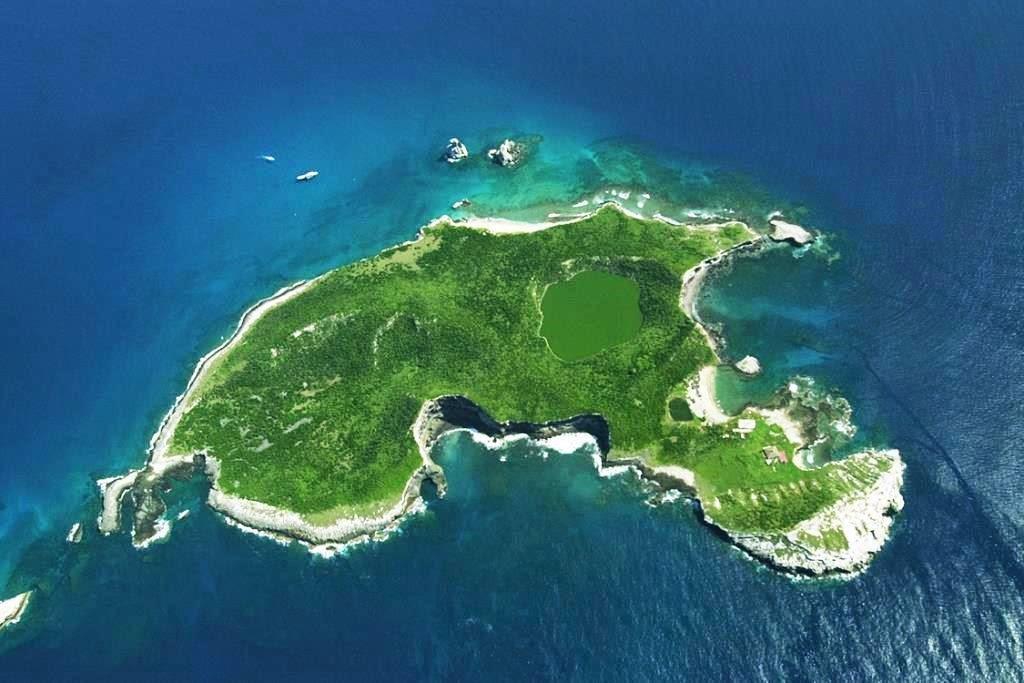
Isla Isabel is one of the many islands that form part of the State of Nayarit, along with the famous Marietas and Marías islands.
It’s located north of San Blas and is home to a huge population of birds, which is why it was declared a National Park in 1980 and then a Biosphere Reserve in 2000. Today there are certified, low impact tours available to the island. They allow for the observation of the birds, as well as snorkeling and scuba diving, not to mention the scientific study of the habitat of Isabel Island.
The island is of volcanic origin, half a mile wide and about three-quarters of a mile long, and is located some 43 miles from San Blas. It was created during the alignments of the volcanic strata of the Cocos Plate.
Today it is a paradise for bird lovers: there is a wide variety of endemic birds that live and reproduce there thanks to the varied flora, which is made up of deciduous forest and coastal dune vegetation. This allows for a wonderful biodiversity that gives rise to a huge population of birds that call this island home.
Among the many bird species visitors can observe are the Blue-Footed Booby, the Brown Pelican, the Brown Seagull, the Great Red Breasted Frigate, the Great Blue Heron, the Heermann’s Gull, the Double Crested Cormorant, the Sea Dove, the Brown Noddy and the Sooty Tern, among many others. And there’s more: there are False Coral Snakes, Whiptail Lizards, Spiny Lizards and Slow-Worms, plus 79 species of invertebrates, 79 species of coral fish and 24 species of sharks and mantas.
Of note is the fact that Jacques-Ives Cousteau filmed a documentary about the bird population on the island titled “The Sea Birds of Isabela.”
If you’re an avid birdwatcher—a complete and total birdie—you’ll find this is one of the places that you’ll need to put on your bucket list. Just call your favorite tour operator and head on over to the fascinating Isla Isabel!


 How to resolve AdBlock issue?