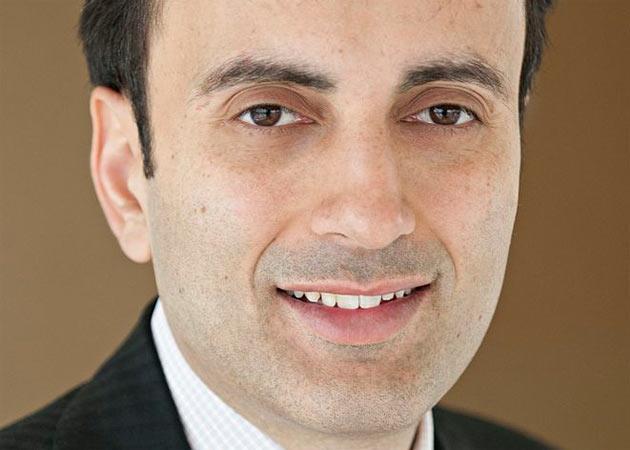
 In a December article published by Foreign Policy, Ruchir Sharma, head of emerging-market equities and global macroeconomics at Morgan Stanley Investment Management, names seven countries as “breakout nations.” He argues that these states have experienced more major economic growth in recent years than the BRIC nations (Brazil, Russia, India, China) and therefore should receive particular attention from the international community. For Sharma, the nations to watch are the Philippines, Turkey, Indonesia, Thailand, Poland, Sri Lanka and Nigeria. Experts on Latin America will quickly notice that there is not one Latin America nation on Sharma’s list.
Everyone is entitled to their opinion and there is no requirement that a list of breakout economies must include a nation from each region of the world. Sharma also doesn’t mention any country from the Caribbean, Oceania, or the Middle East. Nevertheless, several Latin American nations, such as Peru, Mexico, Chile, and Colombia, have enjoyed major economic growth within the past decade, comparable to some of Sharma’s nations, and they deserve to be mentioned for the sake of a comprehensive picture of emerging economic powers.
Growing and growing
Over the past decade, Latin American nations have experienced significant economic growth, with the four aforementioned states serving as the region’s own “breakout nations” (although they are each, to some extent, eclipsed by booming Brazil). For example, Colombia’s economy grew by 4.9 percent in 2012’s second trimester in comparison to the same period in 2011.
The sectors that enjoyed the most growth were construction, mining and finance. In addition, the U.S. Congress ratified a free trade agreement with Colombia in October 2011 which will further promote a favorable economic relationship between the two nations.
Meanwhile, Peru’s economy grew by 6.5 percent in 2012’s third trimester, in large part thanks to manufacturing and agricultural production. Stability within this Andean nation has also translated into an increase in international tourism, a critical source of revenue for small businesses in tourist regions like Cuzco. Chile continues to have South America’s strongest economy, with an average annual growth rate of 5.2 percent. Finally, Mexico has enjoyed a developing economy as well; according to CEPAL it will grow 4.0 percent in 2013 thanks to improvements in the U.S., its vital trade partner. Some optimistic analysts predict that Mexico could surpass the Brazilian economy by 2022. Just like Ruchir Sharma highlights how countries like Indonesia and Turkey will become trillion-dollar economies, the economic growth of states like Mexico—home to the world’s richest man, Carlos Slim—is a positive development, demonstrating that there are economic powerhouses in the region other than Brazil.
Latin America’s growth has also translated into strengthening trade relations with extra-hemispheric nations, which see the potential for successful investment in the region. For example, Colombian minister Diaz-Granados recently explained that trade between Colombia and Spain surpassed $2 billion, a significant growth compared to 2011. In addition, both Colombia and Peru are also close to signing a free trade agreement with the European Union. Finally, commerce with Asian states is expected to grow as Peru and Chile, along with the U.S., are part of the Trans Pacific Partnership (TPP), a project currently in the negotiation stage that aims to strengthen trade relations between the major Pacific economies. Extra-hemispheric nations that are also TPP members include economic powerhouses like Singapore, New Zealand and Australia. Regarding Latin America, more investments and external trade is generally regarded as a sign that the region in general has become an attractive commercial partner.
Ruchir Sharma and security issues
One topic that is not deeply discussed in Sharma’s commentary is security, although he does acknowledge, when talking about Sri Lanka, that violence affects an economy’s performance. Sadly, several of Sharma’s nations as well as Latin American states continue to face security issues that may hinder their growth in the coming years. For example, the Mexican government and security forces have battled powerful drug-funded organizations such as the Zetas and the Sinaloa Cartels for years. Apart from the thousands of lives that have been lost in this drug war, many in gruesome manners, there is concern than the Mexican economy has become somewhat dependent on the millions made from the illegal drug economy. Meanwhile, the Colombian government is currently in negotiations with the FARC guerrilla movement to end a conflict that has lasted for decades. Similarly, the Peruvian government continues to battle drug trafficking (the U.S. government claims Peru is now the world’s major cocaine producer, not Colombia) as well as the last remnants of the Shining Path terrorist organization.
Chile is the only country that has not had to face violent domestic movements, though the government has faced major protests by dissatisfied sections of the population, such as secondary and university students, in recent years.
However, the security issues faced by these Latin American states are similar to most of those on Sharma’s list. For example, Turkey has waged a war against the PKK, a violent Kurdish nationalist organization, for years. The Turkish economy may suffer if Ankara becomes more embroiled in the Syrian civil war. Meanwhile, Nigeria continues to suffer from corrupt leaders—as Sharma highlights—and violence, particularly from a group known as Boko Haram, which has waged war against the government since 2009. On December 2, 10 Christians were killed in Northeast Nigeria at the hands of Boko Haram in the latest security incident. Put simply: Sharma’s rising stars and several Latin American states face similar internal security threats. Even Thailand, usually regarded as a stable nation, has seen a rise in insurgency in recent years (as Sharma points out as well). The one stable country in Sharma’s list is Poland, which does not face insurgent internal violence.
The Latino breakout nations
Ruchir Sharma’s list of breakout nations in Foreign Policy, while generally comprehensive, is incomplete. In spite of internal security issues and other problems like corruption scandals and environmental problems, countries like Mexico, Peru, Colombia and Chile have flourished, particularly during the past decade. The fact that Lima, Mexico City and Bogota in particular, have managed to thrive in spite of guerrilla movements and drug-related violence is nothing short of remarkable. Hence, these nations are worthy of any list that has the title “breakout nations.”








 Last September was braking updating partial plans in districts Metropolitan Center and Minerva, but the City Planning Commission (Coplaur) of Guadalajara provides substantial changes to legacy projects, as a result of the exposure that is done to the people involved.
 U.S.-Mexico security cooperation, led by the Merida Initiative, is vital and must continue.
 Police, Firefighters and Road Agents Working Together for the Safety of Pilgrims
 Amendments to the Revenue Act of Puerto Vallarta for the financial year 2013 polarized Members of different political parties represented in the local Congress.
 The mayor of Puerto Vallarta, Ramón Guerrero Martínez, met with members of Citizens Movement Party (MC) in the state Congress in Guadalajara with whom he discussed among other topics, the necessary resources for the construction of a tertiary hospital in Puerto Vallarta, with investment from the three levels of government, on the order of 100 million pesos.
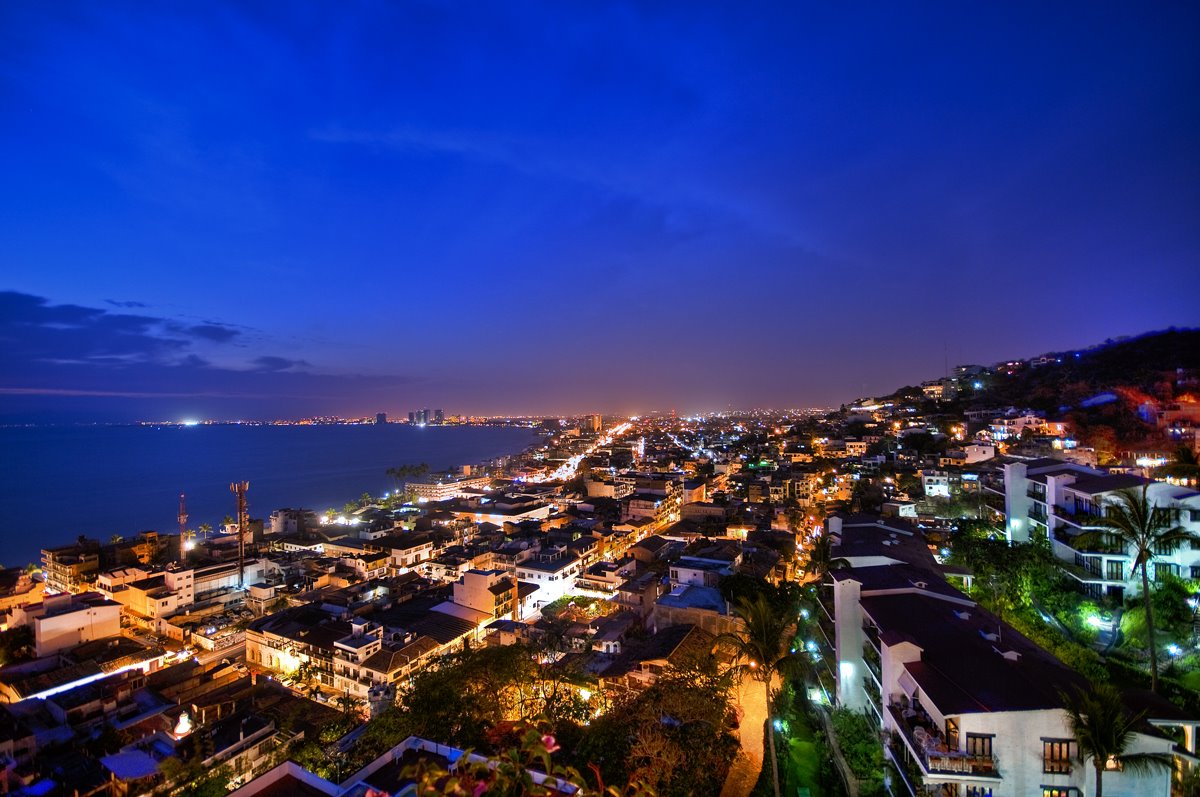 All municipalities in Jalisco, but three of the north, have their respective Atlas Risk, issued by the State Civil Protection Unit for several years, says the head of this corporation, Mayor Trinidad Lopez Rivas, who explains that this instrument serves for both authorities and residents know the soil conditions and the risks or vulnerabilities that this record at certain times of the year by natural phenomena or other circumstances, considering that the environments are changed voluntarily and involuntarily. Regarding Puerto Vallarta, mentions that is among the largest in the state is updated, which is a guarantee:
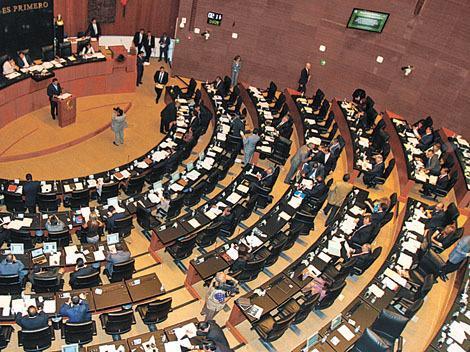 By 115 votes in favor and none against, the Mexican Senate ratified the appointments of three deputy secretaries of the Ministry of Finance and Public Credit (SHCP) and the head of the Tax Administration Service (SAT), proposed by President Enrique Peña Nieto.
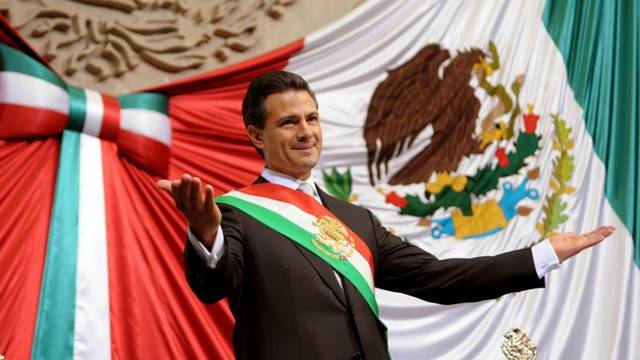 The official broadcast showed smiling legislators from the Party of the Institutional Revolution (PRI), uniformed in red shawls and red ties, welcoming the triumphant arrival of the president-elect amid cries of “Enrique, Enrique!” It was an almost flawlessly choreographed production, despite occasional cries of protest from the opposition. The presidential mantle was passed from one party to the next, the handsome new president delivered a well-polished speech designed to please all, there was the obligatory visit to address the armed forces. The official version of the inauguration of Mexico’s 57th president seemed to go off with only minor glitches.
 MEXICO'S president is making one last attempt to get the "United States" out of Mexico — at least as far as the country's name is concerned.
 The United States and Mexico are rewriting rules on how to share water from the Colorado River,
 If you think the debate over immigration from Mexico into the United States is complicated, just take a trip south of the border and look at it from that side. Complicated isn’t the half of it. The immigration debate is also dishonest and hypocritical and filled with people who would rather pursue their own interests than solve the problem. And it all revolves around a broken system that stays broken because important and powerful interests want it that way.
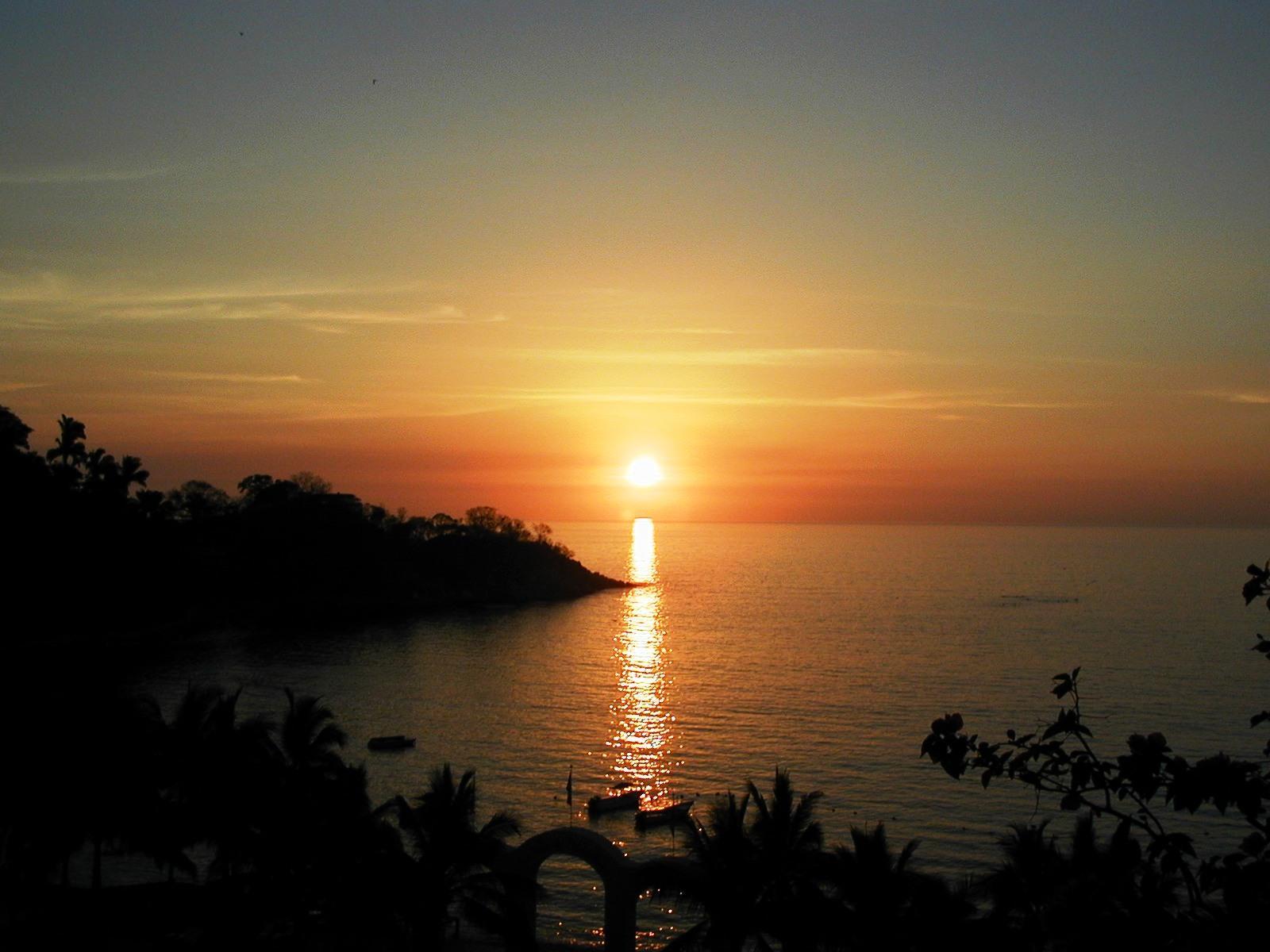 Puerto Vallarta originally served as a refuge for Spanish sailors hiding from pirates, thus cementing the town's role as a place to escape from the world. And, ever since Richard Burton and Elizabeth Taylor infamously rendezvoused here during the filming of Night of the Iguana, visitors have kept the destination's reputation for romance alive. But that's not a difficult task, considering Puerto Vallarta's charming streets, vibrant culture, and remarkable sunsets. Cliché as it might sound, romance really is in the air here.