




The Mexican Federation of Aquatic Rescue and Lifesaving, known by its Spanish acronym FESAME, administers the national certification programme that Puerto Vallarta's lifeguards recently completed. The federation sets standardised competency benchmarks for aquatic rescue personnel across Mexican beach destinations and oversees the evaluation process through which certifications are issued or renewed.

Puerto Vallarta's Civil Protection and Fire Department operates year-round but transitions to an elevated operational status for the city's two peak demand periods: Semana Santa and the December-January holiday season. The scaling process involves changes to staffing levels, coordination protocols, and the formal activation of inter-agency agreements that remain dormant during lower-demand periods.

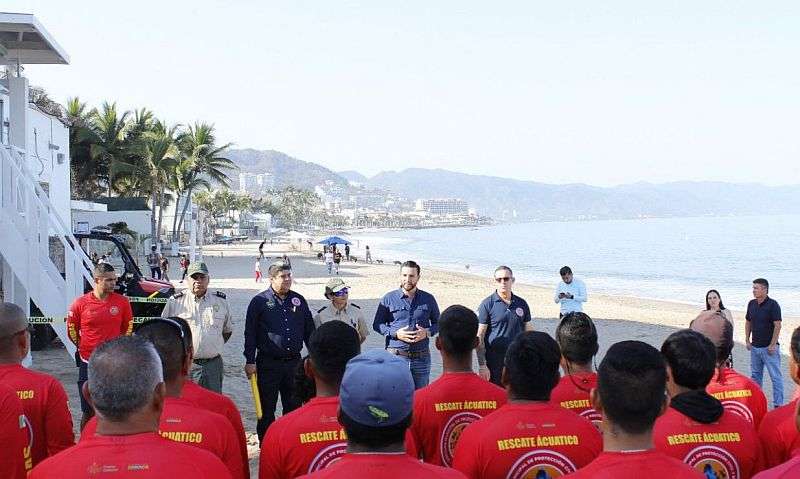
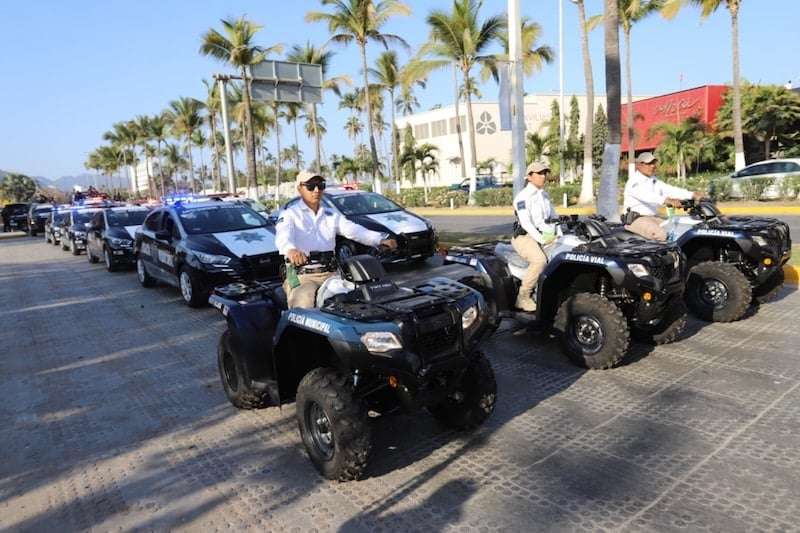
Puerto Vallarta's Civil Protection and Fire Department has activated a coordinated operational programme ahead of Semana Santa and Pascua, a two-week period that typically brings the city's highest annual visitor volumes. Director Misael López Muro is overseeing the effort, which brings together local, state, and federal authorities in a unified command structure.

Estero El Salado is an unusual case in Mexico's coastal conservation landscape. Most protected areas along Mexico's Pacific and Caribbean coasts are located in zones with limited urban development, where the primary management challenge is preventing future encroachment rather than managing an existing urban context. The estuary's survival within Puerto Vallarta's hotel zone reflects a specific set of historical, regulatory, and institutional factors that do not automatically replicate elsewhere.

Estero El Salado recently marked its sixth anniversary as a designated State Park. The estuary is located within Puerto Vallarta's hotel zone and covers approximately 209 hectares, of which about 135 are mangrove vegetation and wetlands. The remaining area includes medium forest remnants, thorn forest, aquatic plants, and secondary vegetation.

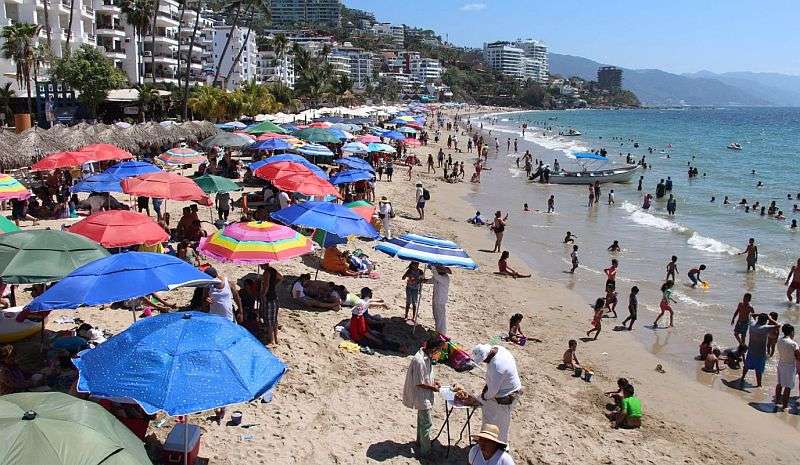
Semana Santa and the following Pascua week represent the highest-demand domestic tourism period in the Mexican hotel calendar. For Puerto Vallarta, a destination that draws heavily from the Guadalajara metropolitan area and central Mexico, the two-week Easter season routinely produces the highest occupancy figures of the year.

The Passion Play, a dramatic reenactment of the final days and crucifixion of Jesus Christ, is performed in communities across Mexico during Good Friday. The tradition has roots in the evangelisation strategies of the colonial Catholic Church. It has survived and evolved over five centuries into one of the most widely maintained public religious performances in the country.


FOEDEN stands for the State Natural Disaster Fund, a Jalisco state government mechanism for channelling financial aid to individuals and communities affected by natural disasters. The fund operates as a complement to the federal FONDEN system, addressing disaster impacts at the state and municipal level when federal activation criteria are not met or when federal resources are insufficient.

Puerto Vallarta operates a municipal health network that provides free primary care consultations to residents through a combination of fixed clinic locations and a mobile medical unit. The network is distinct from the federal health system operated through the IMSS and ISSSTE, which serve formal sector workers and their families. Municipal clinics are intended to fill access gaps for residents who fall outside those categories.

Mayor Luis Munguía visited the Las Mojoneras neighbourhood as part of the ongoing Route of Good initiative, a programme in which municipal leadership conducts work sessions directly in local communities. The visit included an inspection of the Dr. Tucán Clinic, which is nearing completion, and a community meeting where residents identified their most pressing needs.

More Articles …