





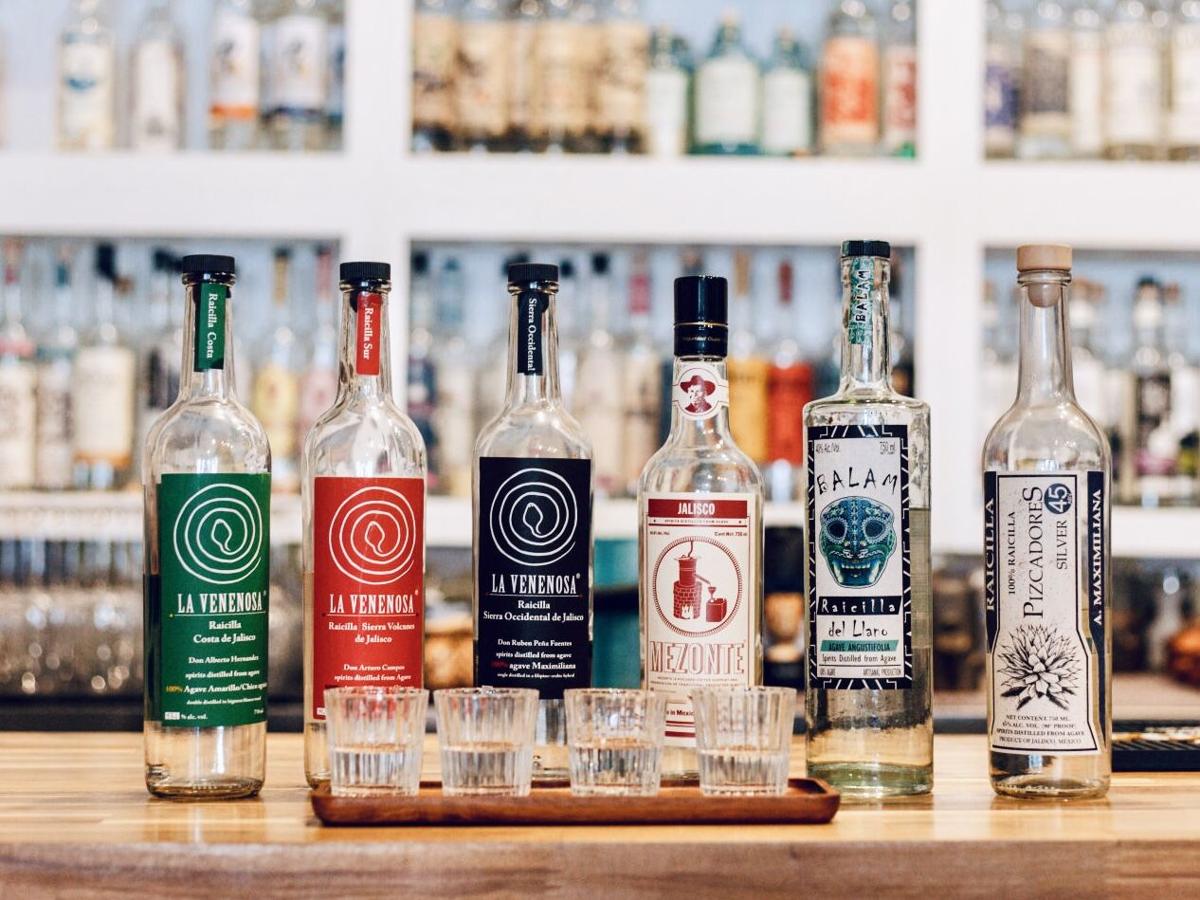
Raicilla is an agave-based distilled spirit produced in specific areas of Jalisco and parts of Nayarit. It shares the same broad botanical category as tequila and mezcal. But it differs in raw material, production geography, and traditional methods in ways that shape its character and regulatory status.
Botanical and Geographic Distinctions
Tequila is produced from a single agave species, Agave tequilana Weber blue, in a defined area centred on the Tequila region of Jalisco. Mezcal has a broader species scope and a larger geographic range across multiple Mexican states. Raicilla sits within Jalisco primarily, with a small extension into adjacent Nayarit.
The agave species used for raicilla depend on the production zone:
- Highland sierra producers primarily use Agave maximiliana.
- Coastal zone producers use Agave rhodacantha and related species.
This botanical variation produces different aromatic profiles even when production methods are similar. The distinction between sierra and coastal raicilla is recognised within the industry and among collectors of artisanal Mexican spirits.
The 2019 Denomination of Origin codified these geographic and botanical specifics into a formal regulatory structure. The Denomination defines which municipalities can produce raicilla, which agave species qualify, and what production methods are permitted. It also established the Mexican Council for the Promotion of Raicilla as the certifying body.
Traditional Production Methods
The traditional production process for raicilla begins with the harvest of mature agave plants, typically taking between eight and fifteen years depending on species and growing conditions. The agave hearts, or piñas, are then cooked to convert starches into fermentable sugars.
Traditional production uses an earthen pit or masonry oven for this cooking step, not the autoclave steaming common in industrial tequila production. After cooking, the agave is milled to extract the juice. It then undergoes natural fermentation using ambient wild yeasts rather than commercially cultivated strains.
Distillation follows, traditionally in clay or copper pot stills rather than the column stills used for continuous industrial production. Each step adds production time and labour. Traditional raicilla is slower and more hands-on at every stage than industrial spirits production. This is both the source of its artisanal quality and the constraint on the volumes small producers can realistically achieve.
How Raicilla Compares to Mezcal in the Market
Mezcal preceded raicilla in receiving a Denomination of Origin, established in 1994. It has developed a significantly larger international market over the subsequent three decades. The mezcal category's growth, particularly in the US craft spirits market, demonstrated that consumers would pay premium prices for artisanal Mexican agave spirits with traceable geographic credentials.
Raicilla is following a similar trajectory at an earlier stage. Its Denomination came 25 years after mezcal's. Its international distribution remains limited. Its brand recognition outside Mexico is still narrow. The Dama Juana festival and the work of the Mexican Council for the Promotion of Raicilla are part of the same category-building effort that mezcal advocates undertook in the 2000s and 2010s.
Frequently Asked Questions (FAQs)
Q: What agave species are used to make raicilla?
A: Raicilla production uses different species depending on the zone. Highland sierra producers primarily use Agave maximiliana. Coastal zone producers use Agave rhodacantha and related species. This botanical variation produces different aromatic profiles. The species diversity distinguishes raicilla from tequila, which uses only Agave tequilana Weber blue.
Q: What did the 2019 Denomination of Origin establish for raicilla?
A: The 2019 Denomination of Origin defined the municipalities in Jalisco and adjacent Nayarit where raicilla can legally be produced, specified which agave species qualify, and established permitted production methods. It also designated the Mexican Council for the Promotion of Raicilla as the certifying body.
Q: How does traditional raicilla production differ from industrial tequila production?
A: Traditional raicilla uses earthen pit or masonry ovens rather than industrial autoclaves, natural fermentation with ambient wild yeasts rather than commercial yeast strains, and pot stills rather than continuous column stills. Each difference adds production time and labour, resulting in a slower, more hands-on process that preserves artisanal flavour characteristics.
Q: What is the difference between sierra and coastal raicilla?
A: Raicilla is produced in two distinct geographic zones in Jalisco: the Sierra Occidental highlands and the coastal lowlands. The two zones use different agave species and face different growing conditions, which produce different aromatic and flavour profiles in the finished spirit. The distinction is recognised within the industry and by collectors of artisanal Mexican spirits.
Q: How does raicilla's market position compare to mezcal?
A: Mezcal received its Denomination of Origin in 1994, 25 years before raicilla's 2019 designation, and has developed a significantly larger international market. Raicilla is at an earlier stage of the same trajectory, with limited international distribution and narrow brand recognition outside Mexico. Category-building efforts through events and promotion parallel what mezcal advocates undertook in the 2000s and early 2010s.






 How to resolve AdBlock issue?