





The number of Mexican players active in the Premier League has grown over the past decade from isolated cases to a small but consistent presence. The pathway runs primarily through proven performance in Liga MX attracting European interest, through international loan arrangements, and in some cases through players with dual nationality who developed partly in European football systems.
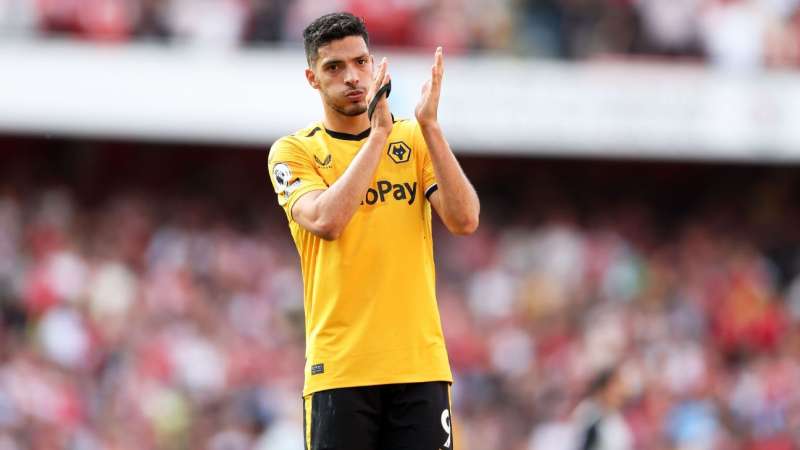
Raúl Jiménez has been playing at European club level since 2014, when Atlético Madrid signed him from Club América. His career since then has covered three clubs, a serious head injury that threatened to end his time at the top level, and a sustained return to consistent performance that has extended his Premier League presence into his early thirties.

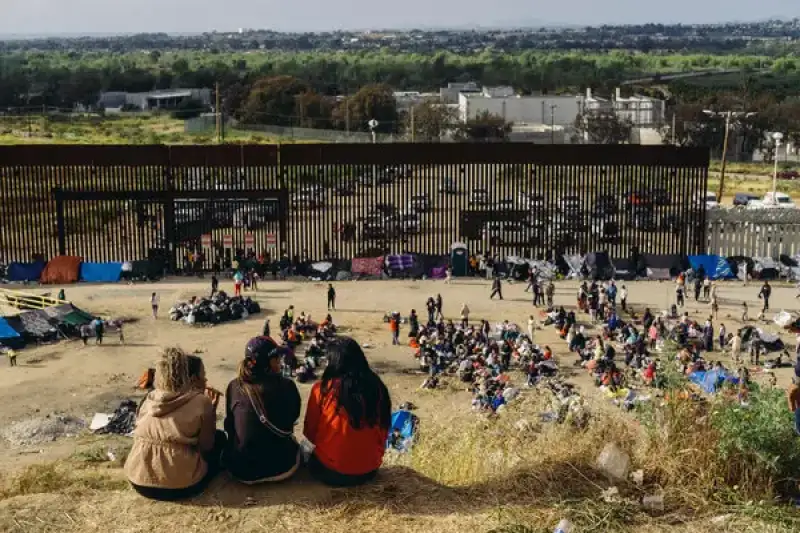
US Customs and Border Protection data shows a sharp decline in encounters at the southern border following Donald Trump's return to the presidency in January 2026. The decline began in the weeks before the inauguration as news of the incoming administration's enforcement posture spread among migrant populations and smuggling networks in Central America and Mexico.

The 2026 World Cup is not the first to face significant political complications in the lead-up to the tournament. Geopolitical tensions, conflicts, and diplomatic disputes have intersected with the World Cup repeatedly across its history. The specific form changes with each edition, but the underlying dynamic, a global sports event drawing participants from states in active political conflict with one another, is a recurring feature of the tournament.

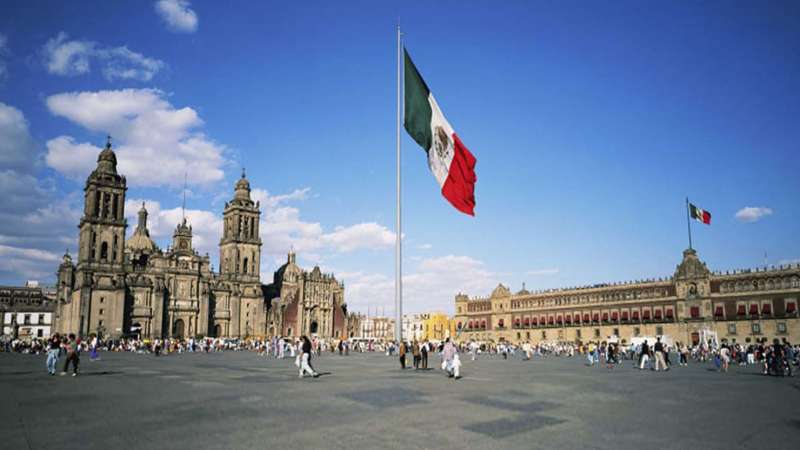
With approximately 100 days remaining before the opening match on June 11, the 2026 FIFA World Cup is navigating a set of challenges that extend beyond any single issue. The tournament is the largest in the event's history with 48 participating nations, up from 32 at the 2022 Qatar tournament. The expanded field creates additional logistical complexity at exactly the moment when several external pressures have converged.

The Iranian ambassador and embassy in Mexico City announced that Iran was negotiating with FIFA to move its three group-stage World Cup matches from the United States to Mexico. The request follows statements by US President Donald Trump discouraging Iran from attending the 48-nation tournament, citing safety concerns.

Mexico's foreign policy has been formally guided by the principle of non-intervention since the early twentieth century. The Estrada Doctrine, established in 1930, states that Mexico will not pass judgement on the internal affairs or governmental changes of other nations. This principle has been consistently cited across administrations to explain Mexico's abstention or neutrality in international military conflicts.

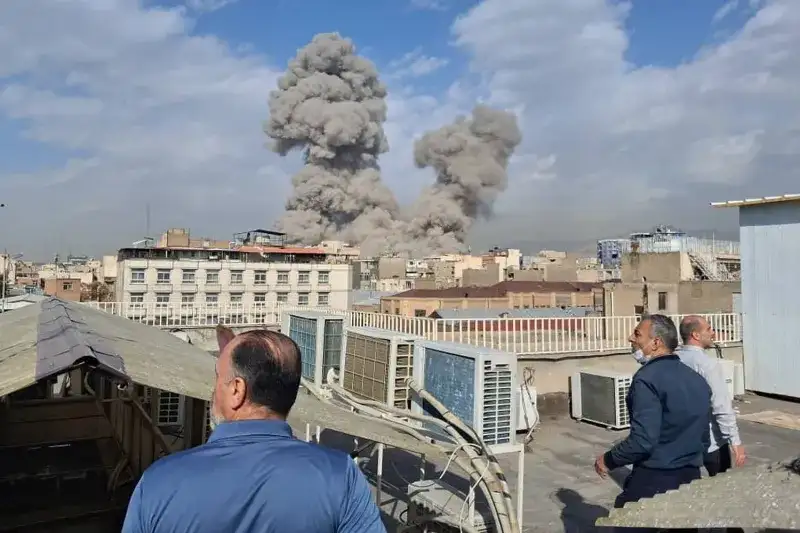
Dozens of people accused of sharing sensitive information with Israel have been arrested across several provinces in Iran, according to local media reports on Sunday. The arrests coincide with continued Israeli and US air strikes on targets inside the country. Reporting came from the semi-official Tasnim news agency and the Student News Network.

The conflict between the United States, Israel, and Iran that began on February 28 has created measurable economic consequences for Mexico. The most direct channel is oil prices. The closure of the Strait of Hormuz has pushed Brent crude to levels not seen in years. Mexico is not an oil importer at the domestic fuel level, but global price movements affect the cost of maintaining the government's gasoline price cap, the peso's exchange rate stability, and the country's export revenue from its own crude sales.

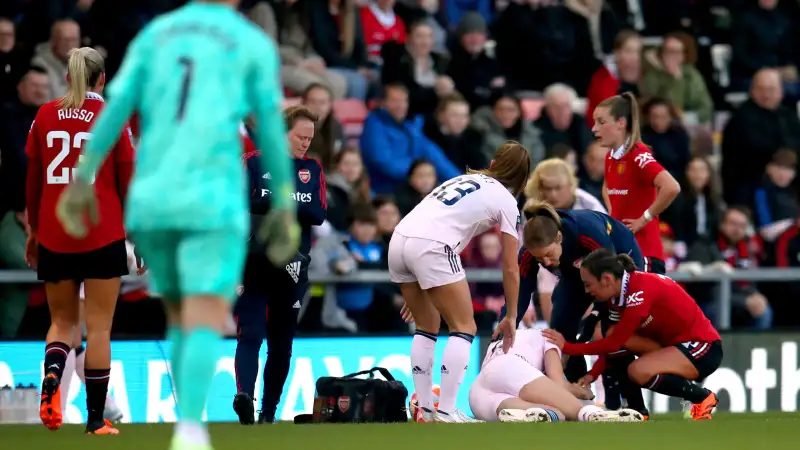
The anterior cruciate ligament is one of four main ligaments stabilising the knee joint. It connects the femur to the tibia and is critical for rotational stability and changes of direction. In football, it is among the most career-disruptive injuries a player can suffer, not because it is always permanent, but because the recovery timeline is incompatible with most major tournament schedules.

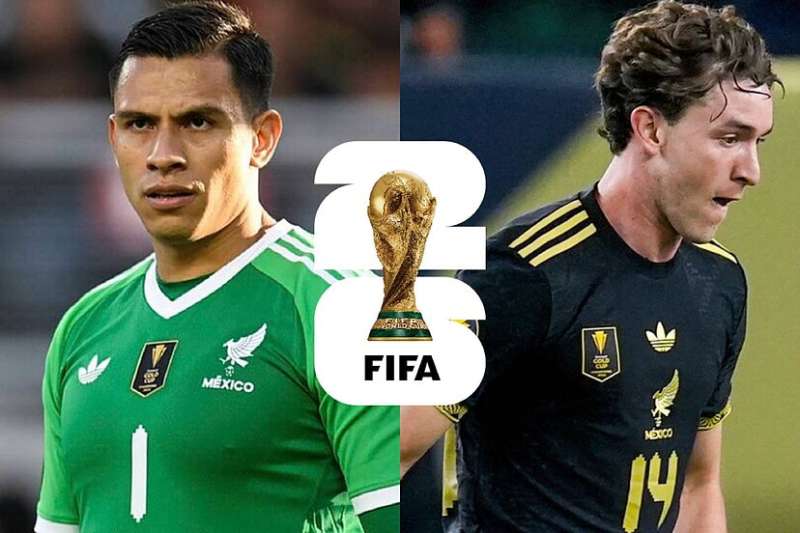
The losses of Marcel Ruiz and Luis Malagón are the most prominent injuries in Mexico's squad ahead of the 2026 World Cup. They are not the only ones. Mexico has had a string of player absences across different positions over recent months, creating a preparation period that has been repeatedly interrupted by medical setbacks.

More Articles …