





Puerto Vallarta and the broader Banderas Bay area are home to one of the largest concentrations of US citizens outside the United States in any single metropolitan area. The scale and composition of that community shape the city's economy, social infrastructure, and civic landscape across many sectors.
Scale and Composition of the Community
Estimates of the US citizen population in the Puerto Vallarta and Banderas Bay area commonly range between 30,000 and 50,000 permanent and semi-permanent residents. The seasonal population during the November-to-April period is significantly larger. Precise figures are difficult to establish. Many US citizens in Mexico do not hold formal residency documentation and are not captured accurately in standard census data.
The community divides broadly into three segments:
- Retirement-age residents who have relocated permanently or semi-permanently.
- Working-age professionals in remote employment or running local businesses.
- A seasonal population that maintains a second residence in the area.
Each segment has different civic engagement patterns, different connections to the US electoral process, and different relationships with local Mexican government and services.
The retirement segment tends to have more time for civic and community involvement. It forms the core membership of organisations like Democrats Abroad chapters, expatriate business groups, and community nonprofits. Remote workers and local business operators are more economically integrated into Puerto Vallarta's day-to-day commercial life. The seasonal population contributes significantly to real estate and hospitality demand but is less consistently present for civic programming.
The Infrastructure of Organised Civic Life
The US expatriate community in Puerto Vallarta supports a range of organised civic, social, and charitable structures. These include:
- Party-affiliated organisations such as Democrats Abroad and Republicans Abroad.
- Nonpartisan civic groups including the American Legion.
- English-language community media including the Vallarta Daily and other outlets.
- A substantial network of charitable organisations, of which Vallarta Cares is one example.
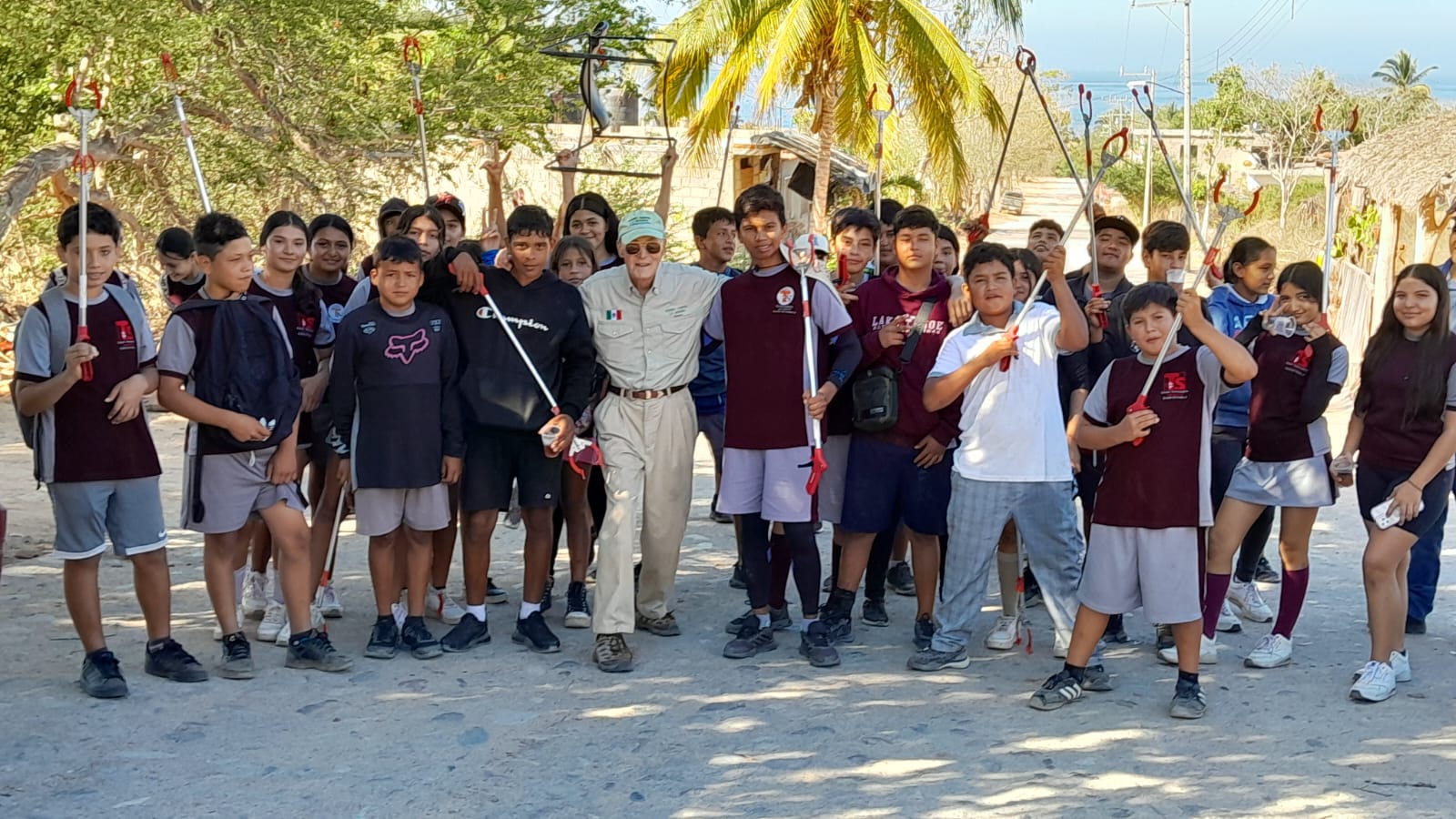
This infrastructure is denser and more formally organised than in most Mexican cities with smaller expatriate populations. Puerto Vallarta's US community has been growing and settling since roughly the 1970s and 1980s. Institutions have had time to develop, accumulate resources, and establish themselves as permanent parts of the local landscape.
How the Community Relates to Mexican Civic Life
US citizens living in Mexico can participate in certain aspects of local civic life, including neighbourhood associations and community organisations. They cannot vote in Mexican elections. Their civic engagement therefore runs on two parallel tracks: participation in Mexican community life through voluntary associations, and engagement with US political processes through overseas voting and party organisations.
The relationship between the two tracks is not always straightforward. Local political and social events occasionally create tension between residents who see civic engagement as geographically neutral and those who believe foreign residents should limit visible political expression on Mexican soil. The March 28 gathering by Democrats Abroad and Indivisible Abroad is an example of this. Organisers specifically note the focus on US policy and the importance of respecting local norms.
Frequently Asked Questions (FAQs)
Q: How large is the US citizen community in Puerto Vallarta?
A: Estimates commonly cite between 30,000 and 50,000 permanent and semi-permanent US citizens in the Puerto Vallarta and Banderas Bay area, with a significantly larger seasonal population during the November-to-April period. Precise figures are difficult to establish because many US citizens in Mexico do not hold formal residency documentation.
Q: What types of civic organisations serve the US community in Puerto Vallarta?
A: The US expatriate community supports party-affiliated organisations including Democrats Abroad and Republicans Abroad, nonpartisan civic groups like the American Legion, English-language community media outlets, and a substantial network of charitable organisations. The infrastructure is more formally organised than in most Mexican cities with smaller expatriate populations, reflecting several decades of community growth.
Q: Can US citizens living in Mexico vote in local Mexican elections?
A: No. US citizens residing in Mexico cannot vote in Mexican federal, state, or local elections unless they have acquired Mexican citizenship. They can participate in community life through voluntary associations and neighbourhood organisations, but their formal political participation remains tied to US elections through the overseas voting process.
Q: What are the different segments of the US citizen community in Banderas Bay?
A: The community broadly divides into retirement-age permanent and semi-permanent residents, working-age professionals in remote employment or local business, and a seasonal population maintaining a second residence in the area. Retirement-age residents tend to form the core of formal civic organisations like Democrats Abroad. Each segment has different civic engagement patterns and different relationships with the US political process.
Q: How long has there been a significant US expatriate community in Puerto Vallarta?
A: Puerto Vallarta's US citizen community has been growing since the 1970s and 1980s, following the city's rise as an international beach and retirement destination. The community's longevity means civic institutions have had time to develop, accumulate resources, and establish themselves as permanent parts of the local landscape.





 How to resolve AdBlock issue?