





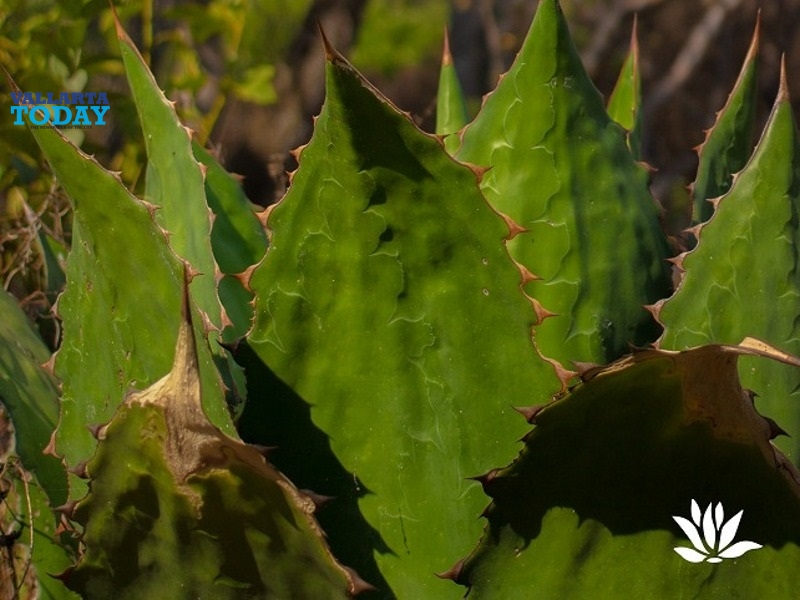
1.- Cultural heritage represented in agave spirituous
In general, we are informed and have heard or read about the different agave spirituous. We hear about movie and TV celebrities visiting and investing in Mexico in the tequila and mezcal industry. Myths and commercial legends surround the production of distilled beverages from different agaves, resulting in a variety that can be confusing: Raicilla, Mezcal, Tequila, Bacanora and so many others, from different regions of Mexico that conquer local and foreign palates, creating loyal consumers, experts and aficionados, from all over the world.]
It is important to know that behind the different beverages distilled from agave lies the expertise of master distillers acquired through many years of daily work. Empirical knowledge is applied to the peasant lifestyle, taking advantage of the natural resources and endemic plants of the Mesoamerican territory, such as agaves and sotoles, to produce distilled beverages. The construction of culture happens through the interaction between man and territory in a constant and changing process, in which the people build referents, values and symbols of identity, as strategies of action and knowledge in force in daily life.
The hunter-gatherer groups, settled in Arid and Mesoamerica, initiated, without knowing it, a long and fruitful history of humanization of a wide variety of plant species when, as a usual practice, they dug ovens in the earth to cook and consume agaves, sotoles and a variety of opuntias or prickly pear cactus. In the Apache, Rarámuri, Seri, Cora, Huichol, Nahuatl and Purépecha cultures of northwestern Mexico, these types of succulent plants were important foods. The importance of agaves for the pre-Hispanic peoples is shown by the existence of a word for it in each native language.
Currently, in traditional factories of distilled agave beverages, "intention in action" continues to be practiced, which is a style that brings together the techniques and tools used since archaic times, for example, the use of certain regional species of agaves and sotoles, or the materials of the environment used in the different stages of distillate production. These local practices in the production process of distilled agave beverages determine the historical taste of each region and are part of the local habitus, whether they are tequilas, mezcals, sotoles, raicillas or bacanoras. Habitus is the generating and unifying principle that reproduces the essence of work in the relationship with others, through practices, goods, people and communities, with their own style and property.
Author: PhD. Emma Lorena Iglesias Mancera. Social researcher at Mujeres del Mezcal y Maguey de México A.C. www.mujeresdelagave.com.mx







 How to resolve AdBlock issue?